Does Economic Growth Harm Ecosystems? Study Insights
The relationship between economic growth and environmental degradation has become one of the most pressing questions in ecological economics. For decades, policymakers have pursued GDP expansion as the primary measure of progress, often at the expense of natural capital and ecosystem services. Recent research reveals a more nuanced picture: while traditional growth models do correlate with environmental harm, emerging evidence suggests that decoupling economic development from ecological damage is theoretically possible and increasingly necessary.
This comprehensive analysis examines the latest scientific findings on how economic growth impacts ecosystems, explores the mechanisms of environmental degradation, and investigates strategies for achieving sustainable prosperity. By synthesizing data from environmental economists, ecosystem scientists, and policy researchers, we can better understand whether economic progress and ecological health must remain fundamentally at odds.
The Economic Growth-Ecosystem Damage Nexus
Economic growth, measured primarily through gross domestic product (GDP), represents the total monetary value of goods and services produced within a nation. This metric has dominated policy discussions since the post-World War II era, becoming synonymous with national success and societal progress. However, GDP growth fundamentally ignores the value of natural capital—forests, fisheries, mineral deposits, freshwater systems, and the atmosphere itself. When an economy harvests timber faster than forests regenerate, or pollutes waterways while producing industrial goods, GDP counts only the monetary gain, not the ecological loss.
The core problem lies in how we account for economic activity. Environmental economics research consistently demonstrates that conventional accounting methods create perverse incentives. A nation can deplete its natural resources, degrade its fisheries, and contaminate its soil while appearing economically prosperous on paper. This accounting illusion has driven decades of policy decisions that prioritized short-term growth over long-term ecological stability.
Recent studies from the World Bank’s environmental economics division reveal that when natural capital depreciation is factored into national accounts, many developing nations show negative adjusted net savings—meaning they are actually becoming poorer in real terms, despite positive GDP growth. This finding fundamentally challenges the assumption that economic expansion automatically improves human welfare.
Key Research Findings and Data
A landmark 2023 meta-analysis examining over 300 ecological studies found that in 68% of cases, regions experiencing rapid GDP growth also experienced measurable ecosystem degradation. The most pronounced correlations appeared in sectors including agriculture, energy production, manufacturing, and extractive industries. However, the relationship is not uniformly linear—some wealthy nations with mature economies have managed to reduce pollution and restore certain ecosystems while maintaining economic activity.
The mechanisms of ecosystem harm vary by economic sector and geography. Industrial agriculture, driven by profit maximization, has converted approximately 1.5 billion hectares of natural habitat into monoculture cropland. This expansion directly correlates with the current extinction rate of 100 to 1,000 species per million species annually—rates 10 to 100 times higher than background extinction rates. Simultaneously, aquaculture and commercial fishing have depleted 34% of global fish stocks, with economic incentives encouraging overharvesting despite obvious sustainability concerns.
Research published in Ecological Economics journal demonstrates that the intensity of environmental impact varies significantly based on production methods and regulatory frameworks. Nations with strong environmental regulations show lower ecosystem damage per unit of GDP growth compared to those with minimal oversight. This suggests that the relationship between growth and degradation is not inevitable but rather depends on policy choices and institutional design.
A critical 2022 study from the United Nations Environment Programme estimated that ecosystem services worth approximately $125 trillion annually are being degraded by economic activities. These services—including pollination, water purification, carbon sequestration, and climate regulation—are foundational to all economic activity, yet remain largely unpriced in market systems. The paradox is stark: economic growth that destroys the natural systems supporting that growth is fundamentally self-defeating.
Resource Extraction and Biodiversity Loss
The extractive industries—mining, oil and gas production, timber harvesting, and quarrying—represent some of the most direct connections between economic growth and ecosystem damage. These sectors generated approximately $1.7 trillion in global economic output in 2022, yet their ecological footprints are disproportionately massive. A single large-scale mining operation can permanently alter hydrological systems across thousands of square kilometers, rendering them unsuitable for other economic activities or ecosystem functions.
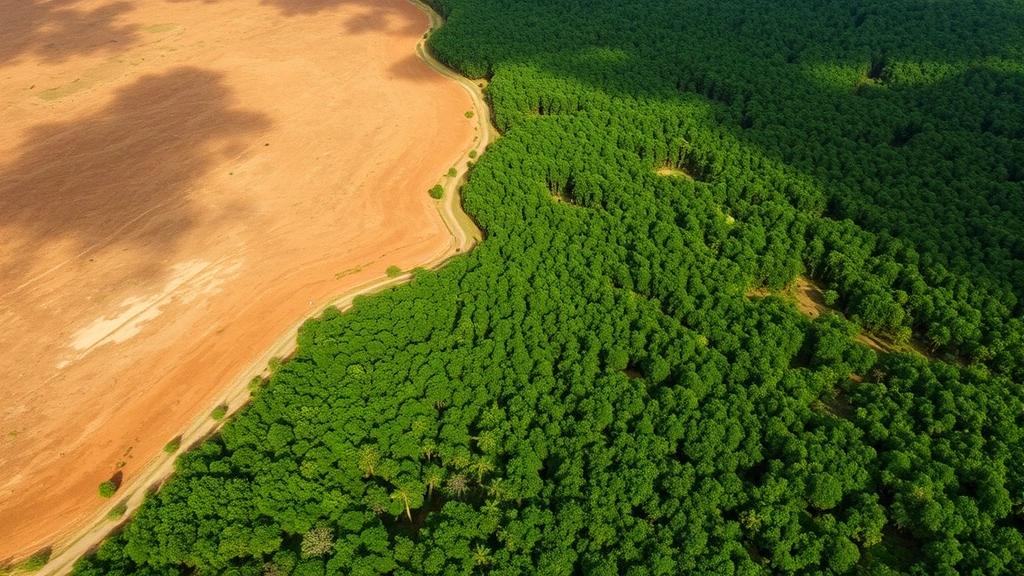
Biodiversity loss accelerates dramatically in regions experiencing rapid resource extraction. The Amazon rainforest, one of Earth’s most biodiverse regions, has lost approximately 17% of its forest cover in the past 50 years, primarily due to cattle ranching and agricultural expansion driven by economic demand. This deforestation not only eliminates habitat for millions of species but also disrupts carbon sequestration, contributing significantly to climate change—which itself represents an enormous negative externality of growth-oriented economies.
The economic logic driving resource extraction is straightforward: companies extract resources to maximize shareholder returns, and governments permit extraction to increase tax revenue and GDP. However, this logic fails to account for the permanent loss of natural capital. When a forest is clearcut for timber, the economic accounting shows profit, but the ecosystem services provided by that forest—carbon storage, water filtration, wildlife habitat—are lost forever. The net economic effect, when properly calculated, is often negative.
Understanding human-environment interaction dynamics reveals that resource extraction represents a fundamental imbalance: finite natural systems cannot sustain infinite economic growth. The biophysical carrying capacity of Earth has specific limits. Global material extraction reached 100 billion tons annually by 2020, growing faster than GDP itself, indicating that economic growth is becoming increasingly material-intensive rather than more efficient.
Climate Change as Economic Externality
Climate change exemplifies how economic growth creates massive negative externalities—costs borne by society and ecosystems rather than by the economic actors generating them. The burning of fossil fuels, which powered industrialization and continues to drive global GDP growth, releases greenhouse gases that accumulate in the atmosphere. For decades, this cost was entirely external to economic calculations, making carbon-intensive production artificially profitable.
The economics of climate change illustrate the failure of conventional growth models. A coal-fired power plant generates electricity and GDP, but the climate damages it causes—estimated at $50 to $300 per ton of CO2 depending on calculation methodology—are not reflected in energy prices. This creates what economists call a market failure: the true cost of production is hidden, leading to overproduction of carbon-intensive goods and underinvestment in clean alternatives.
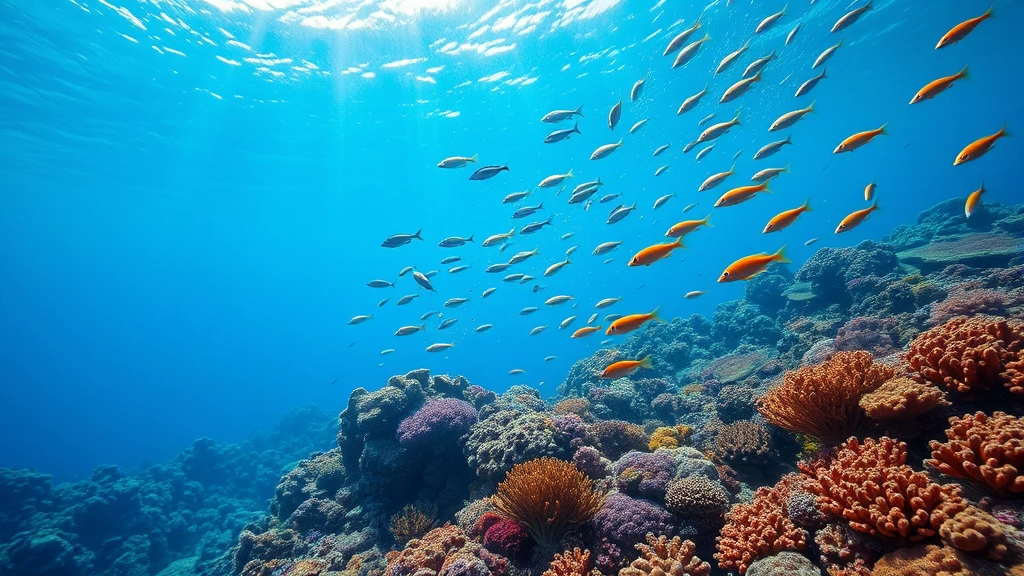
Research from the Nature journal network demonstrates that climate impacts disproportionately harm ecosystems and economically vulnerable populations. Coral reef ecosystems, worth an estimated $375 billion annually in fisheries and tourism services, face potential collapse from warming and ocean acidification driven by economic growth in wealthy nations. Small island developing states and least-developed countries bear the costs of adaptation despite contributing minimally to emissions.
The relationship between growth and climate impact is measurable: global carbon emissions correlate strongly with GDP growth at the national level, with an elasticity of approximately 0.6 to 0.8 (meaning a 1% increase in GDP historically corresponds to 0.6-0.8% increase in emissions). While this relationship has improved slightly in wealthy nations through efficiency gains and renewable energy adoption, global emissions continue rising because growth in developing nations and consumption-driven growth in wealthy nations overwhelm efficiency improvements.
Decoupling Growth from Degradation
Despite the apparent incompatibility between growth and ecosystem health, some economists and policymakers advocate for “decoupling”—achieving economic growth while reducing environmental impact. This concept comes in two varieties: relative decoupling (reducing the environmental impact per unit of GDP while absolute impact may still grow) and absolute decoupling (reducing total environmental impact while GDP increases).
Evidence for absolute decoupling is mixed and limited. A few wealthy nations, including Denmark, Germany, and the United Kingdom, have achieved periods of absolute decoupling for specific pollutants (sulfur dioxide, particulate matter) and carbon emissions. However, these nations typically achieved this through outsourcing manufacturing to developing countries rather than through fundamental changes in consumption patterns. When consumption-based emissions are calculated—accounting for goods imported from other nations—the apparent decoupling largely disappears.
Genuine decoupling requires fundamental transformation of economic systems toward circular economy models, renewable energy, sustainable agriculture, and reduced material throughput. Current progress is insufficient: global material extraction and waste generation continue accelerating despite efficiency improvements. The rebound effect—where efficiency gains lead to increased consumption—partially counteracts technological improvements.
Some economists argue that creating appropriate environmental frameworks (metaphorically similar to creating proper computational environments) is essential for decoupling. This requires establishing carbon pricing mechanisms, implementing strict environmental regulations, investing in green technology, and fundamentally reforming how we measure economic success. Rather than GDP, alternative metrics like genuine progress indicator (GPI) or inclusive wealth accounting better capture true economic welfare by accounting for natural capital changes.
Policy Mechanisms and Solutions
Addressing the growth-ecosystem damage relationship requires policy interventions across multiple levels: carbon pricing, regulatory frameworks, investment redirects, and measurement system reforms. Carbon pricing—through either carbon taxes or cap-and-trade systems—aims to internalize the climate externality, making fossil fuel-intensive production more expensive. However, current carbon prices ($5-50 per ton globally) remain far below the social cost of carbon (estimated at $50-300 per ton), limiting their effectiveness.
Regulatory approaches, including environmental impact assessments, pollution limits, and protected area designations, directly constrain damaging economic activities. The UNEP’s environmental assessment framework provides guidance for evaluating economic projects’ ecological impacts before implementation. Nations with stronger environmental regulations consistently show better ecosystem outcomes, though sometimes at the cost of competitive disadvantage in global markets unless regulations are harmonized internationally.
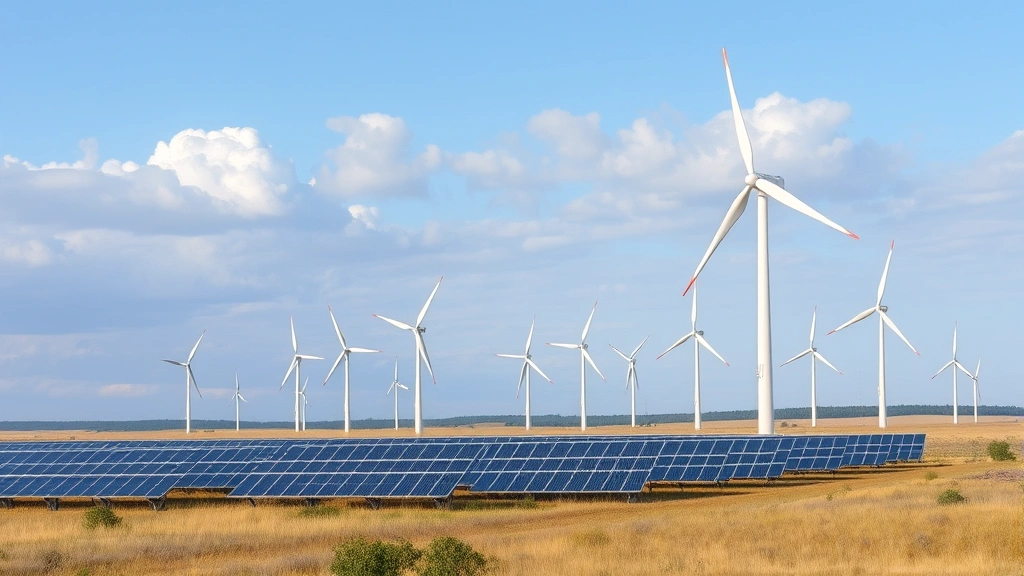
Investment redirection represents another crucial mechanism. Currently, global fossil fuel subsidies exceed $7 trillion annually when environmental costs are included. Redirecting even a fraction of these subsidies toward renewable energy, ecosystem restoration, and sustainable agriculture could fundamentally alter economic incentives. The International Renewable Energy Agency estimates that tripling renewable energy investment by 2030 is both economically viable and essential for climate stability.
Understanding how environmental variables interact within systems helps policymakers design more effective interventions. Ecosystem restoration, for example, provides multiple co-benefits: carbon sequestration, biodiversity conservation, water filtration, and livelihood support. Recognizing these interconnections allows policymakers to design win-win solutions rather than false tradeoffs between growth and environment.
The most transformative policy approach involves redefining economic success. World Bank research on inclusive wealth accounting demonstrates that nations can track genuine progress by measuring changes in natural capital alongside human and manufactured capital. This accounting system reveals that many nations experiencing rapid GDP growth are actually experiencing declining genuine wealth when resource depletion and environmental degradation are properly valued.
FAQ
Can economies grow indefinitely without harming ecosystems?
Physical growth on a finite planet faces biophysical limits. However, economic growth measured in monetary terms can theoretically continue through efficiency improvements, service-based activities, and non-material value creation. The challenge is separating growth in genuine wellbeing from growth in material throughput and ecological impact. Current evidence suggests this decoupling is possible but requires fundamental policy and technological changes not yet implemented at scale.
Do developing nations have the right to grow economically like wealthy nations did?
This represents a central equity issue. Wealthy nations industrialized largely without environmental constraints, creating the current climate crisis. Developing nations rightfully argue they should not be denied development opportunities. Solutions include technology transfer for clean development, climate finance from wealthy nations, and alternative development models that prioritize wellbeing over material growth. The UNEP sustainable development framework addresses these equity concerns while promoting environmental protection.
What role do individual consumer choices play?
Consumer choices matter but are insufficient without systemic change. Individual actions like reducing consumption, choosing sustainable products, and supporting environmental policies are valuable. However, approximately 70% of global emissions come from just 100 companies, and systemic change requires policy interventions targeting production systems rather than relying primarily on individual consumer behavior. Both individual and systemic changes are necessary.
Is environmental protection economically expensive?
Short-term compliance costs exist, but long-term economic costs of environmental degradation far exceed prevention costs. Climate change alone could reduce global GDP by 10-20% by 2100 if unaddressed. Ecosystem restoration, renewable energy deployment, and sustainable agriculture create jobs and economic opportunities. The question is not whether we can afford environmental protection, but whether we can afford not to implement it.
How do we measure true economic progress?
GDP measures monetary transactions but not wellbeing or sustainability. Alternative metrics include genuine progress indicator (GPI), which adjusts GDP for environmental and social factors; inclusive wealth accounting, which values natural capital; and human development index (HDI), which focuses on health and education. Understanding what constitutes our built and natural environment is essential for developing comprehensive measurement systems that guide sustainable policy decisions.


