Decoding Codon Charts: Essential for Biologists and Living Environment Science
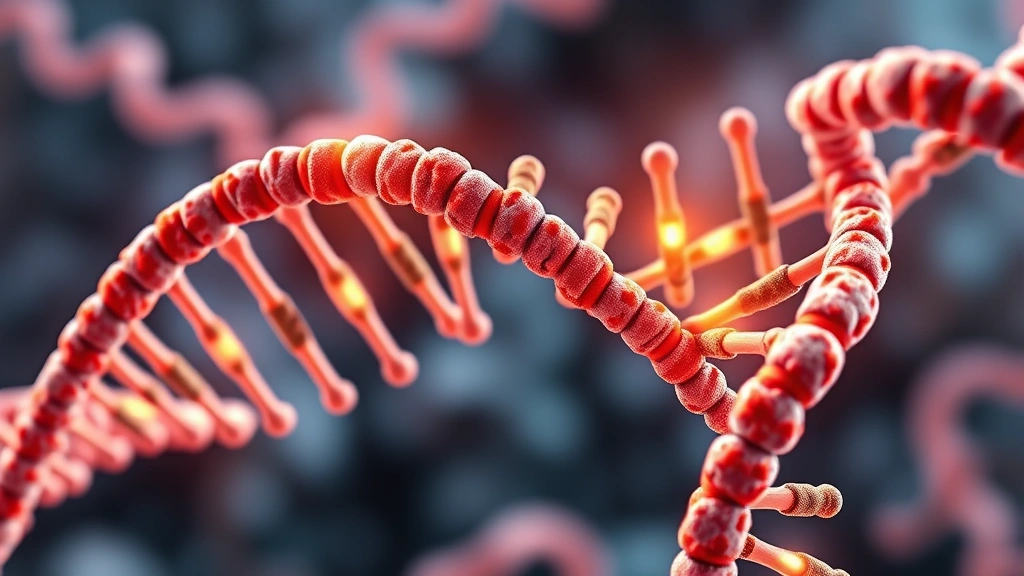
The genetic code represents one of biology’s most fundamental discoveries, serving as the universal instruction manual for life itself. At the heart of this molecular language lies the codon chart, a critical tool that translates the four-letter DNA alphabet into the twenty amino acids that build every protein in every living organism. For biologists, environmental scientists, and students studying the definition of environment in science, understanding codon charts is not merely an academic exercise—it represents essential knowledge for comprehending how organisms function, adapt, and interact within their ecosystems.
The living environment operates through countless biochemical processes, each orchestrated by proteins synthesized according to instructions encoded in DNA. When we examine types of environment and their biodiversity, we’re ultimately looking at the expression of genetic information translated through the codon system. This article explores the mechanics, applications, and significance of codon charts in modern biology and ecological research.

Understanding the Genetic Code and Codon Basics
A codon is a sequence of three nucleotides—the building blocks of DNA and RNA—that specifies which amino acid should be added during protein synthesis. The genetic code consists of 64 possible codons, derived from the four nucleotide bases: adenine (A), guanine (G), cytosine (C), and thymine (T) in DNA, or uracil (U) instead of thymine in RNA. With four bases and three-position combinations, mathematicians calculated that 4³ = 64 different codon possibilities would exist.
Of these 64 codons, 61 encode the 20 standard amino acids found in proteins, while three serve as stop signals that terminate protein synthesis. This means the genetic code is degenerate—multiple codons can code for the same amino acid, providing a buffer against certain mutations. The universal nature of the genetic code across nearly all organisms demonstrates the common evolutionary origin of all life on Earth, a principle fundamental to understanding human environment interaction definition and how species share molecular machinery.
The process of translation—converting genetic information into proteins—begins when messenger RNA (mRNA) carries the genetic instructions from DNA to the ribosome. Transfer RNA (tRNA) molecules, each carrying a specific amino acid, recognize codons through complementary base pairing with their anticodons. This elegant system ensures proteins are synthesized with precise amino acid sequences, maintaining the structural and functional integrity necessary for life.
The Structure and Organization of Codon Charts
A standard codon chart, also called the genetic code table or codon table, is organized in a grid format that simplifies the process of identifying which amino acid corresponds to any given codon. The chart typically uses the first position nucleotide as rows, the second position as columns, and the third position as sub-categories within each cell. This organization reflects the chemical logic of the genetic code, where the first two positions determine the amino acid family, while the third position allows for variation.
Most codon charts display the mRNA codons rather than DNA sequences, since translation occurs using mRNA. Each cell in the chart contains the three-letter abbreviation and one-letter code for the amino acid, along with the corresponding codon sequence. For example, the codon AUG serves a dual function: it codes for methionine and also functions as the start codon that initiates protein synthesis in most organisms.
The organization of codon charts reveals the chemical logic underlying the genetic code. Codons in the same family—those sharing the same first two nucleotides—typically code for amino acids with similar chemical properties. This arrangement provides protection against mutations; if the third nucleotide changes, the resulting amino acid often has similar properties to the original, minimizing the impact on protein function. Understanding this structure helps biologists predict how mutations might affect organisms within their living environment.
Modern codon charts also include information about codon usage frequencies in different organisms. Some organisms prefer certain codons over others for the same amino acid, a phenomenon called codon bias. This preference affects the efficiency of protein synthesis and represents an important adaptation to an organism’s genetic machinery and environmental conditions.
How to Read and Interpret a Codon Chart
Reading a codon chart requires understanding its specific layout convention. Most charts follow the standard format where you locate the first nucleotide in the left column, find the second nucleotide across the top row, and then identify the third nucleotide within that cell. This three-step process reveals the corresponding amino acid.
For example, to find the amino acid for codon GCU: locate G in the first position row, C in the second position column, and U in the third position within that cell. The intersection reveals that GCU codes for alanine (Ala, A). This systematic approach ensures accuracy when translating genetic sequences.
Biologists frequently use codon charts when sequencing genes, designing primers for PCR experiments, or predicting protein structures from genetic data. Researchers studying recent discoveries in ecological research often need to analyze genetic sequences from various organisms, making codon chart literacy essential for modern biology.
When working with actual DNA or RNA sequences, scientists must remember the directional nature of nucleic acids. DNA and RNA sequences are conventionally written in the 5′ to 3′ direction, and codons are read in this direction during translation. Mistakes in direction can lead to completely different amino acid sequences and misinterpretation of genetic information.
Degeneracy and Wobble Base Pairing
The degeneracy of the genetic code—the fact that multiple codons encode the same amino acid—provides organisms with remarkable flexibility and protection against mutations. This redundancy is not random; it follows a pattern that reflects the evolutionary history of the genetic code and the chemical properties of amino acids.
Francis Crick’s wobble hypothesis explains how one tRNA molecule can recognize multiple codons. The third position of the codon shows the most flexibility in base pairing, allowing non-standard interactions between the codon’s third nucleotide and the tRNA’s first anticodon position. This wobble pairing means organisms don’t need 61 different tRNAs for the 61 sense codons; typically, 30-40 different tRNAs suffice.
This degeneracy has profound implications for evolution and adaptation. Silent mutations—changes in DNA that don’t alter the amino acid sequence—often occur in the third codon position. These mutations accumulate over time, creating genetic variation that doesn’t affect protein function but provides material for evolutionary processes. Understanding how organisms adapt through genetic variation is crucial for comprehending human environment interactions and species survival in changing ecosystems.
The wobble position also explains why certain mutations have minimal effects on organisms while others prove catastrophic. A mutation changing the third nucleotide might have no effect if it codes for the same amino acid. However, mutations in the first or second positions often produce different amino acids, potentially disrupting protein function and affecting organism survival.
Codon Usage and Evolutionary Biology
Although the genetic code is universal, different organisms exhibit distinct codon preferences—a phenomenon called codon bias. This preference reflects each organism’s evolutionary history, the abundance of different tRNA molecules, and optimization for efficient protein synthesis in their specific environmental conditions.
Organisms living in extreme environments—such as thermophilic bacteria in hot springs or psychrophilic organisms in polar regions—show codon biases that optimize for their specific conditions. These adaptations enhance translation efficiency and protein stability in their particular ecological niches. For instance, organisms with high GC content in their DNA show different codon preferences than those with high AT content, reflecting adaptation to their specific environmental types.
Codon usage patterns serve as molecular signatures of organisms, allowing scientists to identify the origin of DNA sequences and detect horizontal gene transfer between species. When a gene from one organism appears in another, its codon usage pattern often differs from the host organism’s typical pattern, revealing its foreign origin. This technique has proven invaluable in studying microbial ecology and understanding how organisms share genetic material across species boundaries.
The study of codon usage also provides insights into translation efficiency and gene expression regulation. Highly expressed genes often show stronger codon bias toward codons corresponding to abundant tRNAs, ensuring rapid and efficient protein synthesis. This relationship between codon usage and gene expression represents an important layer of genetic regulation that extends beyond the simple DNA sequence.
Applications in Biotechnology and Medicine
Codon charts have become indispensable tools in modern biotechnology and medical research. When scientists design new genes or modify existing ones through synthetic biology, they must consider codon optimization to ensure efficient expression in target organisms. A gene optimized for expression in bacteria might not express well in human cells due to differences in codon preferences and available tRNAs.
In CRISPR gene editing and other genetic engineering applications, understanding the genetic code proves essential for predicting how mutations will affect proteins. Scientists use codon charts to identify potential off-target effects and to design guide RNAs that minimize unintended genetic changes. This precision is critical when developing treatments for genetic diseases, as even small alterations in protein sequences can have significant health consequences.
Pharmaceutical development increasingly relies on understanding codon usage and genetic variation. Different populations show genetic variations that affect drug metabolism, a field called pharmacogenomics. By analyzing codon variations in genes encoding drug-metabolizing enzymes, researchers can predict individual drug responses and optimize treatments for specific populations.
Vaccine development represents another crucial application area. Researchers designing mRNA vaccines must optimize codon usage to enhance protein expression and immune response. The COVID-19 pandemic demonstrated the importance of this knowledge, as scientists rapidly developed effective vaccines by carefully selecting codons to maximize immune system activation while minimizing potential adverse effects.
Codon Charts in Environmental and Ecological Research
Environmental and ecological research increasingly incorporates genetic analysis, making codon chart literacy essential for modern biologists studying environmental science. When researchers sequence environmental DNA from soil, water, or air samples, they analyze genetic sequences from thousands of organisms simultaneously, a field called metagenomics.
Codon usage patterns help identify which organisms contributed to environmental samples and how they’ve adapted to specific ecological conditions. Different microbial communities show distinct codon preferences reflecting their metabolic capabilities and environmental pressures. By analyzing these patterns, scientists can infer functional capabilities of microbial communities without culturing individual organisms, a major advance in understanding ecosystem functioning.
Climate change research benefits from codon analysis as scientists study how organisms adapt genetically to changing environmental conditions. Populations experiencing rapid environmental change show altered allele frequencies and codon usage patterns, indicating ongoing adaptation. Understanding these molecular changes provides early warning of how species might respond to future climate shifts.
Biodiversity assessment increasingly relies on DNA barcoding and metabarcoding, techniques that depend on understanding genetic variation and codon usage. By analyzing short genetic sequences, researchers can identify species and assess ecosystem health without traditional morphological identification. This approach has revolutionized our ability to monitor environmental types and their biodiversity.
Common Misconceptions About Codons
Despite the codon chart’s importance, several misconceptions persist among students and researchers. One widespread misunderstanding assumes that the genetic code is identical across all organisms. While the code is remarkably universal, some organisms use slightly different code variations, particularly in mitochondria and certain microorganisms. These variations, called variant genetic codes, occur in organisms like ciliated protozoans and some Candida species, demonstrating that the genetic code evolved and can continue evolving.
Another common misconception treats codons as independent units unaffected by surrounding sequences. In reality, translation involves complex interactions between codons, tRNAs, ribosomal proteins, and regulatory factors. Context effects influence translation efficiency, and certain codon sequences create ribosomal stalls that regulate gene expression. Understanding these context-dependent effects requires looking beyond simple codon charts to appreciate the complexity of actual translation processes.
Many students believe that understanding codon charts provides complete knowledge of how genes determine protein structure and function. However, the genetic code represents just one layer of genetic regulation. Post-translational modifications, protein folding, subcellular localization, and protein-protein interactions all influence final protein function. Additionally, epigenetic modifications affect gene expression without changing DNA sequences, adding further complexity to the relationship between genotype and phenotype.
Some researchers underestimate the importance of codon bias, treating all synonymous codons as functionally equivalent. This misconception can lead to suboptimal gene design in biotechnology applications. Codon choice significantly affects translation speed, accuracy, and protein folding, making codon optimization a crucial step in synthetic biology and genetic engineering projects.
Understanding codon charts within broader contexts of genetic regulation, evolution, and ecological adaptation ensures that biologists can effectively apply this knowledge to real-world research questions across multiple disciplines.
FAQ
What is a codon chart and why do biologists need it?
A codon chart is a reference table showing which amino acids correspond to specific three-nucleotide sequences in DNA or RNA. Biologists use it to translate genetic sequences into protein structures, predict how mutations affect organisms, and design optimized genes for biotechnology applications. It’s essential for anyone working with genetic information in research, medicine, or environmental science.
How many codons are there and what do they all mean?
There are 64 possible codons formed from combinations of four nucleotide bases. Sixty-one of these code for the 20 standard amino acids found in proteins, while three serve as stop signals terminating protein synthesis. Because multiple codons encode the same amino acid, the genetic code is described as degenerate, providing protection against certain mutations.
Why do different organisms have different codon preferences?
Codon bias reflects each organism’s evolutionary history, available tRNA molecules, and adaptation to specific environmental conditions. Organisms optimize codon usage for efficient protein synthesis in their particular ecological niches. This molecular adaptation helps organisms thrive in extreme environments or under specific metabolic demands.
Can the genetic code change between organisms?
While the genetic code is remarkably universal across life, variant genetic codes exist in some organisms, particularly in mitochondria and certain microorganisms like ciliated protozoans. These variations demonstrate that the genetic code, though highly conserved, can evolve under specific circumstances.
How does understanding codons help with gene editing?
Codon knowledge enables scientists to predict how mutations affect proteins, design guide RNAs for CRISPR editing that minimize off-target effects, and optimize genes for expression in specific organisms. This understanding is crucial for developing effective genetic treatments and creating useful biotechnology tools.
What’s the relationship between codon usage and gene expression?
Genes using codons that match abundant cellular tRNAs translate more rapidly and efficiently. Highly expressed genes typically show stronger codon bias toward these preferred codons, representing a layer of gene expression regulation. Codon optimization can dramatically enhance or suppress gene expression depending on specific applications.
How do environmental factors influence codon usage?
Organisms adapted to specific environments show codon preferences reflecting their metabolic capabilities and environmental pressures. Temperature, nutrient availability, and other environmental factors select for codon patterns that optimize protein synthesis and stability. Analyzing codon usage patterns helps scientists understand how organisms adapt to their environmental contexts at the molecular level.


