
Green Careers: Boost Economy & Ecosystems, Expert Guide
The global economy stands at a critical juncture where environmental sustainability and economic growth are no longer opposing forces—they are becoming increasingly interdependent. Green careers represent one of the most dynamic and fastest-growing employment sectors, offering professionals the opportunity to generate meaningful income while actively contributing to ecosystem restoration and climate stability. According to the International Labour Organization, the transition to a sustainable economy could generate 24 million new jobs globally by 2030, fundamentally reshaping labor markets across every continent.
This comprehensive guide explores how careers that help the environment create synergistic benefits for both economic systems and natural systems. By understanding the intersection of ecological economics, labor markets, and environmental policy, professionals can identify lucrative pathways that align personal career aspirations with planetary health imperatives.
Understanding Green Economy Fundamentals
The green economy represents a paradigm shift in how we measure value, productivity, and prosperity. Rather than extracting maximum resources from ecosystems, green economic models incorporate natural capital accounting, ecosystem services valuation, and long-term environmental resilience into business and employment structures. The World Bank’s environmental economics division emphasizes that sustainable employment creates multiplier effects throughout supply chains, generating secondary jobs in manufacturing, transportation, installation, and maintenance sectors.
The distinction between traditional and green careers lies in their relationship with natural systems. Traditional employment often externalizes environmental costs—pushing pollution, resource depletion, and ecosystem degradation onto communities and future generations. Green careers, conversely, internalize these costs through regenerative practices, circular economy principles, and restoration-focused objectives. Understanding human-environment interaction becomes essential for professionals seeking to navigate this transition.
Ecological economics—the interdisciplinary field studying the relationship between economic systems and ecosystems—provides theoretical frameworks for green career development. Unlike neoclassical economics, which treats nature as an infinite resource, ecological economics recognizes biophysical limits, acknowledges that the economy is embedded within the ecosystem, and prioritizes long-term sustainability over short-term extraction. This philosophical foundation underpins virtually every green career path.
Renewable Energy Sector Careers
The renewable energy sector represents the largest employment category within green economies globally. Solar photovoltaic installers, wind turbine technicians, energy engineers, and grid modernization specialists command competitive salaries while directly reducing carbon emissions and fossil fuel dependence. The International Renewable Energy Agency projects that renewable energy employment could reach 42 million jobs by 2050, compared to 12.7 million in 2021.
Career pathways in renewable energy span technical, managerial, and entrepreneurial domains:
- Solar Installation Specialists: Design and install photovoltaic systems for residential, commercial, and utility-scale applications. Median salaries exceed $50,000 annually with strong job growth in regions implementing renewable energy targets.
- Wind Energy Engineers: Develop turbine designs, assess wind resources, and optimize energy production. Advanced positions in research and development offer six-figure compensation packages.
- Energy Storage Technicians: Maintain battery systems, thermal storage facilities, and emerging storage technologies crucial for grid stability and renewable integration.
- Grid Modernization Specialists: Upgrade electrical infrastructure to accommodate distributed renewable generation, improve efficiency, and enhance resilience.
- Renewable Energy Project Managers: Oversee development from site assessment through commissioning, requiring business acumen alongside environmental knowledge.
The economic multiplier effect of renewable energy employment is substantial. Every dollar invested in renewable energy creates approximately 1.5 dollars in additional economic activity through equipment manufacturing, transportation, construction, and ongoing operations and maintenance.
Conservation and Restoration Professionals
Conservation careers directly address ecosystem degradation through habitat restoration, species protection, and landscape-scale management. These positions blend field research, data analysis, policy implementation, and community engagement. Practical approaches to environmental protection increasingly incorporate professional expertise in restoration ecology, wildlife management, and ecosystem services valuation.
Key conservation career paths include:
- Restoration Ecologists: Design and implement ecosystem recovery projects, from wetland restoration to forest regeneration. Positions with government agencies, nonprofits, and private conservation organizations offer salaries ranging from $45,000 to $85,000 depending on experience and location.
- Wildlife Biologists: Monitor species populations, assess habitat quality, and develop management strategies. Research-focused positions often require advanced degrees but offer intellectual engagement and publication opportunities.
- GIS Specialists and Environmental Data Analysts: Utilize geospatial technologies to map ecosystems, track environmental changes, and inform conservation strategies. These technical roles command premium salaries ($55,000–$95,000) due to high demand and specialized skill requirements.
- Conservation Program Directors: Lead organizational initiatives addressing specific environmental challenges—from marine protection to rainforest conservation. Leadership positions offer meaningful impact alongside competitive compensation.
- Environmental Educators and Naturalists: Build public understanding and support for conservation through interpretive programs, guided experiences, and community outreach.
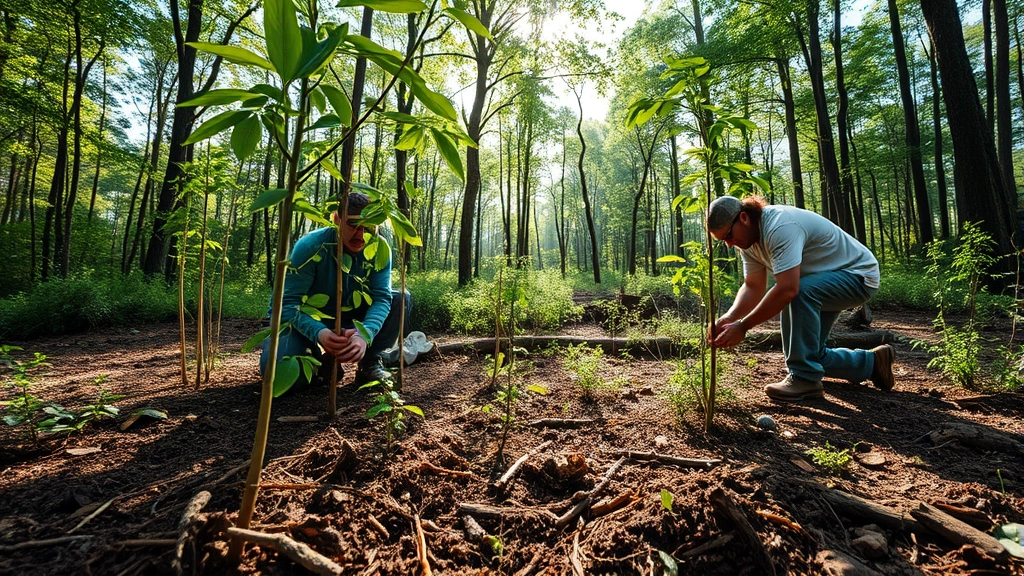
The economic case for conservation employment strengthens as ecosystem services valuation becomes more sophisticated. Research from ecological economics demonstrates that protecting forests, wetlands, and coastal ecosystems generates greater economic value through carbon sequestration, water purification, flood prevention, and biodiversity maintenance than extractive alternatives.
Sustainable Agriculture and Food Systems
Agricultural transformation toward sustainability represents one of the most consequential economic transitions underway globally. Sustainable agriculture professionals redesign food production systems to enhance soil health, reduce chemical inputs, improve farmer livelihoods, and strengthen ecosystem resilience. This sector encompasses diverse career opportunities spanning farm management, technology development, supply chain optimization, and policy advocacy.
Sustainable agriculture careers include:
- Regenerative Agriculture Consultants: Advise farmers on transitioning to practices that build soil organic matter, increase biodiversity, and improve water retention. Growing demand from major food corporations seeking sustainable sourcing creates robust employment opportunities.
- Agroforestry Specialists: Design integrated systems combining trees with crops or livestock, providing economic diversification, carbon sequestration, and ecosystem services.
- Organic Certification and Compliance Specialists: Ensure farms meet organic standards, manage documentation, and facilitate market access. Certification bodies and agricultural organizations employ professionals in these roles.
- Farm-to-Table Supply Chain Managers: Build direct relationships between producers and consumers, reducing transportation emissions while improving farmer compensation and food quality.
- Agricultural Technology Developers: Create precision agriculture tools, soil health monitoring systems, and water-efficient irrigation technologies that enhance productivity while reducing environmental impact.
- Food Systems Researchers: Investigate agricultural practices, nutritional outcomes, and environmental impacts through academic and nonprofit institutions.
Sustainable agriculture employment directly addresses environment and society intersections, as food production represents humanity’s largest land use and primary driver of biodiversity loss and freshwater depletion. Professionals in this sector simultaneously improve ecosystem health and strengthen agricultural resilience to climate change.
Environmental Technology and Innovation
Green technology careers represent the fastest-growing segment within the green economy, driven by venture capital investment, government incentives, and escalating demand for climate solutions. Environmental technologists develop, deploy, and optimize technologies addressing pollution, resource efficiency, waste management, and ecosystem monitoring.
Emerging technology career paths include:
- Carbon Capture Engineers: Design and operate direct air capture systems, point-source carbon capture technologies, and carbon utilization applications. This nascent sector offers competitive salaries and significant growth potential.
- Circular Economy Designers: Redesign products and supply chains to eliminate waste through material recovery, remanufacturing, and closed-loop production systems.
- Environmental Sensors and IoT Specialists: Develop monitoring systems for air quality, water quality, soil health, and wildlife populations, generating real-time environmental data.
- Sustainable Materials Scientists: Create bio-based, recyclable, or compostable alternatives to conventional materials, reducing extraction pressure and end-of-life waste.
- Water Treatment Technologists: Design and operate systems removing contaminants, recovering valuable materials, and treating wastewater for safe discharge or reuse.
- Waste Management and Recycling Innovators: Optimize collection, sorting, and processing systems to maximize material recovery and minimize landfill dependence.
Technology-focused green careers typically offer higher compensation than traditional environmental positions, with software developers, engineers, and data scientists earning $70,000–$150,000+ annually depending on specialization and location. The United Nations Environment Programme identifies environmental technology innovation as critical for achieving climate and biodiversity targets while creating economic opportunity.
Policy and Governance Roles
Environmental policy professionals shape the regulatory frameworks, incentive structures, and international agreements that enable or constrain green economic development. These careers require strong analytical capabilities, political acumen, and understanding of both environmental science and economic systems.
Policy career opportunities include:
- Environmental Policy Analysts: Evaluate proposed regulations, assess implementation feasibility, and model economic and environmental outcomes. Government agencies, think tanks, and advocacy organizations employ policy professionals.
- Climate Policy Specialists: Design carbon pricing mechanisms, renewable energy standards, building efficiency codes, and transportation electrification programs.
- International Environmental Negotiators: Participate in multilateral climate and biodiversity agreements, representing national interests while advancing global environmental objectives.
- Environmental Compliance Officers: Ensure organizations meet environmental regulations, manage permits, and implement pollution prevention strategies.
- Sustainable Finance Professionals: Structure green bonds, environmental impact investments, and sustainable business models that align financial returns with environmental outcomes.
- Environmental Justice Advocates: Address disproportionate environmental burdens affecting low-income and marginalized communities, integrating equity considerations into policy design.
Policy roles often require advanced degrees (master’s in environmental policy, economics, or public administration) but offer intellectual stimulation, influence over systemic change, and competitive compensation ($60,000–$120,000+ depending on sector and experience). Understanding positive human impacts on ecosystems informs evidence-based policy development.
Economic Benefits and Market Growth
The economic case for green careers extends beyond individual earning potential to encompass macroeconomic benefits, poverty reduction, and long-term fiscal sustainability. Green employment generates higher-quality jobs with stronger worker protections, greater training investment, and more stable career trajectories than extractive industries.
Quantifiable economic benefits include:
- Job Creation Multipliers: Research from International Labour Organization studies demonstrates that green investments create 15–20% more jobs per dollar of investment than fossil fuel industries, as renewable energy, conservation, and sustainable agriculture are more labor-intensive.
- Wage Premiums: Green sector workers earn 5–15% higher wages than equivalent positions in traditional sectors, reflecting skill premiums and productivity benefits.
- Avoided Costs: Ecosystem restoration prevents costly damages from flooding, drought, and disease outbreaks. Renewable energy eliminates fuel costs and price volatility. Sustainable agriculture reduces chemical expenditures and improves long-term productivity.
- Innovation Spillovers: Green technology development generates patents, licensing revenue, and competitive advantages for early adopters.
- Health Benefits: Reduced air and water pollution from clean energy and sustainable agriculture generate substantial public health cost reductions, estimated at $2–4 trillion annually globally.
Market projections underscore accelerating growth. The global green economy is valued at approximately $2 trillion annually and growing at 8–12% per year—substantially faster than overall economic growth. The International Union for Conservation of Nature projects that nature-based solutions alone could create 395 million jobs by 2050 while providing $125 trillion in ecosystem services.
Regional variations in green employment growth reflect policy environments, renewable resource endowments, and industrial capacity. Regions implementing aggressive climate policies, renewable energy mandates, and circular economy regulations experience accelerated green job creation. Conversely, regions dependent on fossil fuel extraction face economic transition challenges requiring workforce development and economic diversification support.
The transition from traditional to green economies creates temporary disruption for workers in declining industries. Just transition policies—including wage insurance, retraining programs, community investment, and pension protection—address equity concerns while facilitating necessary economic transformation. Professionals skilled in managing these transitions represent increasingly valuable employment categories.

FAQ
What qualifications do I need for green careers?
Qualifications vary significantly by career path. Technical positions (solar installation, renewable energy engineering, GIS analysis) often require specialized certifications or associate degrees. Professional roles (conservation biology, environmental policy, sustainability management) typically require bachelor’s degrees, with advanced positions requiring master’s degrees or PhDs. Many positions emphasize transferable skills including project management, data analysis, communication, and problem-solving alongside environmental knowledge. Community college programs, online certifications, and apprenticeships offer accessible entry points, while universities provide advanced degree pathways.
Are green jobs recession-proof?
Green employment demonstrates greater recession resilience than many sectors because environmental regulations, renewable energy transition, and climate adaptation represent structural economic shifts rather than cyclical spending. However, specific subsectors show varying vulnerability. Energy efficiency retrofits and renewable installation may decline during severe recessions, while environmental monitoring, policy roles, and conservation work typically maintain funding. Long-term growth trajectories remain strongly positive regardless of short-term economic fluctuations.
What salary ranges should I expect?
Green career salaries span a wide range. Entry-level positions ($30,000–$45,000) include field technicians and junior analysts. Mid-level professionals ($50,000–$85,000) include experienced technicians, specialists, and program coordinators. Senior positions ($90,000–$150,000+) encompass engineers, policy directors, research leads, and management roles. Salaries vary by location, organization type (government typically higher than nonprofits), education level, and specific specialization. Technology and engineering-focused green careers command higher salaries than community-based environmental work.
How do I transition from a traditional career to green employment?
Career transitions require strategic planning. Identify transferable skills from your current role—project management, data analysis, technical expertise, or leadership capabilities—that apply to green sectors. Pursue relevant certifications or educational credentials through online courses, community colleges, or graduate programs. Network within green organizations through professional associations, conferences, and informational interviews. Consider volunteering or freelance work to build green sector experience. Many employers value demonstrated commitment to environmental sustainability alongside formal credentials.
Which green careers offer the highest growth potential?
Fastest-growing segments include renewable energy installation (15–20% annual growth), environmental technology development (12–18%), sustainable agriculture consulting (10–15%), and climate policy roles (8–12%). Technology-focused positions consistently show stronger growth than traditional environmental work due to innovation velocity and venture capital investment. Geographic variation is significant—regions implementing aggressive climate policies show faster green job growth than those without comprehensive environmental regulations.
Can green careers provide meaningful environmental impact?
Yes, but impact varies substantially by position. Direct environmental impact roles (restoration ecologists, renewable energy installers, sustainable agriculture consultants) generate immediate measurable benefits. Indirect impact positions (environmental analysts, policy professionals, technology developers) influence broader systemic change. Individual career choices matter less than collective transformation of economic systems. Professionals seeking maximum environmental impact should evaluate organizational missions, scale of operations, and measurement systems alongside personal role responsibilities.


