
AI’s Carbon Footprint: Environmental Study
Artificial intelligence has become one of the most transformative technologies of our era, powering everything from recommendation algorithms to autonomous vehicles. Yet beneath the surface of innovation lies a concerning reality: AI systems consume enormous amounts of energy, generating carbon emissions that rival entire countries. As organizations worldwide accelerate AI adoption, understanding the environmental consequences has become critical for policymakers, technologists, and environmentally conscious consumers alike.
The paradox is striking. AI promises to solve environmental challenges—optimizing renewable energy grids, predicting climate patterns, and improving agricultural efficiency. Simultaneously, the computational infrastructure required to train and deploy AI models consumes vast quantities of electricity, primarily from fossil fuel sources. This environmental duality demands rigorous examination of both the hidden costs and potential solutions within the AI ecosystem.
This comprehensive analysis explores why AI presents significant environmental challenges, quantifies its carbon impact, examines the infrastructure demands, and investigates pathways toward more sustainable artificial intelligence development. Understanding these dynamics is essential for informed decision-making about technological futures and how to reduce carbon footprint through technology policy.
Energy Consumption: The Core Problem
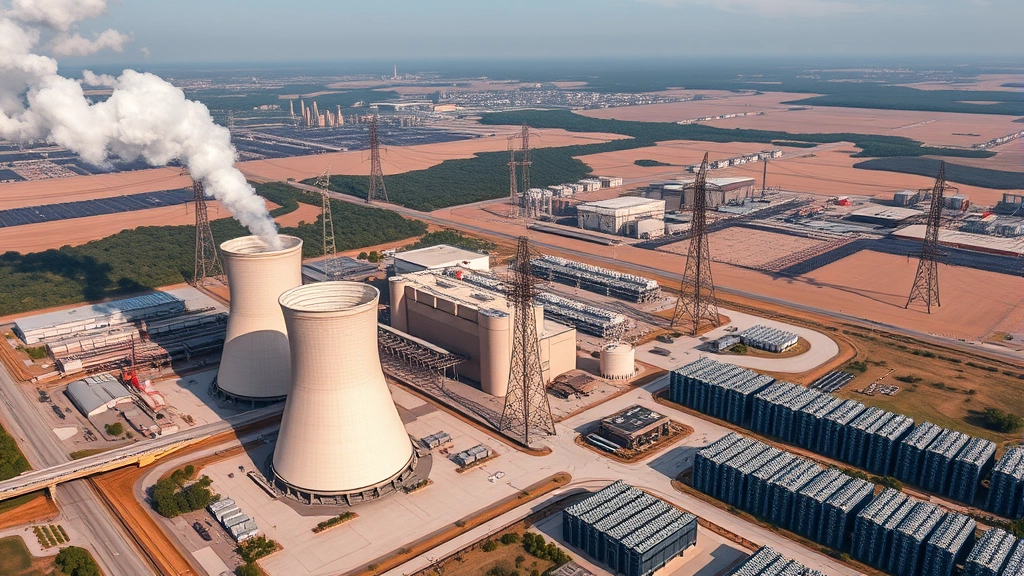
The fundamental reason AI strains environmental systems stems from its computational intensity. Machine learning models, particularly deep neural networks, require processing billions of parameters across massive datasets. This computational work demands continuous electricity supply, and the scale has grown exponentially over the past decade.
A single large language model training session can consume between 50,000 to 1,200,000 megawatt-hours of electricity, depending on model complexity and optimization efficiency. To contextualize: the average American household consumes approximately 10,500 kilowatt-hours annually, meaning a single AI model training run can require the energy equivalent of powering hundreds of homes for an entire year.
The electricity grid composition matters profoundly. In regions where fossil fuels dominate electricity generation—coal, natural gas, and oil—each kilowatt-hour carries substantial carbon emissions. Even in developed nations with cleaner grids, AI data centers often operate 24/7, requiring baseline power that renewable sources alone cannot always supply reliably. This creates a structural incentive for continued fossil fuel dependency in regions hosting major AI infrastructure.
Cooling systems compound the problem. Data centers generate extreme heat from processing servers. Maintaining optimal operating temperatures requires sophisticated cooling infrastructure consuming 20-50% of total facility energy. In water-stressed regions, this creates additional environmental pressures, as cooling often relies on freshwater resources. Some data centers use 3-5 gallons of water per kilowatt-hour processed—a hidden environmental cost rarely discussed in AI deployment analyses.
Training Large Language Models and Emissions
Large language models like GPT variants represent the most energy-intensive AI applications currently deployed. Training GPT-3, with 175 billion parameters, generated approximately 550 metric tons of CO2 equivalent emissions—equivalent to the annual carbon footprint of 110 average Americans. Subsequent models with greater capacity have consumed even more energy.
The training process involves iterative optimization cycles. Researchers modify architectures, adjust hyperparameters, and run multiple experimental iterations before finalizing models. Each experimental run consumes significant electricity. A typical large model development project might involve hundreds of training runs, multiplying the environmental impact substantially beyond single-model estimates.
Inference—the deployment phase—creates persistent emissions. While training occurs once, inference happens continuously as millions of users query AI systems. A single ChatGPT query consumes roughly 0.3 watt-hours of electricity. With hundreds of millions of daily queries across platforms, daily inference emissions rival small power plants. This creates an ongoing carbon burden scaling with user adoption.
The environmental calculus differs from traditional software. Conventional applications, once written, consume minimal electricity during use. AI systems require continuous computational work for each user interaction, creating variable costs scaling with usage. This economic structure incentivizes deployment at massive scale, amplifying environmental consequences.
Data Centers and Infrastructure
AI’s environmental footprint concentrates in data center infrastructure. Major technology companies operate sprawling facilities housing thousands of servers, consuming megawatts of continuous power. These facilities represent some of the largest industrial energy consumers globally.
Data center location decisions reflect economic optimization rather than environmental considerations. Companies establish facilities where electricity costs are lowest—often in regions with abundant fossil fuel generation or government subsidies. This geographic mismatch between computational demand and clean energy availability perpetuates carbon-intensive infrastructure development.
Hardware manufacturing creates additional environmental burdens. Producing servers, GPUs, and specialized AI chips requires energy-intensive processes and generates electronic waste. The semiconductor manufacturing process consumes substantial water and produces hazardous chemicals. As AI demand drives continuous hardware upgrades, this manufacturing footprint grows accordingly. A single high-end GPU requires approximately 240 kilowatt-hours of energy to manufacture, plus associated material extraction impacts.
The lifespan mismatch between hardware and computational demands creates waste acceleration. AI workloads push hardware to performance limits, reducing economically viable operational lifespans. Servers optimized for AI training may become obsolete within 3-5 years, far shorter than traditional server lifecycles. This accelerated replacement cycle increases both manufacturing impacts and electronic waste generation.
Data centers also require extensive supporting infrastructure—power transmission systems, cooling facilities, and administrative buildings. These systems consume additional resources and land. In some cases, data center development conflicts with renewable energy infrastructure development, as companies prioritize established fossil fuel grids over emerging clean energy projects.
Full Lifecycle Environmental Impact
Comprehensive environmental assessment requires examining AI’s entire lifecycle: raw material extraction, manufacturing, transportation, operation, and end-of-life management. Each phase contributes to overall environmental burden.
Raw material extraction involves mining rare earth elements, silicon, and other materials essential for computing hardware. Mining operations generate habitat destruction, water pollution, and significant carbon emissions from heavy machinery and processing. The extraction of materials for a single GPU involves multiple environmental externalities borne by mining communities rather than technology companies.
Transportation between manufacturing facilities, distribution centers, and data center locations adds carbon emissions. Global supply chains for semiconductor production span multiple continents, with components traveling thousands of miles. Shipping energy consumption and associated emissions represent another hidden environmental cost.
Operational emissions dominate the lifecycle assessment for data centers, typically accounting for 70-90% of total environmental impact. This concentration offers both challenge and opportunity—efficiency improvements in operations yield substantial environmental gains.
End-of-life management of AI infrastructure remains underdeveloped. Electronic waste from replaced servers and GPUs enters recycling streams with varying environmental standards. Valuable materials get recovered while hazardous substances often contaminate soil and water in regions with inadequate recycling infrastructure. This creates environmental justice concerns, as wealthy nations export electronic waste to developing countries with minimal environmental protections.
Comparative Analysis with Other Industries
Contextualizing AI’s environmental impact requires comparison with other sectors. According to research from World Bank and environmental agencies, data centers collectively consume 1-2% of global electricity. AI-specific infrastructure represents a growing fraction of this total, potentially reaching 10-15% within the decade if current growth trends continue.
The aviation industry generates approximately 2.5% of global carbon emissions. Current AI infrastructure produces roughly 0.5% of global emissions, but this comparison understates severity given AI’s rapid growth trajectory. Projections suggest AI could consume 3-4% of global electricity by 2030 if deployment accelerates without efficiency improvements.
Manufacturing sector comparisons prove instructive. Semiconductor manufacturing generates approximately 0.3% of global emissions but consumes 1-2% of industrial electricity. As AI drives semiconductor demand, this sector’s environmental impact accelerates. Unlike traditional manufacturing with relatively stable production volumes, AI-driven semiconductor demand grows exponentially, creating unprecedented environmental pressure.
Financial transaction processing offers another comparison point. Global financial systems consume approximately 0.5% of worldwide electricity. AI increasingly powers financial systems—algorithmic trading, fraud detection, and risk assessment—adding computational layers atop existing infrastructure. This integration multiplies environmental costs without corresponding economic value expansion.
The critical distinction involves necessity versus convenience. Aviation, while carbon-intensive, provides transportation infrastructure essential for global commerce and human connection. AI applications range from essential (medical diagnostics, climate modeling) to frivolous (chatbot entertainment, personalized advertisements). Differentiating necessary from unnecessary AI deployment offers environmental improvement pathways.
Solutions and Mitigation Strategies
Addressing AI’s environmental impact requires multifaceted approaches spanning technology, policy, and organizational practices. No single solution suffices; comprehensive strategies must integrate efficiency improvements, renewable energy transition, and demand management.
Algorithmic efficiency improvements offer immediate benefits. Model compression techniques reduce computational requirements without sacrificing performance. Sparse models that activate only necessary parameters consume less energy than dense networks. Distillation processes transfer knowledge from large models to smaller ones, reducing inference energy by 50-90%. Research into more efficient architectures continues accelerating, suggesting substantial near-term improvements possible.
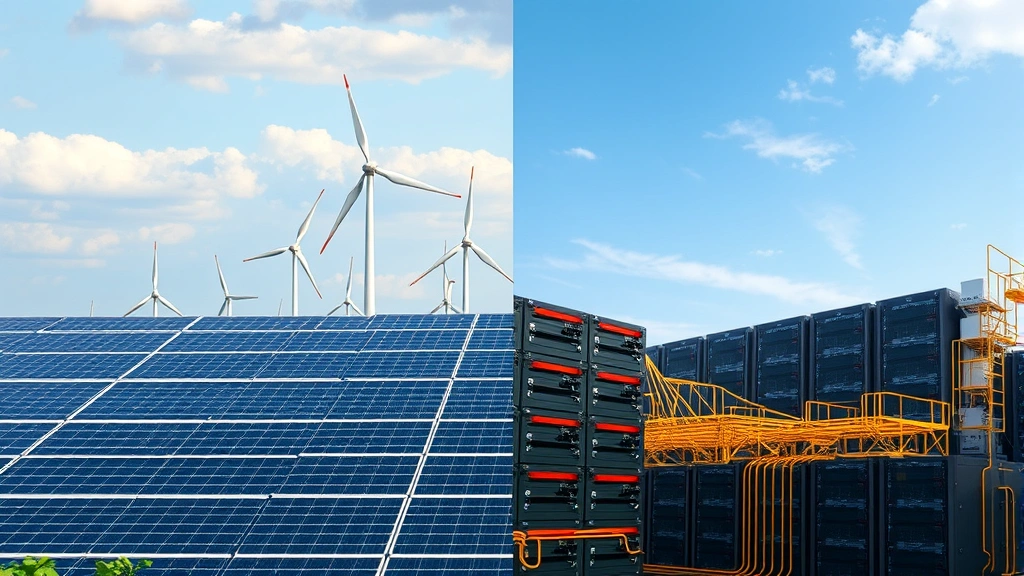
Renewable energy transition for data centers represents critical infrastructure development. Companies like Google and Microsoft have committed to operating on 100% renewable electricity, though achieving this requires building new renewable capacity rather than merely purchasing credits. Locating data centers in regions with abundant geothermal, hydroelectric, or wind resources reduces operational emissions significantly. However, geographic constraints limit this approach’s scalability.
Demand management strategies merit consideration. Organizations could establish computational budgets for AI projects, similar to carbon budgeting frameworks. Restricting model size and training duration to necessary levels rather than pursuing maximum performance could reduce environmental impact substantially. Implementing carbon pricing for computational resources would create economic incentives for efficiency.
Improved hardware efficiency through specialized chip design reduces energy consumption per computation. Custom AI accelerators outperform general-purpose processors significantly, consuming 2-10 times less energy for equivalent workloads. Continued investment in specialized hardware design offers substantial leverage for environmental improvement.
Extended hardware lifespans reduce manufacturing impacts and electronic waste. Designing servers and components for durability and repairability, rather than planned obsolescence, would decrease replacement frequency. Supporting secondary markets for refurbished AI hardware extends useful life while reducing manufacturing demands.
Policy frameworks must evolve to address AI’s environmental impact. Mandatory carbon reporting for AI projects would create transparency and accountability. Establishing efficiency standards for data centers and AI systems could drive industry-wide improvements. UNEP and international bodies should develop AI-specific environmental guidelines similar to existing standards for other industrial sectors.
Future Outlook and Policy Implications
AI’s environmental trajectory depends critically on decisions made in coming years. Current trends suggest exponential growth in computational demands as AI integration accelerates across sectors. Without significant policy intervention and technological breakthrough, AI’s carbon footprint could become a primary driver of global emissions growth.
Emerging technologies offer potential breakthroughs. Quantum computing, if successfully developed, could solve certain problems exponentially faster than classical systems, potentially reducing computational energy requirements for specific applications. Neuromorphic computing, inspired by biological neural systems, operates with dramatically lower power consumption. These technologies remain experimental but warrant substantial investment given environmental stakes.
International cooperation frameworks must address AI’s environmental impact. The World Bank’s climate change initiatives increasingly recognize technology’s role in both climate solutions and problems. Establishing global standards for AI environmental assessment and reporting would improve transparency and drive competitive improvements.
Regulatory approaches should balance innovation encouragement with environmental protection. Carbon pricing mechanisms that incorporate AI infrastructure costs would create market incentives for efficiency. Subsidizing renewable energy development in data center regions could accelerate clean energy transition. Restricting AI applications with minimal social benefit relative to environmental cost offers targeted approach.
Corporate responsibility mechanisms require strengthening. Currently, major AI companies self-report environmental metrics without independent verification. Mandatory third-party auditing and public disclosure of complete lifecycle emissions would improve accountability. Supply chain transparency requirements could address manufacturing and material extraction impacts.
The intersection of AI and environmental monitoring presents opportunity. AI systems optimizing renewable energy grids, predicting climate impacts, and managing resources could generate environmental benefits exceeding computational costs. Prioritizing AI deployment for climate solutions while restricting frivolous applications creates net environmental benefit potential. This requires deliberate policy choices rather than market-driven outcomes alone.
Education and awareness represent foundational elements. Technologists, policymakers, and consumers must understand AI’s environmental consequences to make informed decisions. Integrating environmental considerations into AI development curricula and corporate practices could shift industry culture toward sustainability. Public understanding of computational costs behind convenient AI services might generate demand for more sustainable alternatives.
The question of whether AI proves ultimately beneficial or harmful environmentally remains open. Technology itself is neutral; outcomes depend on deployment choices, policy frameworks, and collective commitment to sustainability. Recognizing current environmental challenges while pursuing technological solutions requires acknowledging AI’s costs alongside its potential benefits. This balanced perspective enables more effective environmental stewardship in an increasingly AI-dependent world.
FAQ
How much carbon does training a single AI model produce?
Training large language models generates 50-1,200 metric tons of CO2 equivalent, depending on model size and computational efficiency. GPT-3 training produced approximately 550 metric tons. Smaller models and optimized training processes reduce emissions substantially, while larger experimental models may exceed these figures significantly.
What percentage of global emissions comes from AI?
Current AI infrastructure generates approximately 0.5% of global emissions, though estimates vary based on methodology. Data centers broadly consume 1-2% of global electricity, with AI representing a growing fraction. Projections suggest AI could reach 3-4% of global electricity consumption by 2030 if growth continues unabated.
Can renewable energy solve AI’s environmental problem?
Renewable energy transition would substantially reduce AI’s carbon footprint but cannot independently solve the problem. Renewable sources cannot reliably provide continuous baseload power for 24/7 data center operations without massive storage infrastructure investment. Additionally, manufacturing AI hardware and rare earth element extraction create environmental impacts beyond electricity consumption.
Is AI necessary for addressing climate change?
AI offers significant potential for climate solutions—optimizing renewable grids, predicting climate impacts, improving agricultural efficiency. However, not all AI applications contribute to climate solutions. Differentiating necessary from unnecessary applications and prioritizing climate-positive deployment represents critical policy challenge.
What can individuals do about AI’s environmental impact?
Individuals can support policies promoting AI efficiency standards and renewable energy transition. Reducing personal AI consumption—limiting chatbot usage, avoiding unnecessary AI-powered services—decreases demand. Supporting companies prioritizing environmental responsibility and transparency encourages industry-wide change. Learning about and sharing information regarding sustainable technology practices contributes to cultural shift toward environmental consciousness.
Are there alternatives to energy-intensive AI models?
Yes. Smaller, specialized models consume significantly less energy than large general-purpose systems. Distilled models transfer knowledge from large systems to compact versions with 50-90% energy reduction. Traditional algorithmic approaches, while less flexible, often prove more efficient for specific problems. Hybrid approaches combining AI with conventional methods optimize both performance and environmental impact.


