
Can Green Policies Boost the Economy? Insights Here
The intersection of environmental policy and economic growth has evolved from a perceived trade-off into a genuine opportunity for systemic value creation. Green policies—ranging from carbon pricing mechanisms to renewable energy subsidies—are increasingly recognized not as economic drains but as catalysts for innovation, job creation, and long-term prosperity. This paradigm shift reflects decades of empirical research demonstrating that environmental stewardship and economic expansion can advance simultaneously when policies are thoughtfully designed.
The task environment for policymakers has fundamentally changed. Where once environmental regulation was viewed as an external constraint on business, contemporary evidence suggests that green policies reshape competitive landscapes, unlock new markets, and generate multiplier effects throughout economies. Understanding these mechanisms requires examining the interconnections between environmental policy design, market dynamics, technological innovation, and macroeconomic outcomes—a multidisciplinary approach that bridges ecological economics with conventional growth theory.
This analysis synthesizes research from environmental economists, institutional scholars, and development experts to address a critical question: do green policies genuinely boost economic performance, and under what conditions do they deliver sustainable prosperity?
The Economic Case for Green Policy Design
Green policies function within a specific task environment characterized by market failures, information asymmetries, and temporal mismatches between private incentives and social welfare. The fundamental economic argument rests on correcting these failures through mechanisms that internalize environmental externalities—costs borne by society that markets fail to price into transactions.
Carbon pricing represents the most analytically straightforward intervention. When fossil fuel combustion imposes health, climate, and ecosystem costs exceeding $100 per ton of CO₂ in many jurisdictions, market prices that ignore these damages systematically misdirect capital. Environmental policies addressing market failures create price signals reflecting true social costs. Research from the World Bank’s carbon pricing initiatives demonstrates that well-designed carbon taxes and cap-and-trade systems generate efficiency gains exceeding implementation costs within 5-10 years.
The economic mechanism operates through multiple channels. First, corrected price signals trigger demand-side responses—consumers and firms reduce carbon-intensive consumption and invest in alternatives. Second, revenue from carbon pricing can fund tax reductions elsewhere in the economy, potentially improving overall tax efficiency. Third, predictable environmental regulations reduce uncertainty for investors, enabling longer planning horizons and lower cost-of-capital for green investments. A 2023 IMF analysis found that revenue-neutral carbon tax implementation coupled with labor tax reductions increased long-run GDP by 0.5-1.2% across modeled economies.
Renewable energy subsidies operate through different mechanisms. While carbon pricing uses market forces to shift relative prices, renewable subsidies directly reduce the cost of clean energy technologies. The task environment for renewables involves technology learning curves—costs decline as cumulative production increases—creating a coordination problem where early-stage technologies require support to achieve scale. Renewable energy investments generate positive externalities including technological spillovers, energy independence, and local environmental improvements that markets underprovide.
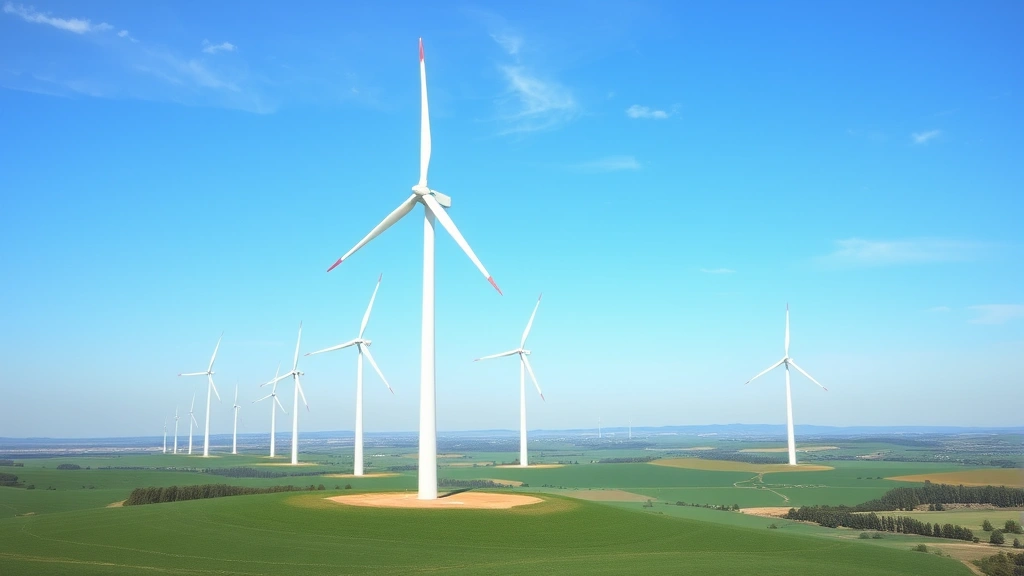
Empirical evidence supports economic benefits. Germany’s Energiewende (energy transition) and Denmark’s wind power expansion demonstrate that high renewable penetration is compatible with industrial competitiveness. Germany maintained manufacturing export leadership even while renewable electricity reached 46% of supply in 2022. Denmark exports wind turbine technology globally while running on 80% renewable electricity. These cases illustrate that green policies, when integrated with complementary industrial and innovation policies, strengthen rather than weaken competitive positioning.
Job Creation and Labor Market Dynamics
Employment effects represent the most politically salient dimension of green policy analysis. Clean energy sectors demonstrate consistently higher job creation per dollar invested than fossil fuel industries. The U.S. solar industry employs 250,000+ workers—more than coal mining despite generating 3% of electricity. Wind employment exceeded 120,000 in 2023 and continues accelerating. These figures reflect fundamental differences in technology structure: renewable energy systems require extensive installation, maintenance, and local supply chain services, while fossil fuel industries are increasingly capital-intensive and automated.
Labor market transitions, however, create legitimate adjustment challenges. Coal mining communities and fossil fuel-dependent regions face structural unemployment if policy transitions occur without complementary workforce development. The task environment for just transitions requires coordinated policy addressing education, relocation assistance, pension security, and economic diversification. Comprehensive analysis of environmental transitions emphasizes that policy design determines distributional outcomes—poorly designed green policies can concentrate costs on vulnerable populations while benefits accrue elsewhere.
Macroeconomic employment effects depend on policy design and economic conditions. During recessions with slack labor markets, green infrastructure investment generates substantial job creation through demand stimulus. The International Labour Organization estimates that $2 trillion annually in green investments would create 65 million net new jobs globally by 2030, with additional benefits from improved health outcomes reducing healthcare expenditures. During full-employment periods, green policies reallocate labor across sectors rather than expanding total employment, though job quality often improves as clean energy positions typically offer higher wages and better benefits than average service sector employment.
Sectoral employment transformation varies by regional comparative advantage. Regions with manufacturing expertise transition toward renewable equipment manufacturing. Areas with construction traditions adapt toward energy efficiency retrofitting. Agricultural regions develop biomass and bioeconomy sectors. Rather than uniform job loss, green policies generate heterogeneous labor market outcomes reflecting regional asset bases and policy complementarity.
Innovation, Productivity, and Competitive Advantage
Green policies function as innovation catalysts through multiple mechanisms. Environmental regulations establish performance targets that spur technological development. Renewable energy deployment targets created competitive pressure driving solar and wind cost reductions of 90% and 70% respectively over the past decade—cost trajectories exceeding conservative pre-policy forecasts. This innovation spillover extends beyond energy sectors: battery technology developed for renewable integration transformed electric vehicles, energy storage, and consumer electronics.
The task environment for innovation involves high capital requirements, long development timelines, and uncertain commercialization prospects. Green policies reduce these barriers through research funding, technology-neutral performance standards, and deployment support. Research in Nature Climate Change demonstrates that policy certainty increases R&D investment in clean technologies by 20-40%, with effects persisting for 10+ years as firms build organizational capabilities.
Productivity improvements emerge as green technologies mature. Energy efficiency retrofitting reduces operational costs for buildings and manufacturing facilities, improving competitiveness. Renewable electricity’s zero marginal cost structure reduces energy-intensive industries’ production costs. Electric vehicle adoption eliminates fuel expenditures and reduces maintenance costs—total cost of ownership now favors EVs over internal combustion vehicles in most markets. These productivity gains accumulate across economies as green technologies penetrate production systems.
Competitive advantage concentrates among early-adopting nations and firms. Denmark captures disproportionate wind turbine market share. Germany leads battery manufacturing. China dominates solar panel production through early policy support and manufacturing scale. Nations establishing green technology leadership positions create high-value export sectors and attract global investment. The UNEP Emissions Gap Report 2023 emphasizes that technology leadership in clean sectors represents a primary competitive advantage for 21st-century economies.
Risk Mitigation and Long-Term Fiscal Health
Green policies reduce economic risks that conventional analysis often overlooks. Climate change imposes escalating costs through extreme weather damages, agricultural disruption, infrastructure degradation, and health impacts. The Stern Review (2006) estimated unmitigated climate change could reduce global GDP by 5-20% permanently. Subsequent research has generally confirmed or strengthened these estimates. Green policies represent insurance against catastrophic outcomes, with risk reduction benefits exceeding mitigation costs even at modest discount rates.
Fiscal health improves through multiple channels. Reduced healthcare costs from improved air quality represent substantial savings—particulate pollution costs 4-5% of GDP in severely polluted regions. Avoided climate damages reduce future government expenditures on disaster recovery and infrastructure repair. Energy independence reduces vulnerability to global fuel price shocks and geopolitical supply disruptions. Germany’s rapid renewable expansion, while initially expensive, has insulated the economy from recent energy price crises affecting fossil fuel-dependent neighbors.
The task environment for fiscal planning requires incorporating long-term climate risks into budget frameworks. Nations incorporating climate risk into debt sustainability analyses increasingly justify green investments as cost-effective risk management. Central banks and financial regulators now treat climate risk as a systemic financial stability concern, creating regulatory pressure for green transitions.
Stranded asset risks create incentives for proactive green policy. Fossil fuel infrastructure represents $2-3 trillion in potential stranded assets if climate policies accelerate. Early policy adoption allows orderly transition, protecting financial system stability. Nations delaying green transitions face sharper adjustment costs as climate damages mount and global markets shift away from carbon-intensive products.
Sectoral Transformations and Structural Change
Green policies drive structural economic transformation comparable to previous technological revolutions. Electricity sector transformation represents the most advanced case. Renewable integration requires grid modernization, energy storage development, demand management technologies, and system integration services—creating entirely new industries. Energy storage alone represents a multi-trillion-dollar market emerging from policy support for renewable integration.
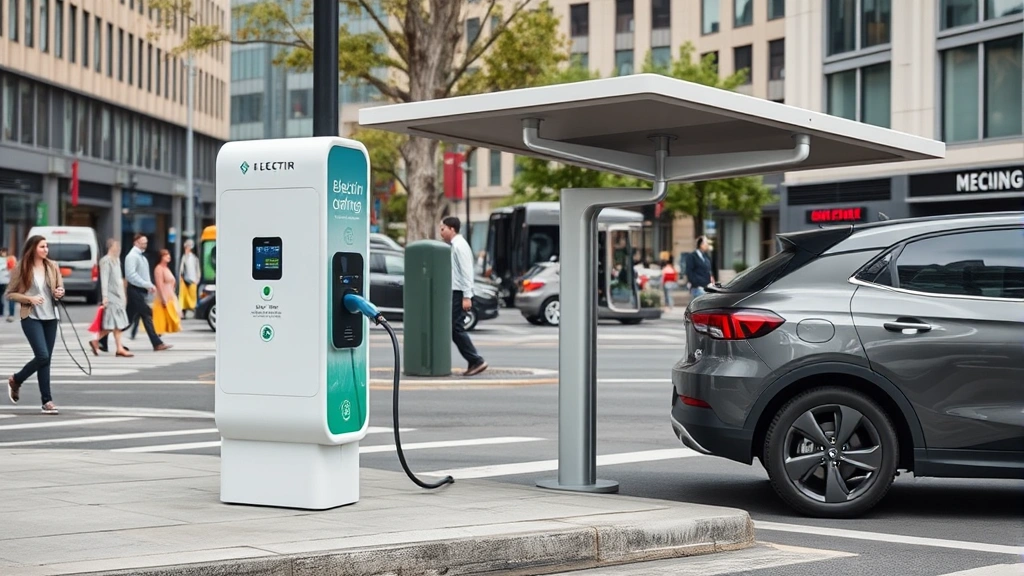
Transportation electrification generates parallel transformation. EV adoption requires charging infrastructure, grid expansion, battery manufacturing, and supply chain reorganization. Traditional automotive suppliers transition toward electric drivetrains and autonomous systems. Cities redesign transportation systems around EVs and public transit, improving urban livability while reducing congestion costs.
Building sector retrofitting creates enormous economic activity. Energy efficiency improvements reduce operational costs while improving occupant comfort. Green building certification drives premium pricing for high-performance properties. Understanding carbon reduction strategies extends to building design, creating demand for green architects, engineers, and construction specialists. The building retrofit market represents a $2-3 trillion opportunity over 30 years.
Industrial decarbonization reshapes manufacturing. Steel and cement production—accounting for ~15% of global emissions—require technological transformation toward hydrogen-based and electric processes. Green hydrogen production creates entirely new industrial sectors. Carbon capture and utilization technologies enable continued fossil fuel use with emissions elimination, creating intermediate transition pathways.
Agricultural transformation toward regenerative practices and reduced emissions creates market opportunities in carbon sequestration, ecosystem services, and premium food products. Sustainable production models extend across sectors, creating competitive advantages for early adopters.
Implementation Challenges and Policy Effectiveness
Green policy effectiveness depends critically on implementation design. Poorly designed policies create costs exceeding benefits, validating skeptics’ concerns about economic drag. The task environment for policymakers involves navigating technical complexity, political constraints, and information limitations.
Policy design failures include: (1) subsidizing uncompetitive technologies beyond their learning phase, (2) establishing carbon prices too low to drive behavioral change, (3) creating regulatory uncertainty that discourages investment, (4) neglecting complementary policies required for effectiveness, and (5) distributing costs regressively while concentrating benefits among wealthy populations.
Successful policies demonstrate common characteristics: (1) clear long-term targets with credible commitment, (2) economically efficient mechanisms (carbon pricing preferred to technology-specific subsidies), (3) revenue recycling through tax reduction or targeted support, (4) complementary investments in infrastructure and workforce development, and (5) adaptive management incorporating new evidence. LSE Grantham Institute research on policy effectiveness demonstrates that comprehensive policy packages outperform isolated measures.
Transition equity requires deliberate policy attention. Carbon pricing that funds tax reductions benefits workers disproportionately while high-income households reduce energy demand. Renewable energy benefits can concentrate among landowners if policy doesn’t ensure community benefit-sharing. Job creation benefits accrue to regions with education and infrastructure while transition costs concentrate in resource-dependent communities. Addressing these distributional concerns isn’t economically optional—political backlash against inequitable green policies threatens policy durability and effectiveness.
International coordination amplifies policy effectiveness. Carbon leakage—where emissions-intensive production relocates to less-regulated jurisdictions—undermines unilateral climate policies. Carbon border adjustment mechanisms and international carbon pricing coordination reduce leakage while improving global cost-effectiveness. Trade policies that support green technology deployment accelerate global transitions, benefiting all participants through faster cost reductions and technology diffusion.
FAQ
Do green policies actually create net job growth or just reallocate employment?
Both effects occur simultaneously. Short-term employment often represents reallocation as workers transition from declining fossil fuel sectors to expanding renewables and efficiency sectors. Long-term effects include net job creation through increased economic activity, reduced energy costs freeing resources for other consumption, and avoided climate damage costs. The International Labour Organization estimates net positive employment through 2050, though regional and sectoral distribution varies substantially.
How do green policies affect international competitiveness?
Early evidence suggests competitive benefits through technology leadership, cost reductions in green technologies, and reduced energy costs. However, unilateral green policies can disadvantage carbon-intensive exporters without border carbon adjustments. Coordinated international policies maximize competitiveness benefits while minimizing carbon leakage risks. Nations investing early in green technology leadership typically gain long-term advantage.
What’s the optimal carbon price level?
Economic theory suggests carbon prices should reflect the social cost of carbon—estimates range from $50-200+ per ton depending on climate sensitivity assumptions and discount rates. Politically feasible prices typically start lower ($10-30) and increase over time as technology costs decline and climate damages become apparent. Effectiveness depends more on credible price trajectory than initial level.
Can green policies work without international coordination?
Unilateral policies can achieve emissions reductions and economic benefits, but face carbon leakage risks and higher costs. Coordinated policies reduce global compliance costs by 20-30% compared to unilateral approaches. However, individual nations benefit from green policies even without coordination through energy independence, technology leadership, and avoided climate damages.
How long until green policies show economic benefits?
Different benefits materialize on different timescales. Job creation occurs within 1-3 years. Technology cost reductions accumulate over 5-10 years. Avoided climate damages become significant after 20-30 years. Overall economic assessment requires long-term perspective, though near-term employment and innovation benefits often exceed expectations.
What happens to workers in fossil fuel industries?
Without complementary policies, fossil fuel workers face genuine hardship. Successful transitions require: (1) advance notice enabling skill development, (2) wage insurance during transitions, (3) education and training support, (4) pension protection, and (5) economic diversification in affected regions. These investments represent modest costs (1-2% of transition budgets) with substantial returns through maintained social cohesion and political sustainability.


