
Table of Contents
Introduction
Look around your home right now. You’ll probably spot dozens of batteries powering everything from your TV remote to your laptop. Pretty convenient, right? But here’s something most of us don’t think about: what happens when those batteries die? You might be surprised to learn that tossing them in the regular trash can create some serious environmental problems. The good news? There’s a better way, and it’s easier than you might think.
Here’s why this matters more than ever. Those innocent-looking batteries actually contain some pretty nasty stuff—lead, cadmium, mercury, and lithium. When they end up in landfills, these toxic chemicals can leak into soil and water, harming wildlife and potentially affecting our health too. Not exactly the legacy we want to leave behind. But here’s the flip side: when we recycle batteries properly, we’re not just preventing pollution—we’re also helping recover valuable metals that can be used to make new batteries and other products. Talk about a win-win. If you’re just getting started with this, checking out how to recycle batteries properly will give you the foundation you need for safe storage and finding recycling options in your area.
Now, you might be thinking, “Can’t I just treat all batteries the same way?” Unfortunately, it’s not that simple. Your home probably has several different types: alkaline batteries in your remote, lithium-ion in your phone, rechargeable NiMH batteries in your camera, and maybe some tiny button cells in your watch. Each type needs different handling to stay safe and get recycled effectively. Mix the wrong types together, and you could end up with leaks or even fires during transport. Yikes! While we’re talking about responsible disposal, it’s worth expanding your green habits beyond just batteries. Learning how to recycle old electronics can really amplify your environmental impact. And don’t forget about simpler changes like understanding recycling glass bottles—every small step adds up to something bigger.
Speaking of thinking bigger, battery recycling fits into a much larger picture of sustainable living. When you start connecting the dots between reducing waste, cutting emissions, and protecting our ecosystems, it all makes sense. For instance, learning how to reduce greenhouse gas emissions shows you how individual actions contribute to fighting climate change. And if you’re interested in keeping your home chemical-free while protecting the environment, exploring natural pest control methods and discovering how to reduce plastic waste can really transform your household’s environmental footprint. It’s amazing how these habits reinforce each other.
What You’ll Learn in This Guide
We’re going to walk through everything you need to know about recycling household batteries safely and effectively. No overwhelm, no confusion—just practical steps you can actually follow. Here’s what we’ll cover:
- Types of Household Batteries: You’ll learn about the common batteries found around the home, including alkaline, lithium-ion, rechargeable variants, and button cells, and understand their specific recycling needs.
- Importance of Recycling: Dive into the environmental and health reasons why proper battery recycling is crucial, including the prevention of hazardous waste contamination and resource conservation.
- Preparation for Recycling: We’ll guide you through the safest ways to store, handle, and prepare your batteries for recycling, minimizing risks such as leaks and accidental fires.
- Where and How to Recycle: Find out about common local drop-off points, retail collection programs, municipal services, and mail-in recycling options that simplify responsible battery disposal.
Beyond the basics, we’ll share essential safety tips that’ll keep you and your family protected while handling used batteries. Plus, we’ll tackle the most common questions people have about battery recycling—the kind of stuff you might wonder about at 2 AM but never think to ask. Things like whether you really need to tape those terminals (spoiler: yes, you do) and why mixing battery types is such a bad idea.
And since we’re talking about creating a more sustainable home, you might want to explore renewable energy for homes to see how you can reduce your environmental impact even further. Understanding the broader principles of sustainability and seeing real-world environmental sustainability examples can inspire you to keep expanding your green habits in ways that actually matter.
So where do we start? First, we’ll break down the different types of batteries you’re probably using every day and what makes each one special (or challenging) to recycle. Then we’ll talk about why this whole process matters—not just for the planet, but for your community’s health too. From there, we’ll get practical: how to safely prepare your batteries for recycling and exactly where you can take them. Finally, we’ll cover the safety basics that’ll keep everyone protected throughout the process.
Ready to become your household’s battery recycling champion? By the time you finish this guide, you’ll have everything you need to handle this responsibility confidently and safely. Let’s get started on making a real difference—one battery at a time.
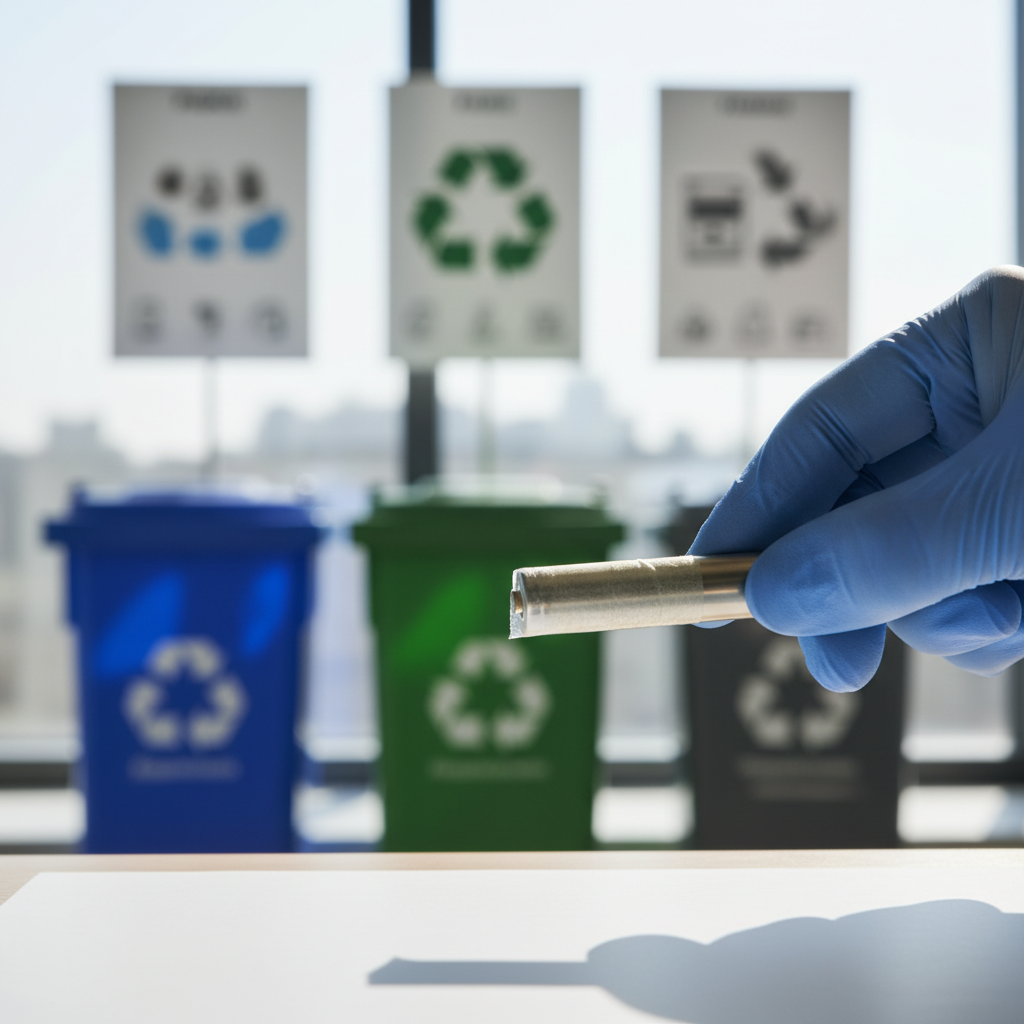
Now that we’ve covered why battery recycling matters so much, let’s get into the practical stuff. Because knowing what to do is one thing—actually doing it safely and effectively? That’s where the real impact happens. You’ve probably got a drawer somewhere with random batteries rolling around (we all do), but here’s the thing: not all batteries are created equal. Each type needs different handling, and getting this right makes all the difference for both safety and environmental impact.
Understanding the Different Types of Household Batteries and Their Recycling Needs
Walk into any home and you’ll find batteries everywhere—remote controls, smoke detectors, kids’ toys, your laptop. But they’re not all the same under the hood. We’re talking alkaline, lithium-ion, rechargeable varieties like NiMH and NiCd, plus those tiny button batteries that somehow always end up scattered around. Why does this matter? Well, mix the wrong types together and you could end up with some seriously hazardous reactions.
Think of it this way: you wouldn’t throw different types of fuel in your car’s gas tank, right? Same principle applies here. How to recycle batteries properly breaks down exactly how to identify what you’re dealing with and where each type should go. Trust me, taking a few minutes to sort them out could prevent a lot of headaches (and potential safety issues) down the road.
Here’s something that might surprise you: those rechargeable batteries sitting in your old electronics? They’re basically little treasure chests of valuable metals. Lithium, cobalt, nickel—these materials are genuinely precious, both economically and environmentally. When we recycle them properly, we’re literally mining urban waste instead of destroying natural landscapes. Pretty cool, right? That’s exactly why key battery recycling practices put so much emphasis on collecting and processing these batteries correctly.
Key Aspects of Household Battery Types
Let’s break down what you’re actually dealing with in your battery collection:
- Alkaline Batteries: Your basic, everyday workhorses—think TV remotes and flashlights. They’re less toxic than their rechargeable cousins, but they still contain materials worth recovering. The key is keeping them separate so recycling centers can handle them efficiently.
- Rechargeable Batteries (NiMH, NiCd): These power your cordless drill and probably your old digital camera. Here’s the catch—they contain some pretty nasty metals that you definitely don’t want leaching into groundwater. Handle with care, and always recycle.
- Lithium-ion Batteries: The stars of the show in smartphones, laptops, and electric vehicles. They pack a lot of energy and valuable materials, but there’s a flip side—damaged ones can actually catch fire. So yeah, proper prep before recycling isn’t just recommended, it’s essential.
- Button/Cell Batteries: Don’t let their size fool you. These little guys from your watch or hearing aid often contain mercury or other toxic nasties. Never, ever toss them in regular trash. Look for specialized collection points—they exist for a reason.
Getting familiar with these differences isn’t just academic—it’s the foundation for doing this whole recycling thing right. And once you know what you’re working with, the next step is making sure you handle everything safely.
Safe Preparation and Practical Steps for Recycling Household Batteries
Okay, here’s where things get real. Preparing batteries for recycling isn’t just about being organized—it’s about preventing some genuinely scary scenarios. We’re talking potential leaks, short circuits, even fires. Not trying to scare you, but these things can happen if you’re not careful. The good news? Avoiding problems is actually pretty straightforward once you know what you’re doing.
Before you start collecting batteries like some kind of eco-warrior pack rat, you need to think about storage. Because batteries sitting around improperly can go from helpful to hazardous pretty quickly. Want the full rundown on keeping things safe from collection to drop-off? How to recycle batteries properly covers the safety angle in detail, while key battery recycling practices walks you through the logistics of getting them where they need to go.
Key Preparation Tips for Safe Battery Recycling
Here’s your practical game plan for handling batteries like a pro:
- Store batteries in a cool, dry place: Heat and moisture are battery enemies number one and two. Avoid basements, attics, or anywhere that gets steamy. Think bedroom closet, not garage in July.
- Keep batteries away from metal objects: This one’s crucial—no rattling around with keys, coins, or tools. Metal contact can create circuits you definitely don’t want, potentially leading to heat buildup or worse.
- Do not mix different types of batteries: Remember that fuel analogy? Same deal here. Different battery chemistries can react badly together, plus recycling facilities need them sorted anyway. Save everyone some trouble.
- Cover terminals with tape for safety: Simple but effective—a piece of electrical tape over the ends prevents accidental contact. It’s like putting safety caps on outlets, but for batteries. Small effort, big safety payoff.
Look, following these steps isn’t just about checking boxes—it’s about being part of the solution in a smart, responsible way. When you handle battery recycling properly, you’re not just helping the environment. You’re also protecting the people who handle these materials every step of the way. And honestly? That feels pretty good.

Here’s the truth about household battery recycling—it’s one of those small actions that makes a real difference. You know those batteries scattered around your house? The ones in your TV remote, your kid’s toys, maybe even that old smartphone collecting dust in a drawer? They’re packed with chemicals and metals that don’t belong in our soil and water. When batteries end up in landfills, those toxic substances can leak out and wreak havoc on wildlife (and eventually, us too). But here’s the good news: proper recycling keeps those nasties contained and actually recovers valuable materials like lithium, cobalt, and nickel that can be used to make new batteries and electronics. Pretty cool, right? Now, different battery types need different handling—alkaline, lithium-ion, button cells—they each have their quirks. Understanding these differences isn’t just smart; it’s essential for preventing leaks or even fires during collection.
But wait—there’s more to this than just dropping batteries in a box. How you prepare them matters big time. Safe storage isn’t rocket science, but it’s crucial. Keep them somewhere cool and dry, separate different types (they don’t always play well together), and here’s a pro tip: tape over those terminals to prevent short circuits. Trust me, you don’t want sparks flying in your recycling bin. Once you’ve got them ready, finding a place to recycle is easier than you might think. Local recycling centers, certain retail stores, even mail-in programs—the options are out there. Making battery recycling part of your routine is just another step toward living more sustainably.
Ready to take action? Start by gathering and organizing those batteries scattered around your house—you know they’re hiding everywhere. While you’re embracing this eco-friendly mindset, why not expand it? Consider exploring resources like how to start a community garden to strengthen your connection with local ecosystems and build community ties. You could also dive into natural pest control methods to keep your home chemical-free. And if you’re feeling ambitious, discover how to build a rain garden—it’s a beautiful way to manage stormwater while supporting local wildlife. For the bigger picture on sustainable living, check out the principles of sustainability—it’s an eye-opening guide to balancing environmental, social, and economic considerations.
Look, when you choose responsible battery recycling, you’re joining something bigger than yourself. Every single battery you recycle means less pollution and more resources preserved for the next generation. Keep building those sustainable habits, share what you learn with friends and family, and watch how these small changes ripple outward. One battery at a time? We’re creating real change.
Frequently Asked Questions
-
Can I throw household batteries in the regular trash?
- It is not recommended because batteries contain hazardous materials that can harm the environment.
-
Where can I recycle my old batteries?
- Local recycling centers, some retail stores, and special collection events accept household batteries for recycling.
-
How should I store batteries before recycling?
- Keep them in a cool, dry place and separate different types to avoid short circuits.
-
Are rechargeable batteries recyclable?
- Yes, rechargeable batteries can and should be recycled to recover valuable materials.
-
What do I do if I find a leaking battery?
- Handle with care, wear gloves, and dispose of it at a hazardous waste facility as soon as possible.