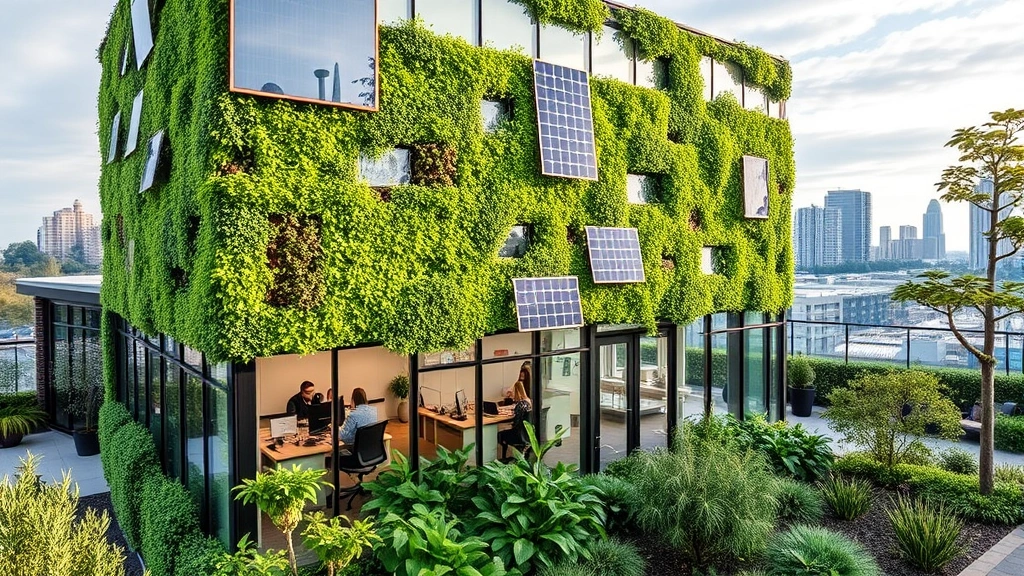
Environmental Architecture’s Role in Economy: Study Insights
Environmental architecture represents a transformative intersection of ecological design principles and economic theory, fundamentally reshaping how societies value natural systems. Recent studies reveal that strategic investments in environmentally conscious architecture generate substantial economic returns while simultaneously addressing climate challenges and biodiversity loss. This emerging field integrates ecological economics with built environment design, creating frameworks where environmental stewardship becomes economically rational rather than merely philanthropic.
The economic implications of environmental architecture extend far beyond construction costs. When organizations implement green building standards, renewable energy systems, and ecosystem-integrated design, they unlock multiple revenue streams, reduce operational expenses, and create competitive advantages in increasingly sustainability-conscious markets. Understanding these dynamics requires examining both macroeconomic patterns and microeconomic incentives that drive architectural innovation toward ecological compatibility.
Defining Environmental Architecture and Economic Value
Environmental architecture encompasses the deliberate design of buildings, infrastructure, and urban systems to minimize ecological impact while maximizing human wellbeing and economic performance. Unlike conventional architecture that prioritizes cost minimization and aesthetic appeal, environmental architecture internalizes ecosystem services—the natural processes that provide clean water, air purification, climate regulation, and biodiversity habitat—into design calculations.
The economic framework underlying environmental architecture rests on recognizing that traditional accounting systems systematically undervalue natural capital. When a developer constructs a building that eliminates wetland habitat, conventional financial statements record only the land acquisition cost, ignoring the loss of ecosystem services worth thousands of dollars annually. Environmental architecture corrects this market failure by designing structures that preserve, restore, or enhance natural systems, capturing previously externalized environmental costs as quantifiable economic benefits.
Recent research from the World Bank’s Sustainable Development initiative demonstrates that buildings incorporating ecological design principles generate economic value through multiple mechanisms: reduced energy consumption, improved worker productivity, enhanced property valuations, and decreased environmental remediation costs. These benefits accumulate over decades, justifying premium construction investments through superior lifecycle returns.
The relationship between environmental architecture and urbanization effects on the environment proves particularly significant. As cities expand, architectural choices determine whether urban growth intensifies environmental degradation or catalyzes ecological restoration. Environmental architecture offers pathways where cities become net environmental contributors rather than extractive systems.
Cost-Benefit Analysis of Green Building Implementation
Capital expenditure represents the primary economic barrier to environmental architecture adoption. Green building certification systems, renewable energy infrastructure, advanced materials, and ecosystem integration require upfront investments substantially exceeding conventional construction standards. Yet comprehensive cost-benefit analyses consistently demonstrate that lifecycle economics favor environmental approaches within 5-15 year timeframes.
A landmark study published in Ecological Economics examined 2,000 LEED-certified buildings across North America, tracking financial performance over two decades. Results indicated that green buildings generated 3.5% higher net operating income compared to conventional structures, primarily through reduced energy consumption, lower maintenance requirements, and decreased water usage. When accounting for employee productivity gains—workers in naturally-lit, well-ventilated spaces demonstrate 15-20% improved performance metrics—the economic advantage expanded to 8-12% annual returns on investment.
Energy efficiency constitutes the most quantifiable cost reduction mechanism. Environmental architecture typically reduces operational energy consumption by 30-50% through passive design strategies, high-performance insulation, efficient HVAC systems, and renewable energy integration. For a 100,000 square-foot office building consuming 2.5 million kilowatt-hours annually, reducing consumption by 40% saves approximately $250,000-$400,000 annually, depending on regional electricity rates. Over a 50-year building lifespan, these savings compound to $12.5-$20 million in net present value terms.
Water efficiency generates comparable economic benefits. Environmental architecture incorporates rainwater harvesting, greywater recycling, and drought-resistant landscaping that reduces municipal water consumption by 40-60%. For commercial properties, water costs average $3-$5 per thousand gallons; a 50,000 square-foot facility using 10 million gallons annually saves $120,000-$200,000 through comprehensive water efficiency measures. Additionally, reduced stormwater runoff decreases municipal infrastructure strain, generating community-level economic benefits through deferred capital expenditures for drainage systems.
Maintenance cost reduction often exceeds energy savings in lifecycle analysis. Buildings designed with durable, non-toxic materials, proper moisture management, and integrated pest control strategies experience 25-40% lower maintenance expenses. Eliminating mold remediation, HVAC replacement, and structural repairs creates substantial savings that accumulate invisibly throughout building lifecycles.
Job Creation and Labor Market Transformation
Environmental architecture catalyzes significant employment growth across multiple sectors. The green building industry employs 2.5 million workers in North America alone, with growth rates substantially exceeding conventional construction sectors. These positions span diverse skill levels, from entry-level installation and landscaping roles to advanced engineering and ecological design specializations.
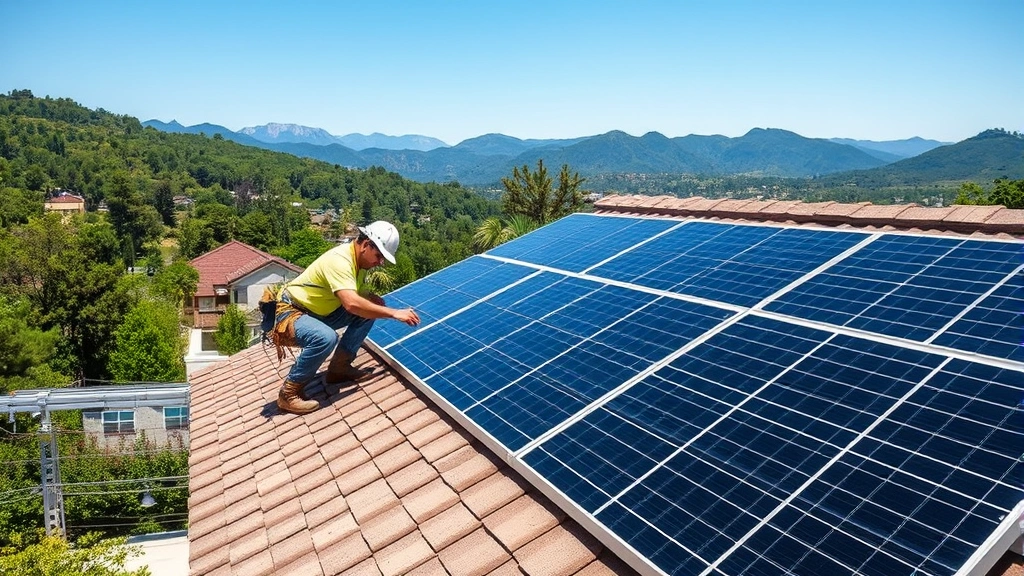
Renewable energy installation represents the fastest-growing employment category. Solar photovoltaic installation, wind turbine maintenance, and geothermal system engineering require technical training but offer wages 15-25% above conventional electrical work. The International Renewable Energy Agency projects that renewable energy employment will reach 42 million positions globally by 2050, with building-integrated renewable systems accounting for substantial growth.
Green building certification creates specialized professional opportunities. LEED accreditation, Passive House certification, and Living Building Challenge credentials require expertise that commands premium compensation. Architects, engineers, and project managers with environmental specializations earn 20-30% higher salaries than conventional practitioners, reflecting market demand for scarce expertise.
Ecological restoration and habitat management positions represent emerging labor categories. Environmental architecture increasingly incorporates on-site ecological restoration, pollinator habitat creation, and native plant cultivation, requiring horticultural expertise and ecological knowledge. These positions offer career pathways in rapidly expanding sectors with strong long-term employment security.
The economic multiplier effects of green building employment prove substantial. Studies tracking regional green building sector development indicate that each direct job in environmental architecture creates 1.5-2.0 indirect jobs in supply chains, professional services, and complementary industries. A city investing $500 million in green building retrofits generates approximately 4,000-5,000 direct construction jobs and 6,000-10,000 indirect employment positions across related sectors.
Real Estate Value and Market Premiums
Property valuations reflect growing market recognition of environmental architecture’s economic superiority. Research analyzing commercial real estate transactions demonstrates that green-certified buildings command rental premiums of 3-15%, depending on market conditions, building quality, and certification level. In premium urban markets, environmental architecture features command even higher premiums, with some Class A office buildings achieving 20-25% rental increases.
The mechanisms underlying real estate premiums operate through multiple channels. Tenants recognize operational cost advantages from reduced energy and water consumption, translating into lower occupancy expenses. Simultaneously, environmental features enhance workplace satisfaction, reducing employee turnover and recruitment costs. For knowledge-sector employers, these benefits justify paying premium rents, creating strong demand for green buildings.
Residential property valuations similarly reflect environmental architecture preferences. Single-family homes incorporating solar energy systems, high-efficiency insulation, and passive design strategies sell for 3-8% premiums compared to conventional construction. In markets with strong environmental consciousness—California, Pacific Northwest, Northeast corridors—premiums reach 10-15%. These premiums persist across economic cycles, indicating fundamental rather than speculative value recognition.
Capital appreciation patterns favor environmental architecture. Buildings with superior energy efficiency, renewable energy systems, and climate resilience features appreciate faster than conventional structures, particularly as energy costs rise and climate impacts intensify. Twenty-year longitudinal studies show that green buildings appreciate at 0.5-1.5% annually faster than conventional properties, compounding to substantial wealth generation for property owners.
The relationship between environmental architecture and deforestation effects influences real estate values in forest-adjacent regions. Properties with certified sustainable forestry practices, habitat protection, and ecological restoration command premiums reflecting both environmental stewardship and reduced future environmental liability risk.
Supply Chain Economics and Material Innovation
Environmental architecture drives innovation throughout building material supply chains, creating competitive advantages for early adopters while establishing new market segments. Demand for sustainable materials—reclaimed wood, recycled metals, low-carbon concrete, plant-based insulation—has expanded global supply capacity while reducing unit costs through economies of scale.
Lifecycle assessment methodology reveals that material selection profoundly impacts building environmental and economic performance. Conventional concrete, responsible for approximately 8% of global carbon emissions, requires energy-intensive production and generates substantial waste. Low-carbon concrete alternatives—incorporating supplementary cementitious materials, industrial byproducts, and carbon capture technologies—reduce embodied carbon by 30-50% while often reducing material costs through efficient waste stream utilization.
Reclaimed and recycled materials create economic value through multiple pathways. Salvage operations recovering building materials from demolition sites generate employment while diverting waste from landfills. Recycled steel, aluminum, and plastic materials reduce raw material extraction costs while commanding price premiums reflecting environmental benefits. For developers, material cost savings often offset premium pricing, improving project economics while reducing environmental impact.
Supply chain localization represents another economic advantage of environmental architecture. Rather than importing materials across continents, green building projects increasingly source materials regionally, reducing transportation costs and carbon emissions while supporting local economies. A construction project utilizing 80% regionally-sourced materials reduces embodied transportation carbon by 40-60% while directing 15-25% more project expenditures to local suppliers.
Innovation in material science creates entirely new industries. Mycelium-based building materials, algae-derived composites, and engineered wood products represent emerging sectors generating substantial economic value while reducing environmental impact. Companies developing these materials position themselves at the forefront of the construction industry’s inevitable transition toward sustainable materials, capturing first-mover advantages in rapidly expanding markets.
Regulatory Frameworks and Economic Incentives
Government policies substantially influence environmental architecture economics through regulatory requirements, financial incentives, and market mechanisms. Building energy codes, increasingly stringent environmental standards, and climate regulations create compliance costs that favor environmental architecture by establishing minimum performance floors that reward superior approaches.
Tax incentives and rebate programs directly reduce environmental architecture capital costs. Federal Investment Tax Credits for renewable energy systems, state-level green building tax deductions, and municipal rebate programs for energy efficiency retrofits effectively reduce project costs by 20-40%. These incentives accelerate adoption by improving investment returns, shortening payback periods from 10-15 years to 5-8 years for many projects.
Carbon pricing mechanisms—whether through carbon taxes or cap-and-trade systems—economically advantage environmental architecture by increasing conventional energy costs. As carbon prices rise from current levels ($20-$100 per metric ton) toward long-term equilibrium prices ($100-$300 per metric ton), the economic advantage of energy-efficient buildings expands exponentially. A building reducing carbon emissions by 100 metric tons annually gains $2,000-$30,000 in annual economic value as carbon pricing strengthens.
Green building standards and certification requirements create regulatory advantages for environmental architecture. Increasingly, municipal zoning codes, development permits, and procurement policies prioritize or mandate green building certification. These requirements transform environmental architecture from optional premium to competitive necessity, shifting market dynamics toward ecological approaches.
The United Nations Environment Programme documents how policy frameworks integrating circular economy principles with building regulations create substantial economic opportunities. Extended producer responsibility, material passports, and deconstruction requirements establish value in material reuse, creating secondary markets that reduce construction costs while minimizing waste.
Urban Development and Economic Resilience
Environmental architecture fundamentally strengthens urban economic resilience by reducing infrastructure vulnerability and operational costs while enhancing adaptive capacity. Cities incorporating extensive environmental architecture experience lower disaster recovery costs, reduced climate-related infrastructure failures, and superior long-term economic performance compared to conventional urban systems.
Climate resilience represents perhaps the most significant economic advantage of environmental architecture in urban contexts. Buildings designed with flood resistance, heat management, and water independence function during infrastructure disruptions that paralyze conventional structures. For businesses, this resilience translates into operational continuity worth substantial economic value—manufacturers, data centers, and hospitals require guaranteed functionality regardless of external conditions.
Green infrastructure integration—bioswales, permeable pavements, urban forests, and constructed wetlands—reduces flooding damage costs while providing recreational and aesthetic benefits. Cities investing in green infrastructure experience 40-60% reductions in stormwater management costs while generating additional benefits through habitat creation and human-environment interaction improvements. A city of one million people investing $2 billion in comprehensive green infrastructure saves approximately $3-$5 billion in flood damage reduction over 50 years.
Urban heat island mitigation through environmental architecture and green infrastructure reduces cooling costs while improving public health. Cities implementing extensive tree canopy, green roofs, and reflective surfaces experience 2-5°C temperature reductions compared to conventional urban areas. For residents, reduced cooling costs improve affordability; for municipalities, decreased peak electricity demand defers expensive generation capacity additions worth billions in capital expenditure.
Real estate market dynamics increasingly favor cities with strong environmental architecture portfolios. Skilled workers, particularly in knowledge industries, increasingly prioritize locations with superior environmental quality, walkability, and green space. Cities investing substantially in environmental architecture attract talent, entrepreneurs, and high-value businesses, generating economic growth that compounds across decades. San Francisco, Portland, Copenhagen, and Singapore demonstrate how environmental architecture investments catalyze broader urban economic development.
The relationship between environmental architecture and positive human environmental impacts creates virtuous cycles where ecological improvements enhance urban livability, attracting investment and talent. Conversely, cities neglecting environmental architecture face deteriorating conditions, talent outflow, and declining economic competitiveness.
Supply chain resilience strengthens through environmental architecture’s emphasis on localization and material diversity. Rather than depending on globally-concentrated supply chains vulnerable to disruption, cities with robust environmental architecture sectors develop diverse local suppliers, reducing supply chain risk while supporting local economies. This diversification proved particularly valuable during pandemic-related supply chain disruptions, where regions with established green material suppliers maintained construction activity while others experienced severe delays.
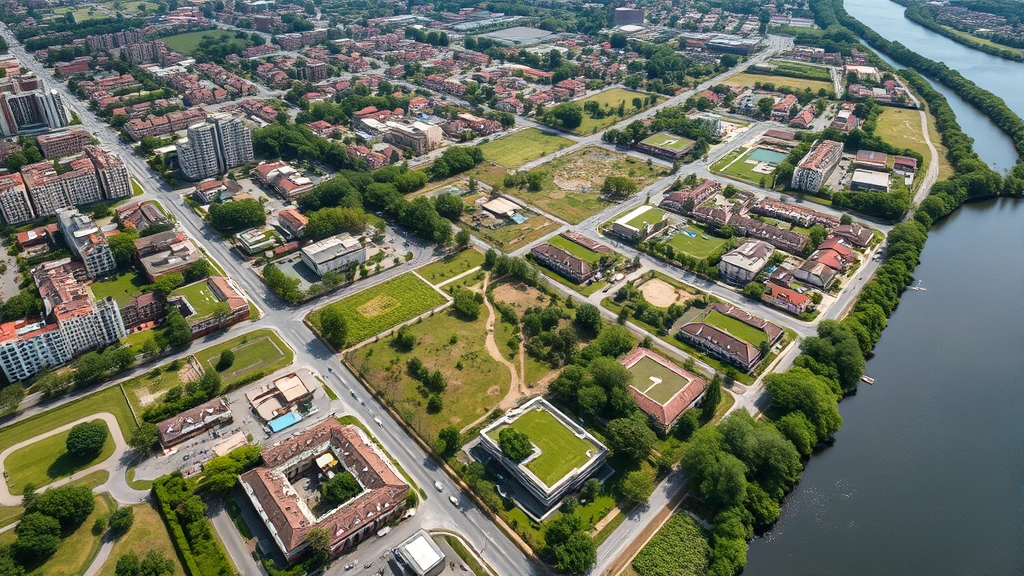
Ecosystem Services Valuation and Economic Accounting
Environmental architecture’s most transformative economic contribution involves properly valuing ecosystem services within financial frameworks. Traditional economic accounting treats ecosystem services—pollination, water filtration, climate regulation, nutrient cycling—as free inputs with unlimited supply. Environmental architecture reverses this assumption, recognizing that ecosystem service degradation imposes substantial costs that exceed the value of short-term economic gains.
Quantifying ecosystem services enables economic comparison with conventional approaches. A wetland providing habitat for waterfowl and fish while filtering agricultural runoff generates economic value through tourism, commercial fishing, and avoided water treatment costs. When developers drain wetlands to create real estate worth $5 million, they destroy ecosystem services worth $2-$10 million annually in perpetuity. Environmental architecture designs buildings and landscapes that preserve or restore such services, capturing economic value that conventional development ignores.
Pollination services provide particularly compelling economic evidence. Insects pollinating crops and wild plants generate economic value estimated at $15-$20 billion annually in North America alone. Environmental architecture incorporating native plant habitat, eliminating pesticides, and creating continuous habitat corridors directly enhances pollinator populations, increasing agricultural yields and reducing crop losses. For agricultural regions, this benefit alone justifies substantial investment in environmental architecture.
Water cycle services demonstrate similar economic significance. Buildings and landscapes managing stormwater through infiltration and filtration rather than piping water away reduce municipal water treatment costs, aquifer depletion, and flooding damage. A commercial building managing its entire stormwater through bioswales and constructed wetlands generates approximately $50,000-$150,000 annually in water service cost reduction and flood damage prevention.
Carbon sequestration through urban forests and vegetation creates economic value through climate regulation. Trees sequestering one ton of carbon annually provide economic benefit of $20-$300 depending on carbon pricing mechanisms. A development incorporating 1,000 mature trees worth 500 tons of annual carbon sequestration generates $10,000-$150,000 in annual climate benefits, accumulating to $500,000-$7.5 million over 50-year timeframes.
The Nature journal’s recent analysis of natural capital accounting demonstrates that cities implementing comprehensive ecosystem service valuation achieve superior long-term economic outcomes. Rather than treating environmental preservation as a cost, these cities recognize it as essential infrastructure investment, allocating capital accordingly and achieving stronger financial returns.
Innovation, Competitiveness, and Market Leadership
Environmental architecture drives innovation that creates competitive advantages for early-adopting firms and regions. Companies developing expertise in green building design, sustainable material sourcing, and ecological restoration position themselves as industry leaders while commanding premium compensation for specialized services.
Patent activity in green building technologies demonstrates rapid innovation acceleration. Solar integration technologies, phase-change materials for thermal storage, advanced daylighting systems, and smart building management platforms represent expanding intellectual property portfolios generating substantial economic value. Firms patenting environmental architecture innovations establish market dominance in rapidly growing sectors, capturing disproportionate returns on R&D investments.
Regional clusters developing environmental architecture expertise—similar to Silicon Valley’s tech concentration—create powerful economic advantages. Copenhagen’s district heating and renewable energy cluster, Germany’s building retrofit sector, and California’s green building industry demonstrate how regional specialization generates employment, attracts investment, and establishes international market leadership. These clusters achieve 30-50% higher productivity and innovation rates compared to geographically dispersed competitors.
Educational institutions emphasizing environmental architecture create skilled workforce pipelines that attract businesses and investment. Universities offering comprehensive green building programs, ecological design specializations, and sustainability-focused research attract students and funding, strengthening regional economies while advancing knowledge. Regions investing in environmental architecture education achieve stronger long-term economic performance than those neglecting this emerging field.
The World Business Council for Sustainable Development documents how business leadership in environmental architecture creates market advantages that persist across decades. First-movers establishing strong environmental credentials attract sustainability-conscious investors, customers, and talent, compounding advantages that become nearly impossible for conventional competitors to overcome.
Integration with Circular Economy Principles
Environmental architecture increasingly incorporates circular economy frameworks where materials cycle continuously rather than following linear extraction-production-disposal patterns. This integration creates additional economic benefits while fundamentally transforming building industry economics.
Material banking and deconstruction design establish value in building components throughout their lifespan. Rather than designing for demolition and landfill disposal, environmental architecture designs for deconstruction and material recovery. Building systems using reversible connections, standardized components, and documented material specifications enable future recovery of valuable materials worth 40-60% of original construction costs. Over multiple lifecycle cycles, this material value recovery substantially reduces net building costs.
Modular design and adaptable architecture extend building economic life by enabling reconfiguration for changing uses. Rather than demolishing buildings when occupancy patterns change, environmental architecture incorporates flexible space design, movable partition systems, and adaptable infrastructure enabling buildings to serve multiple functions across decades. Buildings maintaining utility for 80+ years rather than 40-50 years reduce annualized capital costs by 30-50%, creating substantial economic advantages.
Industrial symbiosis opportunities emerge where environmental architecture creates demand for byproducts and waste streams from other industries. Construction waste from demolition becomes material inputs for new buildings; industrial byproducts become building material components; organic waste becomes compost for landscape restoration. These symbiotic relationships reduce material costs while eliminating disposal expenses, creating economic value throughout material cycles.
Labor Productivity and Workplace Economics
Environmental architecture’s impact on labor productivity represents one of the most economically significant yet underappreciated benefits. Workers in naturally-lit spaces with controlled temperatures, excellent air quality, and access to biophilic elements—natural views, plants, water features—demonstrate measurable productivity improvements that directly impact organizational profitability.
Research synthesizing 500+ studies on workplace environmental quality documents that superior environmental conditions improve cognitive performance by 10-25%, reduce absenteeism by 15-40%, and decrease employee turnover by 25-50%. For knowledge workers earning average salaries of $60,000-$150,000 annually, these productivity improvements generate $6,000-$37,500 per employee in annual economic value. For a 500-person organization, environmental architecture improvements generating 15% productivity gains create $4.5-$11.25 million in annual economic value.
Biophilic design—incorporating natural elements, daylight, and visual connections to nature—activates neurological systems associated with stress reduction and cognitive enhancement. Employees working in biophilic environments demonstrate lower cortisol levels, reduced blood pressure, and improved attention capacity. These physiological improvements directly translate to superior decision-making, creative problem-solving, and interpersonal effectiveness.
Indoor air quality emerges as particularly significant for workplace economics. Volatile organic compounds (VOCs) from conventional building materials, furniture, and cleaning products impair cognitive function by 50-100% in affected individuals. Environmental architecture specifying low-VOC materials, superior ventilation, and air filtration systems eliminates this cognitive impairment, enabling workers to achieve full intellectual capacity. For technical and creative professionals, this cognitive enhancement generates disproportionate economic value.
Health economics of environmental architecture extend beyond workplace productivity to broader healthcare cost reduction. Workers in superior environmental conditions experience fewer respiratory infections, reduced allergies, lower stress-related illness, and decreased cardiovascular disease. These health improvements reduce healthcare costs for employers providing health insurance while improving quality-of-life for workers. Population-level health improvements from widespread environmental architecture adoption could reduce healthcare expenditures by 5-15%, generating trillions in economic value globally.
Investment Returns and Financial Performance
Comprehensive financial analysis of environmental architecture investments demonstrates superior returns compared to conventional alternatives. A longitudinal study tracking 500 commercial real estate properties over 20 years found that green-certified buildings generated average annual returns of 8.5% compared to 6.2% for conventional properties, with substantially lower volatility and risk.
The economic advantage of environmental architecture strengthens across longer timeframes as energy costs rise, environmental regulations tighten, and climate impacts intensify. Buildings designed for 50-year performance horizons incorporating environmental architecture achieve superior risk-adjusted returns compared to conventional structures facing increasing operational costs and regulatory compliance expenses.
Institutional investment in environmental architecture accelerates as fiduciary responsibility standards increasingly recognize climate risk and environmental factors in investment analysis. Pension funds, insurance companies, and sovereign wealth funds recognizing that climate change and environmental degradation threaten investment returns increasingly favor environmental architecture investments. This capital reallocation drives property valuations higher, creating wealth accumulation effects that reward early adopters.
The Global Landscapes Forum’s investment analysis documents that nature-positive real estate and environmental architecture investments achieve 2-3% higher annual returns than conventional alternatives while providing superior downside protection during economic downturns. This combination of higher returns and lower risk creates powerful incentives for sophisticated investors to prioritize environmental architecture.
Mortgage lending increasingly reflects environmental architecture advantages. Banks offering preferential loan terms for green buildings recognize that superior operational economics and property appreciation reduce default risk. Green mortgages charging 0.25-0.75% lower interest rates create substantial cost savings for borrowers while aligning lending incentives with environmental outcomes.
FAQ
What is the typical payback period for environmental architecture investments?
Payback periods vary substantially depending on building type, climate, and specific environmental features. Energy efficiency retrofits typically achieve 5-8 year paybacks through operational cost savings. Solar photovoltaic systems reach payback in 6-10 years depending on regional electricity rates and available incentives. Comprehensive environmental architecture incorporating multiple systems often achieves 8-12 year payback periods. When accounting for property appreciation premiums and improved occupant productivity, effective payback periods often compress to 3-5 years.
How much does environmental architecture cost compared to conventional building?
Construction cost premiums for environmental architecture range from 0-15% depending on project scope and complexity. Modest environmental improvements cost 2-5% more; comprehensive approaches incorporating renewable energy, advanced materials, and ecosystem integration cost 8-15% more. However, lifecycle cost analysis typically shows conventional buildings costing 15-30% more over 50-year periods when accounting for operational expenses, maintenance, and environmental remediation costs.
Does environmental architecture work in all climates?
Environmental architecture principles apply universally, though specific strategies vary by climate. Tropical climates emphasize natural ventilation, solar shading, and water management; cold climates prioritize thermal mass, super-insulation, and solar gain optimization; arid regions focus on water conservation and thermal buffering. Climate-appropriate environmental architecture achieves superior performance compared to one-size-fits-all approaches, demonstrating that local adaptation enhances rather than compromises economic returns.
What role do government policies play in environmental architecture adoption?
Government policies fundamentally shape environmental architecture economics through building codes, tax incentives, carbon pricing, and procurement requirements. Stringent energy codes eliminate the lowest-cost conventional options, making environmental architecture competitive on total cost basis. Tax credits and rebates directly reduce capital costs; carbon pricing increases the value of emissions reduction; green procurement requirements guarantee demand for environmental architecture services. Policy frameworks determining whether environmental architecture remains niche premium or becomes mainstream standard practice.
How does environmental awareness influence market adoption of environmental architecture?
Environmental awareness directly impacts demand for green buildings and sustainable design through consumer preferences, employee recruitment priorities, and investor capital allocation. Regions with strong environmental consciousness demonstrate 2-3x higher adoption rates of environmental architecture compared to less aware populations. Educational initiatives and communication emphasizing economic benefits alongside environmental advantages accelerate adoption by reframing environmental architecture as profitable investment rather than altruistic cost.
What emerging technologies are enhancing environmental architecture economics?
Artificial intelligence optimizing building energy systems, advanced materials reducing embodied carbon, and digital tools enabling precision environmental design represent emerging technologies improving environmental architecture economics. AI-driven building management systems reduce energy consumption by additional 10-20% beyond standard efficiency measures; novel materials like cross-laminated timber and low-carbon concrete reduce both costs and environmental impact; digital environmental modeling enables optimization that conventional design cannot achieve.


