Cockroach Role in Ecosystems: Surprising Benefits
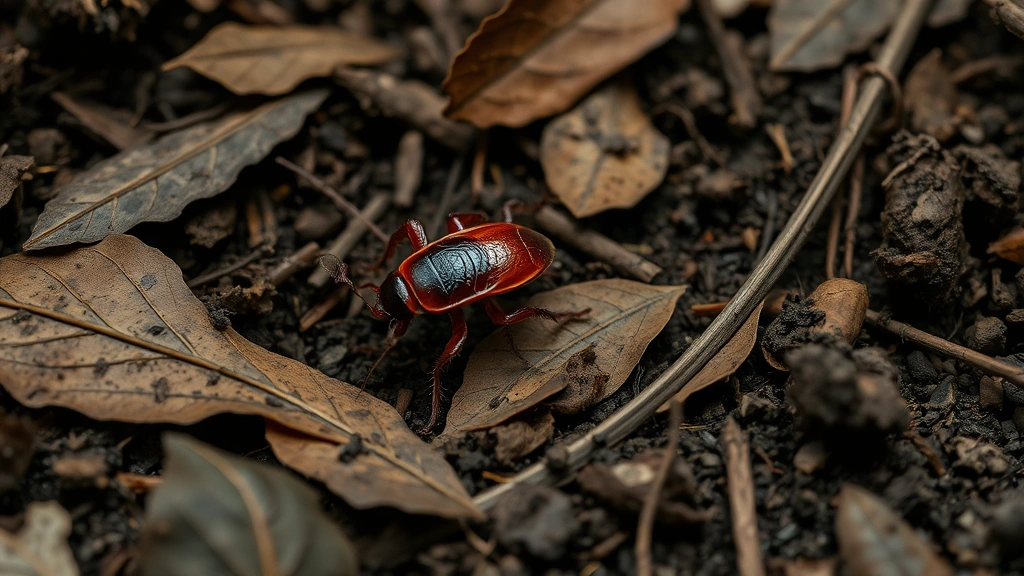
Cockroaches have inhabited Earth for over 300 million years, surviving multiple extinction events and adapting to virtually every terrestrial environment except Antarctica. While commonly perceived as household pests, these resilient insects play crucial ecological roles that warrant scientific examination and environmental appreciation. Understanding what do cockroaches do for the environment reveals a complex web of ecological services that sustain forest ecosystems, nutrient cycling, and food webs across the planet.
The ecological significance of cockroaches extends far beyond their notorious reputation. Research in ecological economics demonstrates that every organism, regardless of human preference, contributes value to ecosystem functioning. Cockroaches represent a fascinating case study in how seemingly undesirable species provide measurable environmental benefits. Their abundance, biomass, and ecological interactions make them essential components of healthy ecosystems—a reality that challenges our anthropocentric perspective on nature.
This comprehensive analysis explores the multifaceted environmental contributions of cockroaches, examining their roles as decomposers, nutrient recyclers, prey species, and indicators of ecosystem health. By understanding these functions, we gain insight into the interconnected nature of biodiversity and the economic value of ecological services that often go unrecognized.
Decomposition and Nutrient Cycling
Cockroaches function as primary decomposers in forest and soil ecosystems, breaking down dead organic matter including leaf litter, decaying wood, fungi, and animal remains. This decomposition process is fundamental to nutrient cycling—the movement of essential elements like nitrogen, phosphorus, and carbon through ecosystems. When cockroaches consume organic debris, they accelerate the breakdown of complex compounds into simpler forms that plants can absorb and utilize for growth.
The digestive efficiency of cockroaches enables them to process vast quantities of organic material. A single cockroach can consume approximately its body weight in food daily, meaning a colony of thousands can process hundreds of kilograms of organic matter annually. This efficiency reduces the time required for nutrient availability in soil, enhancing plant productivity and ecosystem productivity overall. Research published in World Bank agricultural biodiversity assessments emphasizes how decomposer organisms directly impact soil health and agricultural productivity.
The feces (frass) produced by cockroaches represents a concentrated source of nutrients. Unlike simply consuming and excreting waste, cockroach frass contains partially decomposed organic material enriched with microbial communities that further enhance nutrient availability. This biological process mirrors industrial composting, yet occurs continuously across forest floors at minimal energetic cost to human systems. The nitrogen content in cockroach frass, combined with phosphorus and potassium compounds, creates a natural fertilizer that enriches soil fertility.
Understanding the definition of environment science includes recognizing biogeochemical cycles as central to ecosystem function. Cockroaches exemplify how organisms contribute to these cycles through metabolic processes. Their role in decomposition represents an ecosystem service that would require significant human intervention and financial investment if performed artificially through industrial composting or soil amendment programs.
Food Web Energy Transfer and Biodiversity Support
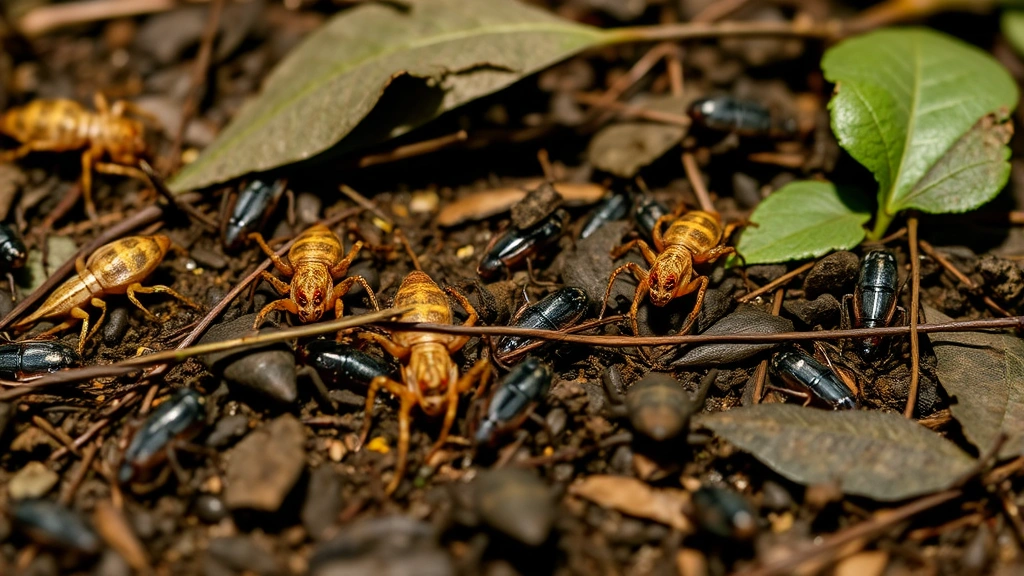
Cockroaches occupy a critical position in food webs as a protein-rich food source for numerous predators and consumers. Spiders, centipedes, scorpions, reptiles, birds, and small mammals depend substantially on cockroach populations for nutrition. The biomass of cockroaches available in ecosystems directly influences predator population sizes, reproductive success, and species diversity. In tropical rainforests—Earth’s most biodiverse terrestrial ecosystems—cockroach abundance correlates strongly with the abundance of insectivorous vertebrates.
Energy transfer through food webs follows thermodynamic principles, with approximately 10-20% of energy passing from one trophic level to the next. Cockroaches, as primary consumers of detritus, convert dead organic matter into living biomass that predators can efficiently consume. This energy transformation makes cockroaches essential links between decomposing matter and higher-order consumers. Without cockroach populations, energy trapped in dead organic material would decompose more slowly, reducing energy availability for predator populations.
The diversity of cockroach species—approximately 4,600 described species globally—ensures varied nutritional profiles and temporal availability for predators. Different cockroach species occupy different ecological niches, have different activity patterns, and contain different nutrient compositions. This diversity provides predators with diverse food options throughout seasonal cycles, stabilizing predator populations and reducing ecosystem vulnerability to fluctuations.
Research on types of environment demonstrates that cockroach-dependent food webs characterize most terrestrial ecosystems. The removal of cockroaches from experimental ecosystems results in measurable declines in insectivore populations, predator diversity, and overall ecosystem complexity. This evidence underscores the foundational importance of cockroaches to ecosystem stability and function.
Soil Ecosystem Engineers
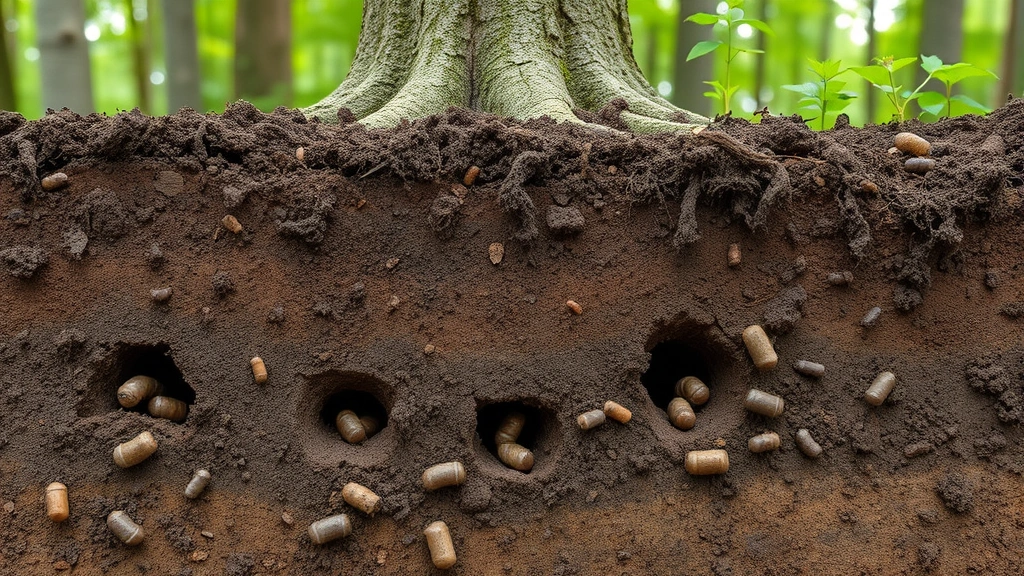
Beyond consuming organic matter, cockroaches physically modify soil structure and properties—a function known as ecosystem engineering. As cockroaches burrow, tunnel, and move through soil layers, they create pathways that enhance water infiltration, aeration, and root penetration. These burrows provide habitat for microorganisms, nematodes, arthropods, and fungi that depend on soil porosity for survival and function.
The mechanical disturbance created by cockroach activity mixes soil layers, distributing nutrients vertically and horizontally. This mixing process, called bioturbation, prevents nutrient stratification and ensures more uniform soil fertility. In compacted soils—common in degraded ecosystems—cockroach burrowing can restore soil structure and permeability. Research in ecological engineering demonstrates that soil invertebrates like cockroaches provide services equivalent to mechanical soil tillage, yet at zero energy cost.
Cockroach burrows also serve as refugia for other soil organisms during environmental stress. During droughts, floods, or temperature extremes, soil fauna retreat into cockroach-created voids. This habitat provision increases survival rates for soil communities and maintains microbial diversity essential for soil health. The economic value of maintaining soil structure through natural engineering processes, rather than mechanical intervention, represents significant cost savings for ecosystem restoration projects.
Examining human-environment interaction reveals how soil engineering services provided by organisms like cockroaches become economically valuable when ecosystems degrade and require restoration. Agricultural economists increasingly recognize that maintaining populations of soil engineers reduces long-term input costs and improves soil sustainability compared to chemical or mechanical interventions.
Natural Pest Control Relationships
Cockroaches themselves serve as biological control agents for other organisms. Certain cockroach species consume pest insects, fungi, and plant pathogens. Some cockroaches feed on fungal spores, including pathogenic fungi that cause crop diseases and forest diseases. Others consume eggs and larvae of agricultural pests, reducing pest populations naturally without synthetic pesticide application.
The presence of cockroach predators—including parasitic wasps, entomopathogenic fungi, and nematodes—creates a natural pest management system. These predators maintain cockroach populations at levels that prevent exponential growth while maintaining the ecological services cockroaches provide. This predator-prey dynamic exemplifies natural balance in functioning ecosystems, where no single species dominates unchecked.
In forest ecosystems, cockroaches and their predators participate in regulating other arthropod populations. The removal of cockroaches from forest systems results in population explosions of other detritivores and pests, often creating ecological imbalances that damage forest productivity. This regulatory function, called top-down control, prevents ecosystem degradation and maintains forest health without human intervention.
Understanding how humans affect the environment includes recognizing that pesticide application targeting cockroaches often eliminates their predators simultaneously, disrupting natural pest control networks. Ecological economics research demonstrates that preserving natural pest control through cockroach populations reduces long-term pest management costs and minimizes environmental contamination from synthetic pesticides.
Forest Health and Ecosystem Indicators
Cockroach diversity and abundance serve as reliable bioindicators of forest ecosystem health. Healthy forests with intact decomposition networks, stable soil conditions, and diverse predator communities support robust cockroach populations. Conversely, degraded forests show reduced cockroach abundance and diversity, signaling ecosystem dysfunction. Environmental scientists use cockroach sampling as a rapid, cost-effective method for assessing ecosystem quality.
The presence of specific cockroach species indicates particular environmental conditions. Some species prefer wet environments and indicate adequate moisture availability; others prefer dry conditions. Some species require dense organic matter and indicate high decomposition activity; others indicate sparse nutrient conditions. This indicator value makes cockroaches valuable for environmental monitoring programs and ecosystem assessment protocols.
Research from the United Nations Environment Programme emphasizes that invertebrate biodiversity, including cockroaches, provides essential early warning signals for ecosystem degradation. Monitoring cockroach populations enables proactive management before ecosystem collapse occurs. This preventive approach proves far more cost-effective than attempting restoration after major ecosystem damage.
In tropical ecosystems where cockroach diversity is highest, conservation strategies increasingly recognize cockroaches as priority organisms for protection. The loss of cockroach diversity correlates with loss of predator diversity, decomposition efficiency, and overall ecosystem productivity. Positive impacts humans have on the environment include protecting cockroach habitats through forest conservation and sustainable land management practices.
Economic Value of Ecosystem Services
Ecological economics quantifies the monetary value of ecosystem services provided by organisms. For cockroaches, measurable services include nutrient cycling, decomposition acceleration, soil engineering, food web support, and pest control. Economists estimate ecosystem service values by calculating replacement costs—the expense of performing these services artificially if organisms were unavailable.
Decomposition services provided by cockroaches in a single hectare of tropical forest can be valued at $200-500 annually, based on equivalent composting costs. Soil engineering services equivalent to mechanical tillage cost $50-150 per hectare when performed artificially. Food web support services sustaining predator populations worth tens of thousands of dollars annually depend on cockroach populations. Pest control services preventing agricultural losses represent thousands of dollars in reduced pesticide costs.
When aggregated across global forest area—approximately 4 billion hectares—cockroach ecosystem services represent trillions of dollars in annual economic value. This valuation demonstrates that protecting cockroach populations and their habitats represents economically rational environmental management, not merely ethical preference for biodiversity conservation.
Research from Ecological Economics journal provides rigorous methodologies for valuing ecosystem services. Studies applying these methodologies consistently demonstrate that ecosystem services from decomposer organisms like cockroaches substantially exceed any costs associated with their presence in human-adjacent environments. Economic analysis supports conservation of cockroach populations as cost-effective environmental management.
The World Bank’s biodiversity economic analysis recognizes that invertebrate conservation provides economic returns through maintained ecosystem services. Nations investing in cockroach habitat protection through forest conservation achieve measurable economic returns through reduced decomposition costs, improved soil productivity, and reduced pest management expenses.
Climate change impacts on cockroach populations have cascading economic consequences. As climate change alters temperature and moisture regimes, cockroach distributions shift, affecting decomposition rates, nutrient cycling efficiency, and predator populations. Economists project that climate-driven losses of cockroach ecosystem services could cost global economies billions of dollars through reduced soil productivity, increased pest management costs, and ecosystem degradation. Preventive investment in climate adaptation for cockroach populations represents economically sound environmental policy.
FAQ
What specific ecosystem services do cockroaches provide?
Cockroaches provide decomposition services, nutrient cycling, soil engineering through burrowing, food web support as prey species, and natural pest control. They accelerate organic matter breakdown, enhance soil structure, sustain predator populations, and maintain ecosystem stability through their ecological interactions.
How many cockroach species exist and where do they live?
Approximately 4,600 described cockroach species inhabit diverse environments globally, from tropical rainforests to temperate forests, grasslands, deserts, and caves. Only a small percentage of species—fewer than 30—regularly inhabit human structures. The vast majority are essential forest ecosystem members.
Do cockroaches truly help control pests?
Yes, certain cockroach species consume pest insects, fungal spores, and plant pathogens. Additionally, cockroach predators maintain natural pest management networks. Cockroaches themselves are regulated by predators including spiders, wasps, and entomopathogenic organisms, creating balanced pest control systems.
How do cockroaches compare to other decomposers in importance?
While bacteria and fungi perform primary decomposition, cockroaches accelerate these processes through mechanical breakdown and consumption. Cockroaches represent a crucial middle step in decomposition, making organic matter available to microorganisms and enhancing overall decomposition efficiency.
Can cockroach loss affect food webs significantly?
Yes, experimental removal of cockroaches from ecosystems demonstrates measurable declines in predator populations, reduced insectivore diversity, and decreased overall food web complexity. Cockroaches provide essential protein resources supporting entire predator communities.
How does cockroach conservation benefit humans economically?
Protecting cockroach populations reduces long-term costs for decomposition services, soil amendment, pest management, and ecosystem restoration. Economic valuations demonstrate that ecosystem services from cockroaches represent thousands of dollars per hectare annually, making conservation economically rational.
Are cockroaches indicators of ecosystem health?
Absolutely. Cockroach diversity and abundance reliably indicate forest ecosystem health, decomposition efficiency, soil quality, and predator community structure. Environmental scientists use cockroach sampling as a rapid, cost-effective biomonitoring method.
How do climate changes affect cockroach ecosystem services?
Climate change alters temperature and moisture regimes, shifting cockroach distributions and affecting decomposition rates, nutrient cycling, and predator population dynamics. These changes have cascading economic consequences through reduced soil productivity and increased pest management costs.


