
Can Green Jobs Boost the Economy? Economist Insights
The intersection of environmental sustainability and economic growth has become one of the most compelling policy debates of our time. As global temperatures rise and ecological systems face unprecedented pressure, economists increasingly recognize that the transition to a green economy isn’t merely an environmental imperative—it’s a substantial economic opportunity. Green jobs, defined as employment in economic activities that produce goods or services to benefit the environment or conserve natural resources, represent a dynamic sector capable of generating wealth, innovation, and prosperity while simultaneously addressing climate change and biodiversity loss.
The question isn’t whether green jobs can boost the economy, but rather how quickly and equitably we can scale this transition. Recent analyses from leading economic institutions suggest that strategic investment in renewable energy, sustainable agriculture, ecosystem restoration, and circular economy models could create millions of jobs while simultaneously reducing carbon emissions and improving public health outcomes. Understanding the mechanisms through which green employment drives economic growth requires examining employment trends, wage data, sectoral analysis, and the multiplier effects that ripple through connected industries.
This comprehensive examination explores the economic dimensions of green job creation, synthesizing insights from ecological economics, labor market analysis, and environmental policy research to demonstrate how the green transition can serve as an engine for inclusive economic development.
Understanding Green Jobs and Economic Impact
Green jobs encompass far more than solar panel installation and wind turbine maintenance. The International Labour Organization defines them as positions in agriculture, manufacturing, construction, installation, and services sectors that contribute to preserving or restoring environmental quality. This broad definition includes roles in energy efficiency retrofitting, sustainable forestry, organic farming, waste management and recycling, water treatment, and environmental consulting. Understanding the economic contribution of these sectors requires moving beyond simple employment counts to examine value creation, productivity gains, and systemic economic effects.
The economic case for green jobs rests on several interconnected arguments. First, environmental degradation imposes substantial costs on economies through healthcare expenses, lost productivity, infrastructure damage, and reduced agricultural yields. The World Bank estimates that environmental degradation costs developing countries between 4-9% of annual GDP. By investing in green jobs that prevent or reverse this degradation, economies avoid these future costs while simultaneously generating current employment and income. Second, green industries represent high-growth sectors with expanding global markets. The renewable energy industry has demonstrated consistent double-digit annual growth rates, outpacing fossil fuel sectors in recent years.
Third, green job creation often occurs in sectors aligned with natural resource management, making them particularly suited for rural and regional economies. This geographic distribution contrasts with many traditional industries, creating opportunities for inclusive development across diverse regions. Fourth, the transition to green economies drives innovation and technological advancement, creating productivity improvements that enhance overall economic competitiveness.

Employment Growth in Renewable Energy Sectors
The renewable energy sector exemplifies the employment potential of green transitions. Global renewable energy employment reached approximately 12.7 million jobs in 2021, according to the International Renewable Energy Agency (IRENA), with solar photovoltaic and wind energy installations accounting for the majority of growth. These figures represent a 5% annual increase despite pandemic-related disruptions, demonstrating sector resilience and expansion momentum.
Solar energy employment demonstrates particularly dramatic growth. The photovoltaic manufacturing, installation, and maintenance sectors employed over 4 million workers globally by 2021, with employment concentrations in China, India, the United States, and European nations. Solar jobs span the entire value chain: raw material extraction and processing, manufacturing and quality control, transportation and logistics, installation and electrical work, maintenance and repair services, and customer service and sales. Each stage generates employment across skill levels, from entry-level positions requiring brief training periods to highly specialized engineering and technical roles.
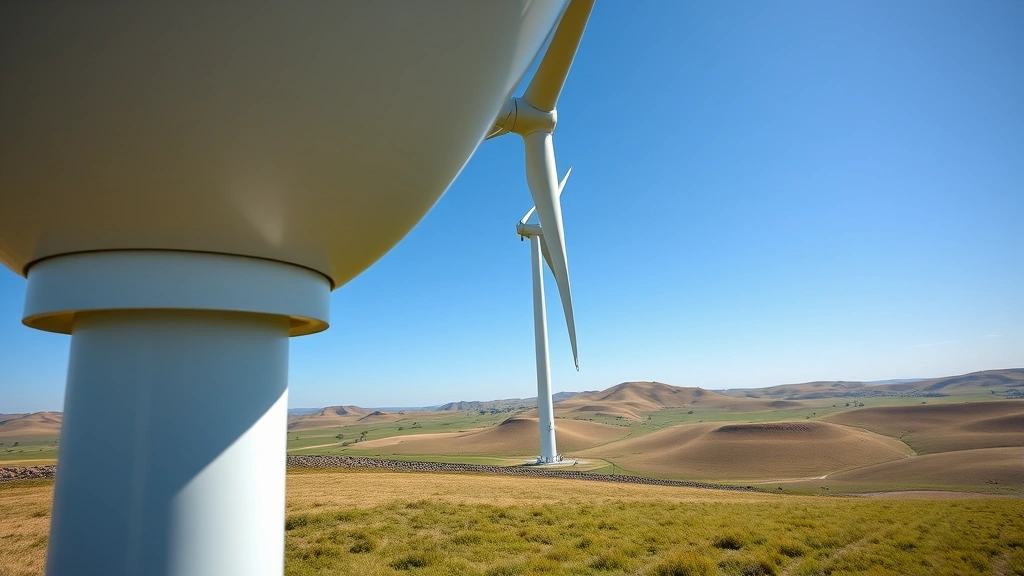
Wind energy similarly generates substantial employment across onshore and offshore installations. A single utility-scale wind turbine requires approximately 5-10 full-time equivalent jobs during its 20-25 year operational lifespan, accounting for manufacturing, installation, operations, and maintenance. The expansion of offshore wind capacity creates particularly valuable employment, as these projects require specialized maritime expertise, advanced manufacturing capabilities, and substantial service infrastructure. Countries like Denmark, Germany, and the United Kingdom have built competitive advantages in offshore wind technology and installation, generating high-value employment in engineering, manufacturing, and specialized services.
Energy efficiency retrofitting represents another substantial employment category within green sectors. Building energy efficiency improvements—insulation, window replacement, HVAC system upgrades, and renewable heating installation—require skilled trades workers, engineers, and project managers. The International Energy Agency estimates that meeting global climate targets requires doubling energy efficiency improvement rates, implying substantial employment growth in this sector. Unlike manufacturing sectors that concentrate production in specific locations, building retrofits must occur distributed across geographic regions, ensuring broad employment distribution and local economic stimulus.
Wage Premiums and Labor Market Benefits
A crucial economic dimension of green jobs involves their wage characteristics relative to comparable traditional employment. Research from the World Bank and various national labor statistics agencies demonstrates that green sector employment frequently offers wage premiums, particularly in renewable energy, energy efficiency, and environmental management.
Solar installation technicians, for example, earn median wages approximately 15-25% above comparable construction trades in many developed economies, reflecting specialized skill requirements and growing labor demand. Wind turbine technicians command particularly high wages—often exceeding $50,000 annually in the United States—substantially above average manufacturing wages. These wage premiums reflect several factors: rapid industry expansion creating labor scarcity, specialized skill requirements, physical demands of the work, and strong productivity growth in these sectors enabling higher wage payments.
Energy auditors and efficiency consultants represent professional-level green employment with substantial wage premiums. These positions typically require post-secondary education and offer median wages 20-35% above economy-wide averages. The growing recognition of climate risk and energy cost volatility has created sustained demand for these professional services across corporate, institutional, and residential sectors.
Beyond individual wage premiums, green job creation generates broader labor market benefits through positive impacts on employment ecosystems. Expanding green sectors increase overall demand for labor, potentially raising wages across broader labor markets through reduced unemployment and improved worker bargaining power. In regions undergoing green transitions, skill development programs and educational investments create human capital improvements benefiting workers across sectors.
Sectoral Multiplier Effects and Economic Spillovers
The true economic impact of green job creation extends far beyond direct employment figures through multiplier effects that ripple through connected economic sectors. When a renewable energy company establishes manufacturing operations in a region, it generates direct employment while simultaneously creating demand for component suppliers, transportation services, construction labor, financial services, and retail spending by employees. Economic modeling suggests these indirect and induced effects multiply initial employment impacts by factors ranging from 1.5 to 2.5, depending on regional economic structure and supply chain integration.
Manufacturing multipliers prove particularly substantial. Renewable energy equipment manufacturing generates demand for steel, aluminum, copper, electronics, and rare earth elements. A single wind turbine production facility requires hundreds of component suppliers, creating regional supply chains and specialized manufacturing capacity. Solar manufacturing similarly depends on glass, silicon, metallic components, and electronic systems, creating interconnected industrial networks. These supply chains generate employment in transportation, warehousing, quality assurance, and logistics, multiplying the employment impact of direct manufacturing positions.
Construction and installation activities generate substantial service sector employment. Energy efficiency retrofitting projects require electricians, plumbers, carpenters, inspectors, project managers, and administrative personnel. These workers spend wages locally on housing, food, transportation, and services, generating secondary employment in retail, hospitality, healthcare, and personal services. Research from the Economic Policy Institute suggests that green construction spending generates approximately 1.8 jobs for every direct construction position, compared to 1.3-1.5 for traditional construction, reflecting the labor-intensive nature of efficiency improvements and the high proportion of local spending.
Innovation spillovers represent additional economic benefits extending beyond direct employment. Renewable energy development drives advances in materials science, battery technology, digital controls, and grid integration, creating knowledge that diffuses across industries. Companies developing efficiency improvements generate intellectual property and expertise applicable to broader manufacturing and service sectors. These innovation externalities enhance overall economic productivity and competitiveness, benefits that extend far beyond the green sectors themselves.
Challenges in Green Job Transition
Despite substantial economic potential, green job creation faces significant structural and political challenges requiring careful policy management. Geographic mismatch represents a primary concern: renewable energy resources concentrate in specific locations—coastal areas for offshore wind, high-irradiance regions for solar, mountainous areas for hydropower—while fossil fuel industry employment concentrates in coal mining regions, oil production centers, and related industrial areas. Without deliberate policy intervention, green transitions can simultaneously create employment in new locations while devastating communities dependent on declining fossil fuel industries.
Skills mismatch creates additional friction. Coal miners and oil workers possess specialized skills not directly transferable to renewable energy sectors. A 55-year-old coal miner cannot easily transition to solar installation, requiring substantial retraining investment. While such investments generate long-term returns, short-term adjustment costs create hardship and political resistance. Effective green transitions require comprehensive worker adjustment programs, wage insurance, pension protections, and community economic diversification strategies.
Capital intensity variations across sectors affect employment intensity. Renewable energy generation, while creating substantial manufacturing and installation employment, requires less ongoing operational employment than fossil fuel plants. A nuclear power plant requires continuous staffing for operations, security, and maintenance; a solar farm requires minimal operational personnel. This distinction means that green transitions must emphasize manufacturing and installation employment, which can decline as markets mature and production becomes routine.
Supply chain vulnerabilities represent emerging challenges as green industries scale rapidly. Renewable energy manufacturing depends heavily on rare earth elements and specialized materials concentrated in specific countries, creating geopolitical dependencies and supply chain risks. Battery manufacturing for electric vehicles and grid storage requires lithium, cobalt, and nickel, sourcing which raises environmental and labor rights concerns. Building genuinely sustainable supply chains requires addressing these upstream challenges, creating additional employment in mining, refining, and processing but requiring careful environmental and labor standards.
Regional Economic Development and Just Transition
Maximizing the economic benefits of green jobs requires deliberate focus on geographic equity and how human activities reshape local economies. The concept of “just transition” encompasses policies ensuring that communities dependent on fossil fuel industries share in the benefits of green transitions while minimizing adjustment hardship. Successful just transition policies combine several elements: worker retraining programs aligned with emerging green sector skill requirements, wage guarantees protecting workers during transition periods, pension protection for workers with substantial service in declining industries, and community economic diversification initiatives.
Regional examples demonstrate both successes and challenges. Denmark’s transition toward wind energy leadership involved substantial government investment in worker retraining, manufacturing capability development, and technology innovation. The country successfully transitioned from limited wind manufacturing to global leadership, creating high-wage manufacturing employment while simultaneously reducing fossil fuel dependence. Germany’s Energiewende similarly generated substantial renewable energy employment, though uneven geographic distribution and inadequate worker transition support created regional disparities.
United States regional initiatives illustrate diverse approaches. Several coal-mining regions have initiated manufacturing facilities for solar components, battery systems, and wind turbine parts, creating manufacturing employment while diversifying regional economies. Community colleges in coal regions have developed renewable energy technician programs, enabling workers to develop skills for emerging opportunities. However, wage premiums in green manufacturing often fall short of historical coal mining wages, requiring supplementary income support and cost-of-living adjustments.
Developing countries face distinct challenges and opportunities. Many possess substantial renewable energy resources but lack manufacturing capacity, meaning green energy development generates installation and operational employment while importing manufactured components. Building local manufacturing capability requires sustained investment in workforce development, technology transfer, and industrial policy. Countries like India have pursued deliberate strategies to develop domestic solar and wind manufacturing, creating employment across value chains while reducing import dependence and building technological capabilities.
Investment Requirements and Returns
Realizing green job potential requires substantial capital investment, but economic analysis consistently demonstrates favorable returns on these investments. The International Energy Agency estimates that achieving net-zero emissions by 2050 requires annual clean energy investment of approximately $4 trillion, a substantial increase from current levels but manageable within global capital flows. These investments generate employment during construction and installation phases while creating operational employment and reducing future energy costs.
Return on investment calculations must account for multiple benefit streams. Direct employment benefits include wages earned by workers in green sectors. Indirect benefits include supply chain employment and induced employment from worker spending. Avoided environmental costs represent substantial benefits: reduced air pollution improves public health, reducing healthcare costs; reduced water pollution decreases treatment expenses; avoided climate impacts prevent agricultural losses, infrastructure damage, and displacement costs. The European Environment Agency estimates that environmental benefits from renewable energy transitions alone exceed $100 billion annually across Europe, substantially exceeding transition costs.
Energy cost reductions provide additional returns. Renewable energy costs have declined dramatically—solar photovoltaic costs have fallen 90% since 2010, wind costs have fallen 70%—making clean energy cheaper than fossil fuels in most markets. This cost advantage grows as fossil fuel prices volatilize and carbon pricing mechanisms expand. Businesses and households benefit from lower energy costs, freeing resources for other productive investments and consumption.
Innovation and productivity gains represent harder-to-quantify but substantial returns. Green technology development drives advances in materials science, digital systems, and manufacturing processes applicable across industries. Countries that lead in green technology development capture global market share and export opportunities. Germany’s renewable energy sector exports exceed €15 billion annually; Denmark’s wind technology exports exceed €7 billion; China’s solar and battery manufacturing dominates global markets, generating substantial export revenues.
Employment quality considerations warrant emphasis in investment calculations. Green jobs increasingly offer career pathways, skill development opportunities, and wage progression. Renewable energy technicians can advance to supervisory roles, engineering positions, or specialized technical expertise. This contrasts with declining fossil fuel sectors where employment opportunities increasingly narrow. From a human capital perspective, investing in green transitions builds workforce capabilities and economic adaptability.
Financing mechanisms for green job creation require careful design. Public investment in infrastructure, research, and worker training establishes foundations for private sector expansion. Green bonds, dedicated financing facilities, and public-private partnerships mobilize capital at scales necessary for rapid transitions. Carbon pricing mechanisms, tax incentives, and regulatory standards create market conditions favoring green investment. Integrating these policy instruments creates coherent frameworks supporting sustained green employment growth.
The economic evidence increasingly demonstrates that green jobs represent genuine economic opportunities, not merely environmental necessities. Sectors including renewable energy, energy efficiency, sustainable agriculture, and ecosystem restoration generate employment across skill levels, wage premiums relative to comparable work, and substantial multiplier effects rippling through regional economies. Realizing this potential requires deliberate policy attention to worker transition, geographic equity, and supply chain sustainability, but the economic returns from successful green transitions substantially exceed adjustment costs.
FAQ
What exactly qualifies as a green job?
Green jobs encompass employment in activities producing goods or services benefiting the environment or conserving natural resources. This includes renewable energy installation and maintenance, energy efficiency retrofitting, sustainable agriculture, waste management, water treatment, environmental consulting, and ecosystem restoration. The key criterion involves direct contribution to environmental quality improvement or natural resource conservation.
Do green jobs pay better than traditional employment?
Green sector employment frequently offers wage premiums, particularly in specialized technical roles. Solar technicians and wind turbine technicians earn 15-25% more than comparable construction trades in many developed economies. However, some green sector positions, particularly entry-level roles, may offer comparable wages to traditional employment. Wage premiums reflect skill requirements, labor demand, and productivity growth in expanding sectors.
Will green job creation eliminate employment in fossil fuel industries?
Energy transitions inevitably reduce fossil fuel industry employment as renewable energy expands. However, total employment impact depends on overall economic growth and transition pace. Rapid, well-managed transitions can create more green jobs than lost fossil fuel employment, though geographic concentration of impacts requires deliberate worker adjustment and community development policies. Gradual transitions allow natural workforce attrition to reduce adjustment hardship.
How long does green job training typically require?
Training duration varies substantially by position. Solar installation technician certification typically requires 6-12 months of intensive training. Energy auditor positions require post-secondary education and certification, typically 2-4 years. Advanced technical and engineering roles require bachelor’s degrees or higher. Many training programs offer flexible scheduling, allowing workers to maintain income during education periods.
Which regions have strongest green job growth?
Renewable energy employment concentrates in regions with strong solar resources (southern Europe, southwestern United States, India, Australia), favorable wind resources (northern Europe, coastal regions, plains areas), and substantial manufacturing capacity (China, Germany, United States). Energy efficiency employment distributes more broadly across regions with older building stock requiring retrofitting. Developing countries with abundant renewable resources increasingly develop manufacturing capacity, creating employment across value chains.
How do green jobs contribute to economic growth beyond employment figures?
Green jobs generate economic growth through wage income supporting consumer spending, supply chain development creating interconnected industries, innovation driving productivity improvements, export opportunities from green technology leadership, avoided environmental costs preventing future economic losses, and reduced energy costs freeing resources for other investments. Multiplier effects amplify direct employment impacts as workers spend wages locally and supply chain businesses expand.


