Human Impact on Ecosystems: Scientist Insights
The relationship between humanity and Earth’s ecosystems has fundamentally transformed over the past two centuries. Scientific evidence overwhelmingly demonstrates that human activities have become the dominant force shaping global environmental conditions, a phenomenon researchers term the Anthropocene. From atmospheric composition to biodiversity patterns, the fingerprints of human civilization appear across every ecosystem on the planet, with consequences that extend far beyond immediate ecological boundaries into economic systems, public health, and social stability.
Leading environmental scientists have documented unprecedented changes in ecosystem function and structure directly attributable to human actions. These insights, drawn from decades of field research, satellite monitoring, and computational modeling, reveal complex feedback loops between economic activities and ecological degradation. Understanding these mechanisms is essential for developing effective policy responses and individual actions that can mitigate further damage while supporting ecosystem recovery.
How Humans Fundamentally Alter Ecosystem Dynamics
Ecosystems operate through intricate networks of energy flow, nutrient cycling, and species interactions refined over millions of years. Human interventions disrupt these finely-tuned processes at multiple scales simultaneously. Scientists have identified that how humans affect the environment involves direct removal of species, alteration of physical structures, chemical contamination, and modification of fundamental environmental conditions like temperature and atmospheric composition.
The mechanisms of human ecosystem impact operate through several primary pathways. Direct extraction—harvesting forests, fishing oceans, mining minerals—removes organisms and destabilizes community structures. Indirect effects propagate through food webs; removing apex predators cascades downward, allowing herbivore populations to explode and overgraze vegetation. Habitat modification changes the physical environment itself; damming rivers alters water temperature, flow rates, and sediment dynamics, transforming entire aquatic communities within years.
Research from ecological economists demonstrates that these impacts carry substantial economic costs. The World Bank estimates that ecosystem service degradation costs the global economy trillions of dollars annually through lost pollination, water purification, climate regulation, and other critical functions. Yet traditional economic accounting rarely incorporates these externalities, creating systematic undervaluation of environmental protection investments.
Understanding human environment interactions requires recognizing that humans are not separate from nature but embedded within ecological systems. Our physiological needs—food, water, shelter, energy—depend entirely on ecosystem services. When we degrade these systems, we ultimately threaten our own survival and economic prosperity, though this connection often remains invisible in market transactions.
Climate Change as the Ultimate Ecosystem Disruptor
Climate change represents perhaps the most pervasive human impact on ecosystems because it affects fundamental physical conditions—temperature and precipitation patterns—that all organisms depend upon. Rising atmospheric CO₂ concentrations, driven primarily by fossil fuel combustion and land use change, have increased global average temperatures by approximately 1.1°C since pre-industrial times. This seemingly modest increase masks dramatic regional variations and accelerating warming trends that threaten ecosystem stability worldwide.
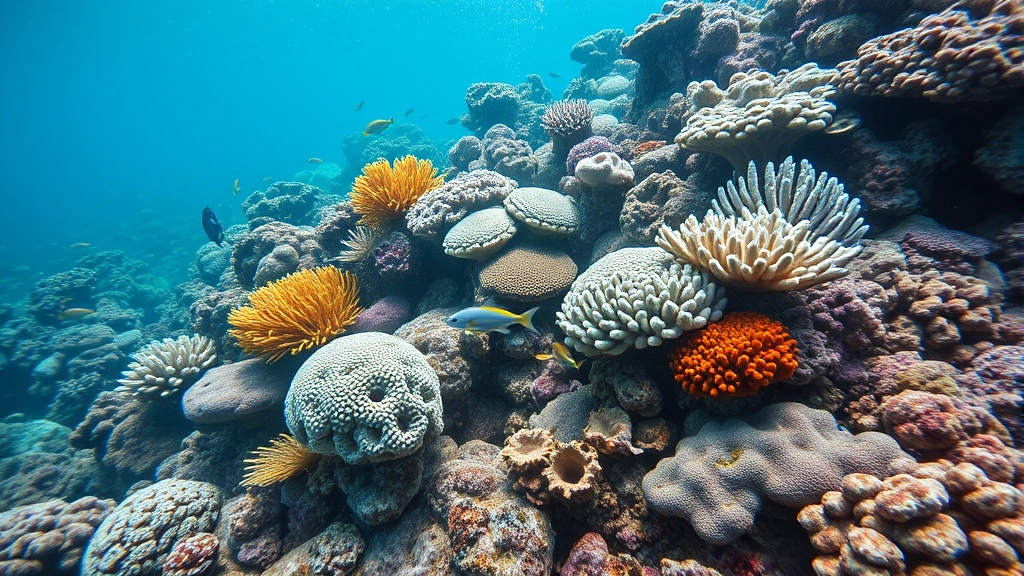
Scientists emphasize that climate change operates as a threat multiplier, exacerbating existing pressures on ecosystems already stressed by habitat loss and pollution. Coral reefs provide a stark illustration: warming ocean temperatures cause mass bleaching events where corals expel their symbiotic algae partners, leading to widespread mortality. The 2016 and 2020 global bleaching events destroyed unprecedented areas of reef, eliminating habitat for thousands of fish species and undermining food security for over one billion people dependent on reef fisheries.
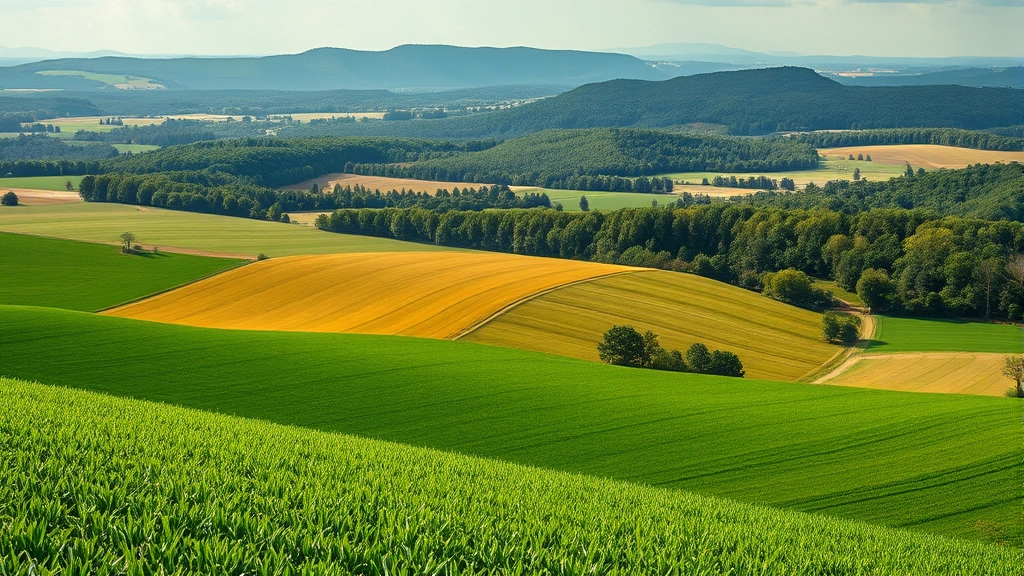
The economic implications are staggering. UNEP reports that climate-related disasters cost the global economy hundreds of billions of dollars annually in direct damages, with indirect costs through supply chain disruptions and resource scarcity creating additional economic stress. Agricultural productivity faces severe threats as temperature and moisture patterns shift beyond the ranges where current crop varieties thrive, potentially triggering food price volatility and social instability.
Reducing carbon footprint requires systemic transformation across energy, transportation, agriculture, and consumption sectors. How to reduce carbon footprint encompasses both individual actions and policy-level interventions. Scientists stress that individual behavior changes, while important symbolically and for building political will, must be paired with structural economic changes that make low-carbon options the default rather than the exception.
Biodiversity Loss: The Silent Collapse
While climate change dominates media attention, biodiversity loss may represent an equally profound threat to ecosystem stability and human wellbeing. Scientists document extinction rates currently occurring at 100 to 1,000 times background rates, indicating we are in the midst of Earth’s sixth mass extinction event. Unlike previous extinction events triggered by asteroid impacts or volcanic eruptions, this collapse results directly from human activities.
The primary drivers of biodiversity loss operate through habitat destruction, overexploitation, invasive species introduction, pollution, and climate change. Tropical rainforests, containing perhaps half of Earth’s species diversity, are being cleared at rates of thousands of hectares daily for cattle ranching, agriculture, and resource extraction. As habitat shrinks, species populations fragment into isolated groups unable to maintain genetic diversity or find mates, accelerating extinction spirals.
Ecosystem services depend fundamentally on biodiversity. Pollinator populations—wild bees, butterflies, birds—are crashing globally due to pesticide use, habitat loss, and disease, threatening food production for human populations. Soil microorganisms essential for nutrient cycling and crop productivity face disruption from agricultural chemical inputs. Genetic diversity within crop species is collapsing as industrial agriculture replaces traditional varieties, reducing resilience to climate variability and disease.
The economic value of biodiversity extends far beyond direct use values like timber or pharmaceutical compounds. Ecosystem stability itself—the capacity to maintain function through disturbances—depends on species diversity. Simplified ecosystems with few species are more vulnerable to collapse when environmental conditions shift. Yet conservation investments remain minuscule relative to exploitation, reflecting economic systems that undervalue ecosystem services and fail to incorporate extinction costs into decision-making.
Land Use Change and Habitat Fragmentation
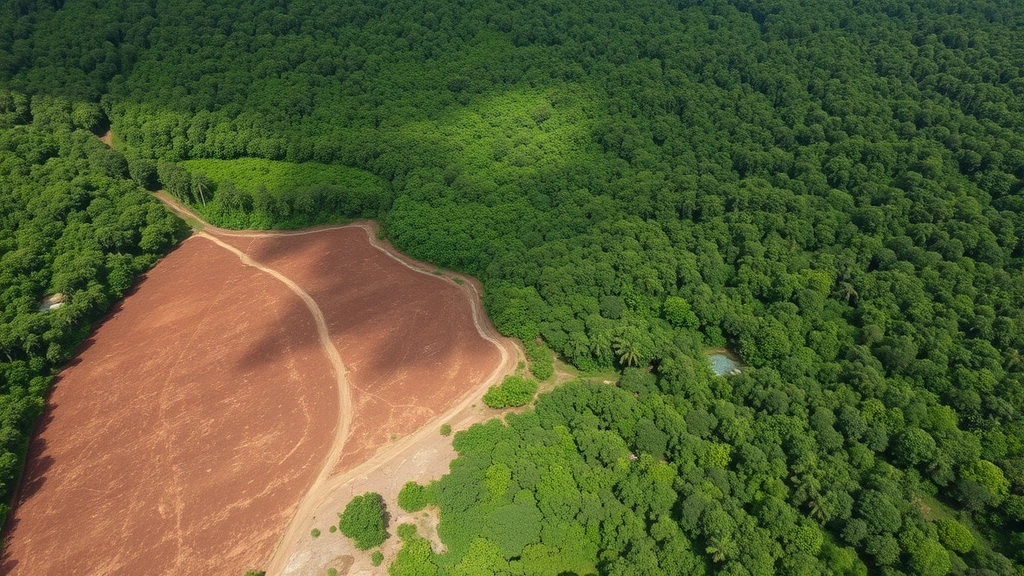
Land use transformation represents one of humanity’s most visible ecosystem impacts. Approximately 50% of Earth’s land surface has been converted from natural ecosystems to human-dominated landscapes including agriculture, urban areas, and infrastructure. This transformation fundamentally alters the physical and biological character of ecosystems, fragmenting continuous habitats into isolated patches incapable of supporting viable populations.
The definition of environment science encompasses understanding how physical alterations cascade through ecological systems. When forests are cleared for agriculture, remaining forest fragments become isolated islands surrounded by hostile human-dominated matrix. Large predators requiring extensive ranges disappear first, followed by specialized plant species unable to colonize open areas, and finally whole ecological communities collapse. Edge effects intensify as fragment perimeter increases relative to area, exposing interior species to wind, temperature, and invasive species pressures previously buffered by continuous forest.
Agricultural expansion drives most contemporary habitat loss, particularly in tropical regions where remaining wilderness contains highest biodiversity. Industrial agriculture replaces diverse native ecosystems with monocultures—single crop species across vast areas—devastating habitat heterogeneity that supports complex ecological communities. Livestock production, occupying roughly 77% of agricultural land while providing only 18% of global calories, represents particularly inefficient land use from ecosystem perspective.
Urban expansion fragments habitats in temperate regions, while infrastructure development—roads, dams, power lines—cuts through remaining wilderness, isolating populations and enabling invasive species spread. Scientists emphasize that habitat fragmentation effects persist and worsen long after initial clearing; edge effects intensify over decades as disturbed areas expand and fragment quality degrades through invasive species colonization and altered fire regimes.
Pollution’s Cascading Effects Through Food Webs
Chemical pollution represents a pervasive but often invisible human ecosystem impact, with contaminants now detected in every environment on Earth, from Antarctic ice to deep ocean sediments to human breast milk. Pesticide use, particularly synthetic organochlorines and neonicotinoids, decimates insect populations essential for pollination and as food base for higher trophic levels. Nitrogen and phosphorus fertilizer runoff creates vast oceanic dead zones where nutrient enrichment triggers algal blooms that decompose and consume all dissolved oxygen, suffocating fish and invertebrates.
Persistent organic pollutants accumulate in organism tissues and magnify through food webs; top predators accumulate concentrations millions of times higher than ambient environmental levels. Birds of prey experienced near-extinction in the mid-20th century when DDT bioaccumulation caused eggshell thinning. Contemporary studies document widespread endocrine disruption in wildlife populations—fish developing female reproductive tissues, amphibians experiencing developmental abnormalities, mammals showing reduced fertility—from exposure to synthetic chemicals mimicking natural hormones.
Plastic pollution has emerged as a distinctive modern ecosystem threat, with microplastics now ubiquitous throughout marine ecosystems, terrestrial soils, and freshwater systems. Organisms from zooplankton to whales ingest plastic particles, experiencing physical obstruction, chemical toxicity from plastic additives, and false satiation reducing nutrient intake. Microplastics transport persistent organic pollutants and heavy metals into organisms, concentrating toxins in food webs.
Heavy metals released through mining, industrial processes, and combustion contaminate ecosystems and bioaccumulate through food chains. Mercury from coal combustion deposits in aquatic systems where bacteria methylate it into highly toxic organic forms that accumulate in fish, eventually reaching human consumers. Lead persists in soils decades after pollution source elimination, continuing to poison children through soil ingestion and vegetable consumption.
Economic Frameworks and Ecological Consequences
Scientists increasingly recognize that ecosystem degradation patterns reflect not just technological capacity but fundamental economic structures that systematically undervalue environmental protection. Mainstream economic accounting treats ecosystem services as free goods with unlimited supply, failing to incorporate depletion costs into price signals. A timber company that clearcuts a forest generates immediate profit while externalized costs—lost carbon storage, diminished water filtration, reduced habitat—fall on society broadly rather than appearing on corporate balance sheets.
Ecological economics provides alternative frameworks recognizing that human economies are embedded within finite ecosystems with biophysical limits. Resources cannot be infinitely substituted; ecosystem services like pollination or flood regulation cannot be replaced by technology. Yet policy decisions continue reflecting neoclassical assumptions of infinite substitutability and growth possibilities, driving continued ecosystem overexploitation despite mounting evidence of biophysical constraints.
The Food and Agriculture Organization documents how agricultural subsidies in wealthy nations incentivize overproduction and environmental degradation while undermining farmer livelihoods in developing nations. Subsidized commodity prices fail to reflect true production costs including soil depletion, water depletion, and chemical pollution, making unsustainable practices artificially profitable. Carbon pricing mechanisms remain inadequate and inconsistently applied, failing to reflect true climate damages.
Renewable energy transition faces obstacles not from technology—solar and wind are now cost-competitive with fossil fuels in most markets—but from economic structures favoring incumbent fossil fuel industries. Renewable energy for homes a complete guide demonstrates technical feasibility, yet adoption remains limited by financing barriers and regulatory structures designed around centralized fossil fuel infrastructure.
Pathways to Sustainable Coexistence
Scientists emphasize that reversing ecosystem degradation requires transformation across multiple systems simultaneously. Climate stabilization demands rapid decarbonization of energy, transportation, and industrial systems—technically feasible but requiring political will to overcome incumbent resistance. Biodiversity conservation requires expanding protected areas to perhaps 30-50% of land surface while improving management of human-dominated landscapes to support wildlife.
Agricultural transformation toward agroecological systems that integrate livestock, crops, and perennial vegetation can maintain productivity while restoring soil health, sequestering carbon, and supporting biodiversity. Regenerative agriculture practices—cover cropping, reduced tillage, diverse rotations—rebuild soil organic matter depleted by industrial monoculture, enhancing climate resilience while reducing chemical input dependence. Sustainable fashion brands a comprehensive guide illustrates how consumption choices can align with ecological principles across economic sectors.
Economic restructuring toward circular models minimizing waste, prioritizing durability over disposability, and valuing ecosystem services in decision-making can decouple prosperity from environmental destruction. Extended producer responsibility shifting end-of-life costs to manufacturers incentivizes design for durability and recyclability. Carbon pricing that reflects true climate damages would make clean energy and efficiency investments immediately profitable.
Scientists stress that solutions require both systemic change and individual action working synergistically. Individual consumer choices—dietary shifts toward plant-based foods, reduced consumption, support for sustainable producers—build political constituencies for policy change while reducing personal environmental footprints. Community-level initiatives restoring local ecosystems, building urban greenspace, and developing local food systems create tangible examples of sustainable alternatives while improving quality of life.
The economic case for environmental protection strengthens continuously as ecosystem service valuation improves and climate damages mount. Nature-based solutions like mangrove restoration, wetland protection, and forest conservation often provide superior economic returns to conventional infrastructure while delivering multiple co-benefits including habitat restoration and community livelihood support.
FAQ
What is the primary way humans affect ecosystems?
Humans affect ecosystems through multiple interconnected pathways: habitat destruction for agriculture and development, climate change from greenhouse gas emissions, pollution including chemical contaminants and plastic waste, overexploitation of species through hunting and fishing, and introduction of invasive species. Habitat loss remains the single largest driver of biodiversity decline, but climate change increasingly operates as a threat multiplier exacerbating all other pressures.
How do scientists measure human ecosystem impact?
Scientists employ diverse methodologies including field surveys tracking species populations and ecosystem function, satellite monitoring documenting land use change and vegetation patterns, paleontological and ice core analysis revealing historical baselines, atmospheric and ocean chemistry measurements quantifying pollution levels, and computational modeling projecting future changes under various scenarios. Integrated assessments combine these approaches to evaluate cumulative impacts across spatial and temporal scales.
Can ecosystems recover from human damage?
Ecosystem recovery is possible but depends on damage severity, recovery timeline expectations, and whether damaging pressures continue. Protected forests can regain structural complexity over decades to centuries, supporting increasing biodiversity as succession progresses. However, recovery remains incomplete if invasive species persist or climate conditions have shifted beyond historical ranges. Some damages like species extinction are permanent; others like soil degradation can recover across human timescales if disturbance ceases and appropriate conditions are restored.
What role does individual action play in addressing ecosystem impacts?
Individual actions including dietary choices, consumption reduction, support for sustainable businesses, and political engagement create aggregate impacts while building social constituencies for systemic change. However, scientists emphasize that individual actions alone cannot address ecosystem crises requiring systemic transformation of energy, agricultural, and industrial systems. Individual responsibility must pair with policy advocacy demanding structural economic changes that make sustainable choices default rather than exceptional.
How do ecosystem impacts connect to economic systems?
Ecosystem degradation reflects economic structures that externalize environmental costs, treating ecosystem services as free infinite goods. Market prices fail to reflect true production costs including resource depletion and pollution. This creates systematic incentives for unsustainable practices despite mounting evidence of biophysical limits. Transitioning toward ecological economics frameworks that value ecosystem services and respect planetary boundaries can align economic incentives with environmental sustainability.


