
How Do Ecosystems Affect the Economy? Study Insights
The relationship between ecosystems and economic systems represents one of the most critical yet underexplored intersections in modern policy-making. While traditional economic models have long treated nature as an infinite resource available for extraction, contemporary research reveals a more complex reality: ecosystems are not merely environmental concerns but fundamental economic infrastructure. The collapse of fisheries, degradation of agricultural soils, and disruption of pollination services demonstrate that ecological decline directly translates to economic loss. Understanding these connections requires moving beyond conventional frameworks that separate environmental concerns from financial performance, recognizing instead that ecosystem health and economic prosperity are inextricably linked.
Recent studies from leading ecological economics institutions show that ecosystem services—the benefits humans derive from natural systems—contribute trillions of dollars annually to global GDP. Yet these contributions remain largely invisible in standard accounting practices, leading policymakers to make decisions that undervalue nature. This analytical gap has profound consequences, from deforestation that destroys long-term carbon storage capacity for short-term timber profits to agricultural intensification that depletes soil fertility essential for future productivity. The emerging field of ecosystem service valuation attempts to quantify these relationships, providing evidence that protecting nature often represents sound economic policy rather than a constraint on growth.
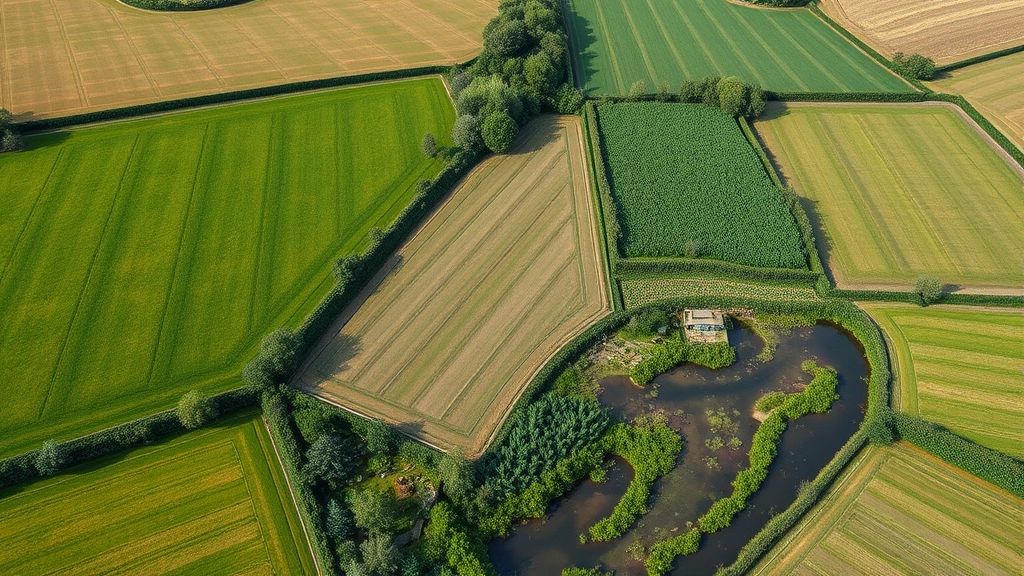
Ecosystem Services Valuation and Economic Impact
Ecosystem services encompass four primary categories: provisioning services (food, water, raw materials), regulating services (climate regulation, pollination, disease control), supporting services (nutrient cycling, soil formation), and cultural services (recreation, spiritual value, aesthetic appreciation). The United Nations Environment Programme estimates that the global economy depends on approximately $125 trillion in ecosystem service value, yet this figure remains largely absent from investment decisions and policy frameworks.
Provisioning services directly generate commercial value. Fisheries contribute over $150 billion annually to global economies, supporting employment for approximately 260 million people. However, 90% of global fish stocks are either fully exploited or overexploited, creating a scenario where short-term economic extraction undermines long-term productive capacity. Similarly, pollination services—primarily delivered by wild bee populations and managed honeybees—are valued at $15-20 billion annually in North America alone, yet agricultural intensification continues to destroy pollinator habitat through pesticide application and monoculture expansion.
Regulating services present even more substantial economic implications. Forest ecosystems sequester carbon worth an estimated $2-5 trillion in climate mitigation value over their lifetime, yet they are regularly converted to agriculture or development for projects worth a fraction of this amount. Wetlands regulate water flow, preventing flooding that costs economies $100+ billion annually in damages. Mangrove forests protect coastal communities from storms while supporting fisheries, yet continue to be destroyed for aquaculture and development despite their demonstrated economic value. When these regulating services collapse, economies bear the costs through disaster recovery, healthcare expenditures, and productivity losses.
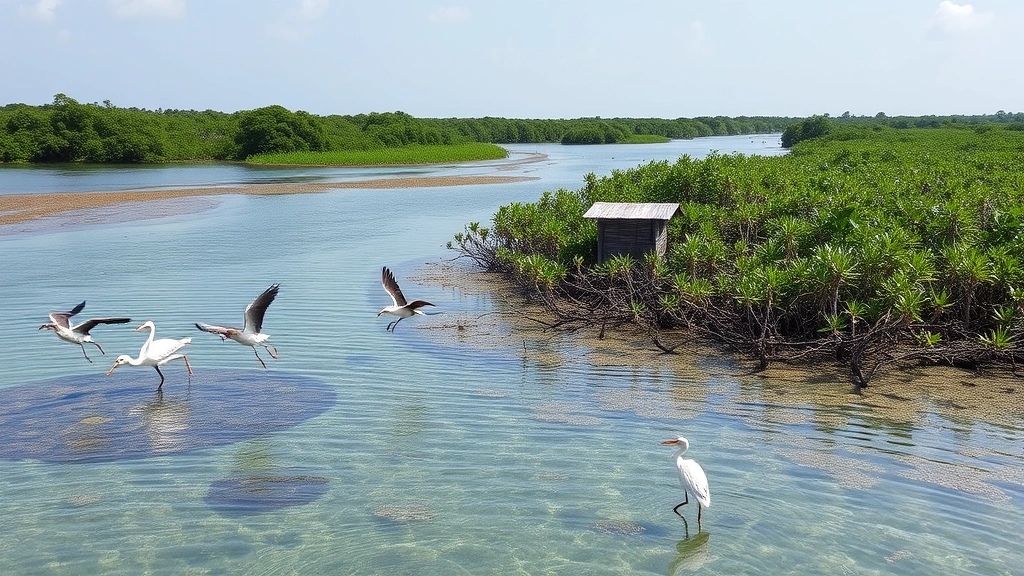
Biodiversity’s Role in Economic Resilience
Economic resilience—the capacity to withstand shocks and maintain productivity—depends fundamentally on biodiversity. Diverse ecosystems demonstrate greater resistance to pests, diseases, and climate variability. Agricultural systems dependent on genetic diversity show higher yields and greater stability across varying environmental conditions compared to monocultures. The World Bank research demonstrates that countries with intact ecosystems experience lower agricultural productivity volatility and reduced economic shock from climate events.
Consider pharmaceutical development: approximately 25% of modern pharmaceuticals derive from plants, yet only 1% of tropical plants have been screened for medicinal properties. The economic value of undiscovered pharmaceutical compounds potentially exceeds $500 billion, yet species extinction proceeds at rates 100-1,000 times above background levels, destroying this potential value before discovery. Genetic diversity in crop wild relatives provides resistance traits essential for adapting agriculture to climate change, with estimated value of $5+ billion annually in crop productivity maintenance.
Supply chain resilience increasingly depends on ecosystem health. The 2011 Thai flooding disrupted global semiconductor and automotive production, costing the global economy an estimated $50 billion, partly due to degraded watershed management. Biodiversity loss in pollinator populations created agricultural supply disruptions affecting honey, almonds, and other crops valued at billions annually. Economic modeling reveals that diversified natural systems provide insurance value equivalent to 5-15% of annual production value, insurance that disappears as ecosystems simplify and homogenize.
The relationship between ecosystem diversity and economic productivity extends to labor productivity and human health. Green spaces reduce healthcare costs through mental health improvements, physical activity promotion, and air quality enhancement. Research indicates that employees working in environments with natural elements show 15% higher productivity and take 40% fewer sick days. Urban forests in major cities provide cooling services reducing energy consumption for air conditioning by 2-8%, saving municipalities millions annually while improving public health outcomes.
Natural Capital Accounting Systems
Traditional GDP measurements exclude ecosystem degradation, creating a statistical illusion of economic growth even when natural capital depletes. A nation could clearcut all forests, fish all oceans, and deplete aquifers, recording this destruction as economic gain while the actual capital base shrinks. Natural capital accounting attempts to correct this fundamental accounting error by measuring ecosystem stocks and flows alongside conventional economic indicators.
The World Bank’s environmental accounting framework demonstrates that when ecosystem degradation is properly measured, many developing nations’ reported GDP growth disappears entirely. Indonesia’s rapid deforestation, while appearing profitable in GDP terms, destroyed natural capital worth $4-6 billion annually. When adjusted for natural capital depletion, Indonesia’s economic growth rates were 30-50% lower than conventionally reported. This accounting gap creates perverse incentives, rewarding the liquidation of natural assets rather than their sustainable management.
Implementation of natural capital accounting reveals the true economic costs of environmental degradation. Costa Rica’s payment for ecosystem services program demonstrates that when forests are valued for carbon storage, watershed protection, and biodiversity, conservation generates more economic value than conversion to cattle ranching or agriculture. The program has maintained forest cover above 50% while generating sustainable income, contrasting sharply with neighboring countries where deforestation accelerated despite short-term economic gains.
Water accounting systems illustrate the practical importance of natural capital measurement. The Aral Sea collapse—driven by unsustainable water extraction for irrigation—destroyed fisheries worth $1+ billion annually, eliminated a climate-regulating water body, and created an ecological disaster costing health systems billions in treating respiratory diseases. Proper water accounting would have revealed that the irrigation benefits ($2-3 billion) were far outweighed by the destruction of natural capital ($10+ billion in fisheries, health, and climate services alone).
Sectoral Economic Impacts of Ecosystem Decline
Agriculture represents the sector most directly dependent on ecosystem services, yet faces accelerating ecosystem degradation. Soil degradation costs the global economy $400+ billion annually in lost productivity. Soil erosion in the United States alone costs $44 billion annually in lost productivity and water quality degradation. When farmers transition to regenerative agriculture practices that enhance soil health and biodiversity, yields stabilize and resilience improves, yet conventional accounting fails to capture the natural capital accumulation occurring through these practices.
The tourism and recreation sector generates $1.7 trillion annually, almost entirely dependent on ecosystem quality. Coral reef degradation threatens $375 billion in tourism and fisheries value across the Indo-Pacific region. Mountain ecosystems supporting skiing, hiking, and cultural tourism face degradation from climate change and overuse, yet investment in ecosystem restoration typically generates 3-5x return through enhanced tourism revenue and avoided disaster costs. The UNEP estimates that ecosystem restoration investments generate $7-15 in economic returns for every dollar invested across tourism, agriculture, and disaster prevention sectors.
Water supply sectors face mounting costs from ecosystem degradation. Eutrophication from agricultural runoff and urban pollution requires expensive water treatment costing municipalities $1-3 billion annually in developed nations alone. Watershed protection through forest conservation costs 10-50% less than conventional water treatment infrastructure while providing additional ecosystem services. New York City’s investment in Catskill watershed protection ($1-2 billion) provided cleaner water at half the cost of building treatment facilities, while simultaneously maintaining recreational value, biodiversity, and carbon sequestration capacity.
Energy production increasingly depends on ecosystem services. Hydroelectric systems providing 16% of global electricity depend on watershed health and water availability threatened by climate change and deforestation. Thermoelectric power plants (nuclear, coal, natural gas) require enormous water volumes for cooling, with costs rising as water availability declines due to ecosystem degradation and climate change. Renewable energy deployment itself depends on ecosystem services: wind farms require functioning atmospheric circulation patterns, solar installations compete with agricultural land, and all energy infrastructure impacts soil and water ecosystems.
Policy Integration and Economic Incentives
Effective policy integration requires embedding ecosystem value into economic decision-making frameworks. Payment for ecosystem services programs create direct economic incentives for conservation. Costa Rica’s program has protected forests while generating sustainable income for rural communities. Environmental and Natural Resources Trust Fund renewal initiatives demonstrate how dedicated funding mechanisms can align economic and ecological objectives.
Carbon pricing mechanisms attempt to value climate regulation services, though current prices ($10-50 per ton CO2) remain far below the estimated social cost of carbon ($50-200 per ton). Even at conservative valuations, carbon pricing reveals that emissions reductions often generate net economic benefits through avoided health costs, improved agricultural productivity, and reduced disaster expenses. Renewable energy investments that reduce emissions typically show positive returns within 5-10 years when health and ecosystem service benefits are properly accounted.
The concept of reducing carbon footprint extends beyond individual action to structural economic transformation. Sectors from sustainable fashion brands to renewable energy for homes demonstrate market mechanisms enabling ecosystem-positive choices. When ecosystem costs are internalized through pricing or regulation, consumer preferences and investment flows shift dramatically toward sustainable alternatives.
Biodiversity offsetting and habitat banking programs attempt to maintain ecosystem function through market mechanisms, though effectiveness remains debated. The most successful programs combine regulatory requirements with financial incentives, ensuring that development impacts are genuinely offset through restoration of equivalent or superior habitat. Research on natural pest control methods demonstrates how ecosystem-based approaches often prove more cost-effective than chemical alternatives while providing additional benefits through habitat preservation.
Trade policy increasingly incorporates ecosystem considerations. Import regulations on products from unsustainably managed ecosystems create market incentives for conservation. Certification programs for sustainable forestry, fishing, and agriculture allow consumers to support ecosystem protection through purchasing decisions. These mechanisms remain imperfect but demonstrate growing recognition that trade policy profoundly shapes ecosystem outcomes and therefore long-term economic performance.
Visit our comprehensive blog featuring economy and ecosystem analysis for deeper exploration of these interconnections and emerging policy solutions.
FAQ
What is the total economic value of global ecosystem services?
Research estimates global ecosystem services value at $125-145 trillion annually, with provisioning services (food, water) worth approximately $10 trillion, regulating services (climate, pollination) worth $60-80 trillion, and supporting/cultural services worth $35-50 trillion. These figures remain estimates due to methodological challenges in valuing non-market services, but all approaches confirm that ecosystem services exceed global GDP multiple times over.
How do ecosystem services translate to specific economic sectors?
Ecosystem services support all economic sectors, though impacts vary. Agriculture depends entirely on soil formation, pollination, and water regulation. Tourism depends on biodiversity and scenic beauty. Fisheries depend on ocean ecosystem health. Energy production depends on water availability and climate stability. Manufacturing depends on material provisioning. Insurance and financial sectors face growing risks from ecosystem degradation. When ecosystems decline, all sectors experience cost increases through reduced productivity, increased input costs, and disaster management expenses.
Why aren’t ecosystem services included in GDP calculations?
Conventional GDP measurement only captures market transactions, excluding non-market services like pollination, water purification, and climate regulation. This reflects historical assumptions that natural resources were infinite and free. Modern ecological economics argues for natural capital accounting that treats ecosystem services like conventional capital assets. Several nations now produce satellite accounts measuring ecosystem services alongside GDP, revealing that conventional growth measures significantly overstate economic progress when natural capital depletion is ignored.
What is the relationship between biodiversity and economic productivity?
Research demonstrates positive correlations between biodiversity and economic resilience across multiple sectors. Diverse ecosystems show greater resistance to pests, diseases, and climate variability. Agricultural systems incorporating crop diversity show higher average yields and lower yield volatility. Diverse financial portfolios outperform concentrated ones during market volatility, paralleling ecosystem dynamics. Diverse supply chains prove more resilient to disruptions. This suggests that biodiversity provides economic insurance value worth 5-15% of production value in most sectors.
Can ecosystem restoration generate positive economic returns?
Yes, extensive research demonstrates that ecosystem restoration typically generates 3-15x economic returns depending on the ecosystem and metrics measured. Wetland restoration provides flood protection, water purification, and fisheries support worth $50,000-150,000 per hectare annually. Forest restoration provides carbon sequestration, water regulation, and biodiversity support worth $10,000-50,000 per hectare annually. Coral reef restoration provides fisheries and tourism support worth $100,000-500,000 per hectare annually. These returns accrue over decades, requiring patient capital but ultimately providing superior returns to ecosystem conversion.
How do climate change and ecosystem degradation interact economically?
Ecosystem degradation reduces adaptive capacity, increasing climate change vulnerability and costs. Deforestation reduces carbon sinks, accelerating climate change while eliminating the ecosystem’s own climate-buffering capacity. Wetland loss eliminates flood buffering capacity just as climate change increases flood frequency. Agricultural soil degradation reduces drought resilience precisely as climate change increases drought frequency. This creates compounding economic impacts where ecosystem degradation and climate change mutually reinforce costs. Conversely, ecosystem restoration builds climate resilience while reducing emissions, providing dual economic and climate benefits.


