
Securing Economy & Ecosystems: Top Agency Roles in National Environment Jobs
National environment agencies represent the institutional backbone of sustainable development, bridging the critical intersection where economic policy meets ecological stewardship. These organizations employ thousands of professionals across diverse disciplines—from environmental economists and policy analysts to field scientists and compliance officers—all working toward the fundamental goal of preserving natural capital while enabling economic prosperity. The roles within these agencies have evolved dramatically over the past two decades, reflecting growing recognition that environmental degradation imposes substantial economic costs that conventional GDP measurements fail to capture.
The significance of national environment agency jobs extends far beyond individual career opportunities. These positions directly influence how nations manage their most valuable assets: freshwater systems, forests, fisheries, and atmospheric composition. Professionals in these roles shape regulatory frameworks, conduct environmental impact assessments, enforce pollution standards, and design economic instruments like carbon pricing mechanisms. According to recent data from the International Labour Organization, the environmental sector is projected to create millions of jobs globally through 2030, with national environmental agencies serving as primary employers and standard-setters for this expanding workforce.
Understanding the landscape of national environment agency employment requires examining both the structural roles these institutions play and the specific career pathways they offer. This comprehensive guide explores the top positions, required qualifications, and the profound impact these agencies exert on the relationship between economic systems and natural ecosystems.
Understanding National Environmental Agencies
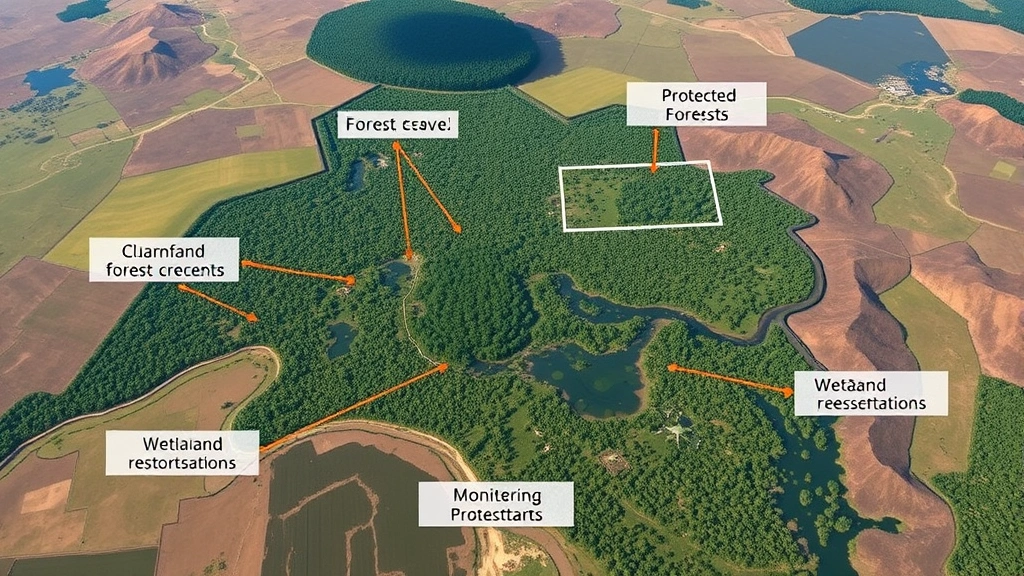
National environment agencies function as governmental bodies responsible for formulating, implementing, and enforcing environmental policies within their jurisdictions. These institutions typically operate under environmental ministries or departments and coordinate with international bodies like the United Nations Environment Programme to align domestic policies with global sustainability commitments. Their mandates generally encompass air quality management, water resource protection, biodiversity conservation, waste management, pollution control, and increasingly, climate change mitigation and adaptation.
The organizational structure of national environment agencies varies significantly across countries, but most maintain specialized divisions addressing distinct environmental domains. Some agencies operate centralized models where all environmental functions report to a single director, while others employ federated structures with semi-autonomous regional offices. This organizational complexity creates diverse employment opportunities, as each division requires distinct expertise and professional backgrounds. The meaning of human environment interaction fundamentally shapes how these agencies approach their work, recognizing that environmental outcomes depend heavily on human behavior, economic incentives, and institutional design.
The economic dimension of environmental management has become increasingly central to agency operations. Modern environmental agencies employ ecological economists who quantify the monetary value of ecosystem services, calculate the costs of environmental degradation, and design market-based policy instruments. This integration of economic analysis with environmental science represents one of the most significant shifts in how national agencies approach their missions, creating robust career opportunities for professionals with interdisciplinary training.
Core Administrative and Leadership Positions
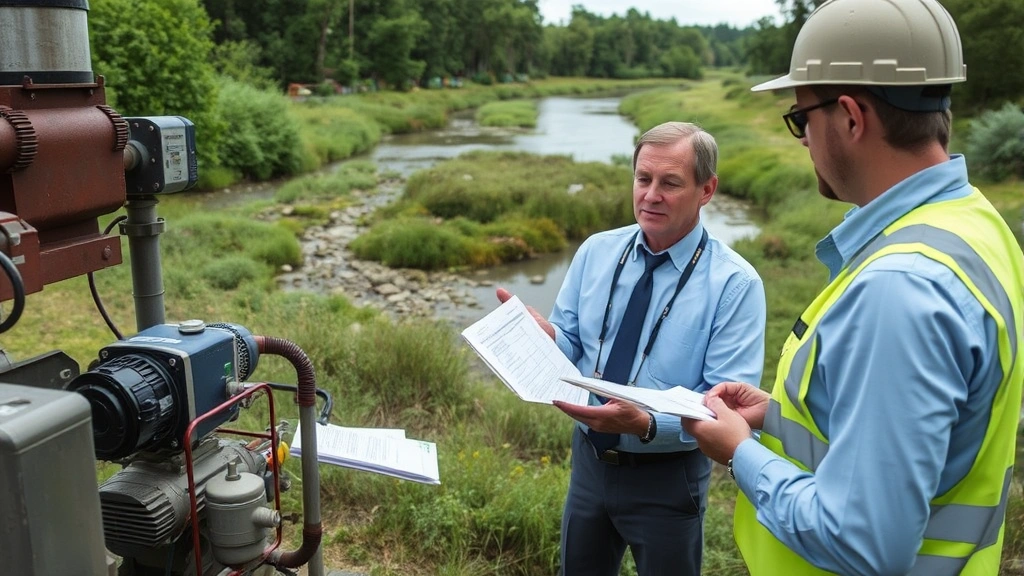
Leadership and administrative roles within national environment agencies shape the strategic direction and operational effectiveness of these institutions. The agency director or administrator typically serves as the principal executive officer, responsible for budget management, staff oversight, policy development, and representation before legislative bodies and international forums. These positions usually require advanced degrees in environmental science, policy, law, or related fields, combined with substantial professional experience and demonstrated leadership capability. Directors must navigate complex political environments, balancing environmental protection imperatives with economic development pressures.
Deputy directors and divisional heads occupy critical middle-management positions, overseeing specific functional areas such as air quality, water resources, or biodiversity conservation. These roles demand both technical expertise in their respective domains and administrative acumen for managing budgets, personnel, and interagency coordination. Many agencies employ separate positions for scientific directors and administrative directors, recognizing that technical credibility and management expertise represent distinct skill sets. Environmental compliance directors oversee enforcement operations, managing inspector networks and prosecution of violations. These positions require understanding of environmental law, regulatory frameworks, and investigative procedures.
Communications and public affairs directors manage agency messaging, stakeholder engagement, and transparency initiatives. As environmental agencies increasingly face scrutiny from both conservation advocates and industry representatives, skilled communicators become invaluable for explaining complex technical decisions to diverse audiences. Budget and finance officers manage substantial agency resources, ensuring efficient allocation toward priority programs. Many agencies also employ legal counsel specializing in environmental law, administrative procedure, and international environmental agreements. These positions typically require law degrees with specialization in environmental law and experience navigating regulatory processes.
Environmental Policy and Economics Roles
Policy analysts represent the intellectual core of national environment agencies, translating scientific evidence and economic analysis into actionable regulatory frameworks. These professionals conduct cost-benefit analyses of proposed environmental regulations, assess the distributional impacts of policies across different economic sectors and demographic groups, and design policy mechanisms that achieve environmental goals with minimal economic disruption. The position requires strong quantitative skills, familiarity with policy evaluation methodologies, and understanding of both environmental science and economics. Many policy analyst roles now emphasize how to reduce carbon footprint through regulatory design, reflecting the urgency of climate change mitigation.
Environmental economists occupy increasingly prominent positions within national agencies, applying economic theory and empirical methods to environmental challenges. These professionals conduct natural capital accounting—quantifying the economic value of forests, wetlands, fisheries, and other ecosystems—which enables governments to incorporate environmental assets into national accounting systems. Ecological economists working in government agencies often specialize in payment for ecosystem services, designing mechanisms where beneficiaries of environmental functions compensate those who maintain them. The World Bank’s environmental economics initiatives demonstrate how government economists can influence national policy toward sustainable development pathways.
Climate change specialists have become essential across all major national environment agencies, as countries develop and implement nationally determined contributions under the Paris Agreement. These professionals assess climate vulnerability, design mitigation strategies, and develop adaptation plans. Their work bridges climate science, energy economics, and development planning, requiring expertise across multiple domains. Renewable energy specialists increasingly populate agency roles, particularly as nations transition away from fossil fuels. These professionals evaluate renewable energy potential, assess grid integration challenges, and design policies supporting clean energy deployment. Understanding renewable energy for homes provides foundational knowledge applicable to broader energy policy design.
Regulatory affairs specialists manage the complex process of developing, implementing, and updating environmental regulations. They coordinate with industry stakeholders, environmental organizations, and other government agencies to develop technically sound and politically feasible regulations. These positions require deep knowledge of specific environmental domains, understanding of regulatory procedures, and strong stakeholder engagement skills. Environmental impact assessment coordinators review development projects to identify potential environmental consequences and recommend mitigation measures, occupying critical gatekeeping positions in the approval process for infrastructure, industrial, and extractive projects.
Field Operations and Compliance Careers
Environmental inspectors and compliance officers conduct on-site investigations of industrial facilities, agricultural operations, construction sites, and other potential pollution sources. These field-based positions require technical knowledge of environmental standards, sampling and monitoring procedures, and investigative techniques. Inspectors document violations, collect evidence for enforcement actions, and work with facility operators to achieve compliance. The position demands both technical competence and interpersonal skills, as inspectors must explain requirements to often-resistant facility managers while maintaining professional objectivity. Many agencies employ specialized inspectors for air quality, water pollution, hazardous waste, and other domains.
Environmental monitoring technicians operate sophisticated equipment that measures air quality, water quality, soil contamination, and other environmental parameters. These positions form the empirical foundation for environmental management, generating the data that informs policy decisions and enforcement actions. Technicians must understand sampling protocols, quality assurance procedures, and data management systems. Many agencies employ networks of monitoring stations across their territories, requiring technicians distributed across regions. This geographic distribution creates employment opportunities in rural and remote areas, contributing to economic development beyond major urban centers.
Field scientists and biologists employed by national agencies conduct research on wildlife populations, ecosystem health, invasive species, and habitat restoration. These positions combine scientific research with practical conservation management, allowing professionals to apply ecological knowledge to real-world problems. Park rangers and protected area managers oversee national parks, nature reserves, and other protected lands, balancing conservation objectives with public access and economic uses. These positions require field skills, ecological knowledge, and often law enforcement capabilities to prevent poaching and illegal resource extraction.
Pollution response specialists manage environmental emergencies including oil spills, chemical releases, and other acute contamination events. These high-stress positions require rapid decision-making, coordination with multiple agencies, and technical knowledge of remediation techniques. Environmental remediation specialists design and oversee cleanup of contaminated sites, applying engineering and scientific expertise to restore polluted locations to productive use. These specialized positions command premium compensation reflecting their technical demands and critical importance.
Research and Technical Specializations
National environment agencies increasingly maintain research divisions employing scientists across multiple disciplines. Environmental microbiologists study pathogens in water systems, develop treatment technologies, and assess public health risks from waterborne contamination. Chemists analyze pollutants, develop detection methods, and assess chemical hazards. Hydrologists study water movement through ecosystems, model groundwater contamination, and assess water availability under climate change scenarios. Soil scientists examine soil health, contamination, and productivity, informing land management decisions.
Air quality scientists model atmospheric chemistry, assess health impacts of air pollution, and evaluate effectiveness of emission control strategies. Many agencies employ toxicologists who assess health risks from chemical exposures and recommend safe exposure limits. Ecologists study species interactions, ecosystem functions, and biodiversity patterns, providing scientific foundations for conservation planning. Environmental epidemiologists investigate relationships between environmental exposures and human health outcomes, generating evidence that motivates environmental protection.
Geographic information systems (GIS) specialists have become indispensable across modern environmental agencies, mapping environmental features, modeling spatial relationships, and visualizing data for decision-making. Remote sensing specialists use satellite and aerial imagery to monitor environmental conditions across large areas, tracking deforestation, urban expansion, and other landscape changes. Data scientists increasingly populate agency positions, applying machine learning and advanced analytics to environmental datasets. The blog home at ecorisedaily.com provides context for how environmental information reaches diverse audiences.
Emerging Sectors and Future Opportunities
Circular economy specialists represent an emerging role within national environment agencies, designing policies that promote product reuse, material recovery, and waste minimization. As nations recognize that linear take-make-waste economic models prove environmentally unsustainable, agencies increasingly employ professionals who understand circular business models and can design supporting policies. These roles bridge traditional waste management with broader economic transformation.
Nature-based solutions specialists design and implement approaches that harness ecosystem functions to address environmental challenges. Mangrove restoration, wetland creation, and forest conservation can simultaneously provide carbon sequestration, flood protection, and biodiversity benefits. These positions require understanding of ecology, engineering, and social dimensions of conservation, as successful nature-based solutions depend on community engagement and sustainable financing.
Environmental justice specialists work to ensure that environmental policies and projects distribute benefits and burdens equitably across demographic groups. These professionals conduct equity analysis of proposed policies, engage marginalized communities in decision-making, and advocate for distributional fairness in environmental outcomes. This role reflects growing recognition that environmental protection fails if it exacerbates inequality or excludes disadvantaged populations from decision-making.
Just transition specialists help workers and communities dependent on fossil fuel industries adapt to clean energy transitions. These positions require understanding of labor economics, community development, and energy systems, enabling agencies to design transition pathways that protect workers while advancing climate goals. Blue economy specialists focus on sustainable marine resource management, fisheries policy, and coastal development, addressing the unique challenges of ocean-dependent economies.
Qualifications and Career Development
Educational pathways into national environment agency careers typically begin with bachelor’s degrees in environmental science, ecology, biology, chemistry, geology, engineering, economics, or policy studies. Specialized positions increasingly require master’s degrees, particularly for policy, research, and leadership roles. Graduate programs in environmental management, environmental economics, environmental law, and ecological engineering provide targeted preparation for agency careers. Many agencies prefer candidates with interdisciplinary training combining natural sciences with social sciences or engineering.
Professional certifications enhance career prospects in specific domains. Environmental professionals can pursue certifications as environmental professionals (PEP), environmental compliance managers, or in specialized fields like environmental impact assessment. Many countries operate civil service examination systems through which candidates qualify for government positions, requiring preparation in environmental policy and law specific to their jurisdictions.
Career advancement within national environment agencies typically follows structured pathways, with entry-level positions requiring bachelor’s degrees, mid-career positions requiring master’s degrees and several years of experience, and leadership positions requiring advanced degrees combined with substantial professional achievement. Many agencies promote from within, allowing early-career professionals to develop expertise across multiple environmental domains as they advance. Lateral movement between agencies, the private sector, and non-governmental organizations characterizes many environmental careers, with professionals gaining diverse perspectives through varied organizational contexts.
Continuing professional development remains essential throughout environmental careers, as scientific understanding, regulatory frameworks, and policy approaches continuously evolve. Agencies often support staff participation in professional conferences, training programs, and advanced degree completion. International experience increasingly enhances career prospects, as environmental professionals benefit from exposure to different regulatory approaches, technologies, and conservation strategies. Many national agencies facilitate staff exchange programs with international partners, enabling professionals to develop global networks while learning comparative approaches to environmental management.
The environment quotes that inspire environmental professionals often emphasize the interconnection between human wellbeing and ecosystem health, reflecting the fundamental motivation driving careers in environmental agencies. Understanding sustainable fashion brands and other sustainability initiatives demonstrates how environmental principles extend across economic sectors, informing the comprehensive approach national agencies must employ.
Compensation for national environment agency positions varies considerably by country, position level, and specific role. Entry-level positions typically offer modest salaries reflecting government employment norms, while specialized positions command competitive compensation. Many countries offer government employees benefits packages including health insurance, pension systems, and job security that offset moderate salary levels. Non-monetary rewards—including meaningful work addressing critical challenges, professional respect within environmental communities, and opportunity to influence policy—attract many professionals despite competitive private-sector opportunities.
FAQ
What qualifications do I need for national environment agency jobs?
Most entry-level positions require bachelor’s degrees in environmental science, biology, chemistry, engineering, economics, or policy studies. Advanced positions typically require master’s degrees and several years of professional experience. Specific positions may require professional certifications, law degrees, or specialized technical training. Many agencies conduct civil service examinations to assess candidates’ knowledge of environmental policy and regulations.
What is the job outlook for environmental agency positions?
The International Labour Organization projects substantial growth in environmental sector employment through 2030, with national agencies as primary employers. Climate change mitigation, pollution control, and biodiversity conservation create ongoing demand for skilled professionals. Many countries are increasing environmental agency budgets and staffing as environmental challenges intensify and policy ambitions expand.
How do environmental agency careers differ from private sector environmental jobs?
National agency positions emphasize policy development, regulation, and public interest, while private sector roles often focus on compliance or commercial environmental services. Agency work provides influence over policy direction and broader environmental outcomes, though compensation may be lower. Government positions typically offer greater job security and benefits, while private sector roles offer potentially higher salaries and faster advancement.
Can I transition between national agencies and other environmental organizations?
Yes, environmental careers frequently involve movement between government agencies, non-governmental organizations, academic institutions, and the private sector. This mobility allows professionals to gain diverse perspectives and experience. Many environmental leaders have worked across multiple organizational types, developing comprehensive understanding of how different institutions approach environmental challenges.
What are the most in-demand positions in national environment agencies?
Climate change specialists, environmental economists, GIS specialists, and environmental engineers represent particularly in-demand positions as agencies prioritize climate action and data-driven decision-making. Positions in environmental compliance, monitoring, and field operations remain consistently important. Emerging roles in circular economy, nature-based solutions, and environmental justice are growing as agencies adopt broader sustainability approaches.
How important is international experience for environmental agency careers?
International experience increasingly enhances career prospects, enabling professionals to understand comparative regulatory approaches, learn innovative technologies, and develop global networks. Many agencies support staff participation in international programs and facilitate exchange opportunities. However, strong domestic expertise and understanding of local environmental contexts remain essential for effective policy implementation.


