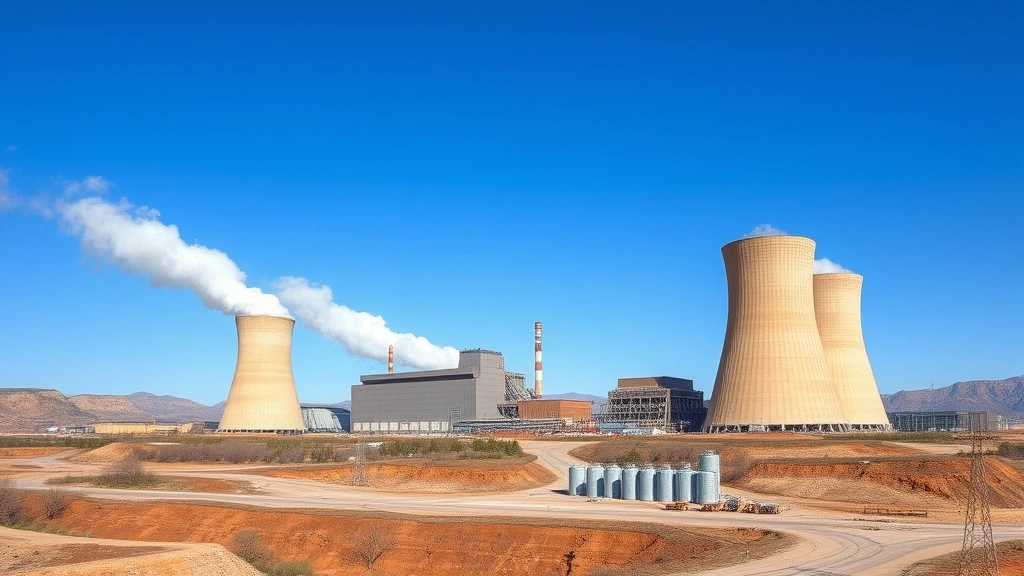
Fossil Fuels & Environment: A Scientific Overview
The combustion of fossil fuels—coal, petroleum, and natural gas—represents one of the most significant environmental challenges of our time. Since the Industrial Revolution, humanity has relied heavily on these carbon-dense energy sources to power economies, transportation systems, and industrial processes. However, this dependence comes with profound environmental consequences that extend far beyond simple air pollution. The scientific evidence overwhelmingly demonstrates that fossil fuel consumption drives climate change, degrades ecosystems, contaminates water and soil, and threatens biodiversity at unprecedented scales.
Understanding the full scope of fossil fuel impacts requires examining multiple interconnected pathways through which energy extraction, processing, and combustion affect natural systems. From greenhouse gas emissions that alter planetary climate patterns to localized pollution that damages human health and ecosystem integrity, fossil fuels create cascading environmental damage across temporal and spatial scales. This comprehensive overview synthesizes current scientific knowledge about these impacts, explores the mechanisms through which they operate, and considers implications for environmental policy and economic transition.
Climate Change and Greenhouse Gas Emissions
The primary environmental impact of fossil fuel combustion is the emission of carbon dioxide (CO₂), methane (CH₄), and nitrous oxide (N₂O)—potent greenhouse gases that trap heat in Earth’s atmosphere. When coal, oil, or natural gas burn, carbon that has been sequestered underground for millions of years rapidly enters the atmosphere, disrupting the planet’s radiative balance. According to the Intergovernmental Panel on Climate Change, fossil fuel combustion accounts for approximately 75% of global greenhouse gas emissions.
The atmospheric CO₂ concentration has increased from 280 parts per million during pre-industrial times to over 420 ppm today—a level not seen in three million years. This rapid increase drives measurable warming: global average temperatures have risen approximately 1.1°C since 1850, with most warming occurring in recent decades. This temperature increase triggers cascading climate impacts including altered precipitation patterns, intensified extreme weather events, sea level rise, and disruptions to agricultural productivity. The World Bank estimates that without aggressive emissions reduction, climate change could push millions into poverty and reduce global GDP by 10% by 2100.
Methane emissions from fossil fuel extraction—particularly from natural gas operations and coal mining—represent a significant but often underestimated climate forcing. Methane possesses a global warming potential approximately 28-34 times greater than CO₂ over a 100-year timeframe, making even small leakage rates from fossil fuel infrastructure climatically significant. Coal mining releases methane from coal seams, while oil and gas operations release fugitive emissions during extraction, processing, and transport. These non-CO₂ greenhouse gases amplify climate forcing beyond the direct combustion emissions typically emphasized in climate accounting.
Air Quality and Human Health Impacts
Beyond climate forcing, fossil fuel combustion generates particulate matter, nitrogen oxides (NOₓ), sulfur dioxide (SO₂), and volatile organic compounds that degrade air quality and cause immediate health effects. The World Health Organization estimates that outdoor air pollution causes approximately 4.2 million premature deaths annually, with fossil fuel combustion responsible for a substantial portion of this burden. Fine particulate matter (PM2.5) penetrates deep into the respiratory system, triggering cardiovascular disease, respiratory infections, and lung cancer.
Coal combustion produces particularly severe air pollution due to its sulfur and heavy metal content. When coal burns, sulfur oxidizes to SO₂, which combines with atmospheric moisture to form sulfuric acid aerosols. These acidic particles cause acid rain, damaging forests and aquatic ecosystems across regions downwind of coal-fired power plants. Mercury and other toxic heavy metals released during coal combustion bioaccumulate in ecosystems, eventually reaching human food chains and causing neurological damage, particularly in developing fetuses.
Transportation represents another major source of fossil fuel-related air pollution. Vehicular emissions of NOₓ contribute to ground-level ozone formation, a respiratory irritant that impairs lung function even at relatively low concentrations. Children in high-traffic areas experience elevated rates of asthma and reduced lung function development. Low-income communities and communities of color disproportionately experience exposure to transportation pollution, creating environmental justice dimensions to fossil fuel impacts. Learn more about how to reduce carbon footprint through transportation choices.
Water Pollution and Contamination
Fossil fuel extraction and processing contaminate both surface and groundwater through multiple pathways. Coal mining generates acid mine drainage—sulfide minerals in exposed coal seams oxidize when contacted by water, producing sulfuric acid that mobilizes heavy metals including iron, aluminum, and manganese. This acidified, metal-laden water flows into streams and rivers, rendering them uninhabitable for aquatic life and unsuitable for human consumption across vast downstream regions.
Oil extraction and refining release hydrocarbons, heavy metals, and produced water containing dissolved salts and radioactive elements into aquatic environments. Hydraulic fracturing (fracking) for oil and natural gas injects chemical-laden fluid into geological formations at high pressure, with documented cases of groundwater contamination near drilling operations. The long-term persistence of these contaminants in aquifers poses threats to drinking water supplies serving millions of people.
Thermal pollution from power plant cooling operations degrades aquatic ecosystems by raising water temperatures, reducing dissolved oxygen, and disrupting reproductive cycles of temperature-sensitive species. Coal-fired and nuclear power plants collectively withdraw enormous quantities of water for cooling, with some plants consuming more water than nearby municipalities. During droughts, power plant water demands compete with agricultural and domestic needs, creating water security conflicts.
Habitat Destruction and Biodiversity Loss
Fossil fuel extraction requires extensive land conversion, destroying habitat for countless species. Mountaintop removal coal mining in Appalachia obliterates entire ecosystems, with mountaintops dynamited to expose coal seams, resulting in permanent loss of forest habitat. Oil palm plantations, often justified as biofuel feedstock but frequently replacing native forests in Southeast Asia, destroy orangutan habitat and countless other species while providing minimal climate benefit due to high indirect land-use change emissions.
Oil and gas exploration in biodiverse regions like the Amazon rainforest and Arctic tundra fragments habitats and introduces infrastructure that facilitates additional development. Pipeline construction through intact forests creates linear disturbances that increase edge effects, poaching, and invasive species penetration. Spills from pipelines and tankers create acute pollution events that kill wildlife directly while creating long-term contamination.
Coal mining in biodiversity hotspots, particularly in Southeast Asia and South Africa, destroys irreplaceable ecosystems. The expansion of coal extraction in Indonesia threatens endangered species including Sumatran orangutans, elephants, and rhinoceros. Arctic oil exploration threatens polar bear populations already stressed by climate change-driven sea ice loss. These direct habitat losses combine with climate change impacts—which fossil fuels drive—creating multiplicative biodiversity threats. Explore environment awareness initiatives addressing these interconnected crises.
Fossil fuel infrastructure fragmentation of landscapes impedes animal movement, reduces genetic diversity in populations, and increases vulnerability to extinction. Species requiring large ranges or seasonal migrations face particular vulnerability when habitats are fragmented by roads, pipelines, and industrial facilities associated with fossil fuel development.

Soil Degradation and Land Use
Coal mining creates vast areas of degraded land unsuitable for agriculture or natural ecosystem recovery. Mountaintop removal in Appalachia produces millions of tons of valley fill material that buries streams and destroys soil structure across enormous areas. Reclamation efforts frequently establish grasslands or shrublands rather than restoring native forest ecosystems, reducing biodiversity and carbon storage capacity.
Oil extraction in sensitive environments like the Niger Delta creates persistent contamination that renders soils unsuitable for agriculture. Spilled crude oil contains toxic compounds that persist in soil for decades, killing vegetation and disrupting soil microbial communities essential for nutrient cycling. In the Niger Delta, oil operations have contaminated agricultural lands across an area larger than Rhode Island, destroying livelihoods and food security for millions.
The production of unconventional fossil fuels like tar sands and oil shale requires extreme processing that generates massive waste streams. Tar sands mining in Canada creates tailings ponds covering thousands of acres, containing toxic byproducts that leach into groundwater. These operations require extraction of vast overburden volumes, generating soil disturbance and erosion across enormous areas.
Coal combustion generates fly ash and bottom ash containing heavy metals that are frequently disposed in unlined impoundments, contaminating groundwater. The United Nations Environment Programme estimates that coal ash disposal represents a significant but often-overlooked source of environmental contamination affecting millions of people.
Ocean Acidification and Marine Ecosystems
Approximately 30% of anthropogenic CO₂ emissions dissolve in seawater, forming carbonic acid and lowering ocean pH. This process, termed ocean acidification, reduces the saturation state of calcium carbonate minerals essential for shell-building organisms. Pteropods, foraminifera, corals, and mollusks face reduced calcification rates and shell dissolution in increasingly acidic waters.
Ocean acidification disrupts sensory systems in fish larvae, impairing their ability to detect predators and locate suitable habitat. This sensory disruption occurs at CO₂ levels projected for mid-century, indicating that marine food webs will experience profound disruption even if emissions reduction efforts accelerate. Coral reefs—ecosystems supporting 25% of marine species despite occupying less than 1% of ocean area—face existential threats from both warming-driven bleaching and acidification-driven reduced calcification.
Fossil fuel combustion also drives ocean warming, which reduces oxygen solubility and accelerates metabolic rates in marine organisms. The combination of warming, acidification, and deoxygenation creates a multi-stressor environment that many marine species cannot tolerate. Dead zones—hypoxic regions where oxygen depletion prevents most life—expand in coastal areas as warming intensifies stratification and reduces oxygen replenishment.
Petroleum spills create acute pollution events with devastating marine impacts. The Deepwater Horizon blowout released approximately 4.9 million barrels of crude oil into the Gulf of Mexico, creating ecological damage that persists over a decade later. Smaller chronic spills from routine operations, shipping accidents, and pipeline failures collectively dwarf even the largest catastrophic spills in total volume, creating persistent low-level contamination across ocean basins.
Economic Externalities and True Costs
Standard economic accounting systematically undervalues fossil fuel environmental costs by treating them as external to market prices. A comprehensive analysis accounting for health impacts, environmental damage, and climate costs reveals that fossil fuels are substantially more expensive than conventional pricing suggests. The International Monetary Fund estimates that true fossil fuel costs—including environmental and health externalities—exceed market prices by factors of 2-10 times depending on fuel type and location.
Health costs from fossil fuel air pollution alone exceed $1 trillion annually globally, representing approximately 1.4% of global GDP. These costs include medical expenses, productivity losses from premature death and illness, and welfare losses from reduced life expectancy. Low-income populations bear disproportionate health burdens despite consuming far fewer fossil fuels, creating profound equity implications.
Climate damages—including increased hurricane intensity, flooding, agricultural disruption, and heat stress—accumulate at rates projected to reach 5-20% of global GDP by century’s end under business-as-usual emissions scenarios. These costs fall disproportionately on developing nations despite their minimal contribution to historical emissions, representing a massive intergenerational and international wealth transfer from poor to rich regions.
Ecological economics frameworks recognizing planetary boundaries reveal that fossil fuel consumption fundamentally exceeds Earth’s regenerative and absorption capacity. The ecological economics literature increasingly documents that perpetuating fossil fuel dependence requires borrowing environmental capital from future generations, rendering it economically irrational from long-term perspectives.
Water depletion represents another significant externality. Fossil fuel extraction consumes enormous water volumes in regions already experiencing water stress. Tar sands operations require 3-5 barrels of water per barrel of oil produced, stressing water supplies in already-arid regions. Coal mining similarly depletes groundwater resources across vast areas, with impacts persisting for decades after mining ceases.
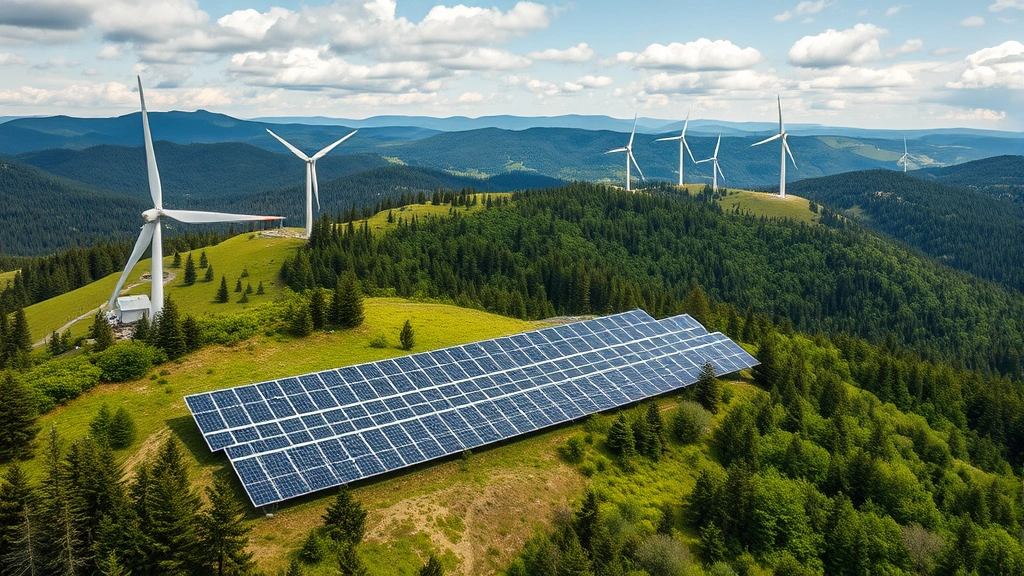
Transition Pathways and Solutions
Addressing fossil fuel environmental impacts requires rapid transition to renewable energy systems, enhanced energy efficiency, and fundamental shifts in consumption patterns. Renewable energy for homes represents one accessible transition pathway, with solar and wind technologies increasingly cost-competitive with fossil fuels. Grid-level renewable deployment has accelerated globally, with wind and solar providing record electricity generation shares in many regions.
Energy efficiency improvements in buildings, transportation, and industry offer substantial emissions reduction potential at negative cost—efficiency investments save money while reducing emissions. Building retrofits, industrial process improvements, and vehicle efficiency standards have demonstrated capacity to reduce energy consumption 20-40% without lifestyle changes, though political barriers frequently impede deployment.
Electrification of transportation powered by renewable electricity represents a critical transition pathway. Electric vehicle deployment has accelerated exponentially, with costs approaching parity with internal combustion vehicles. However, grid decarbonization must accompany vehicle electrification to maximize climate benefits, requiring substantial renewable energy capacity expansion.
Just transition frameworks must ensure that fossil fuel workers and dependent communities receive support during energy transitions. Coal mining regions have experienced economic devastation following mine closures without deliberate economic diversification efforts. Proactive investment in renewable energy manufacturing, grid modernization, and workforce training can enable economic renewal while addressing environmental imperatives.
Carbon pricing mechanisms—whether through carbon taxes or cap-and-trade systems—can internalize environmental costs and accelerate fossil fuel displacement. However, carbon prices must reach $100-200 per ton to meaningfully shift investment patterns, and price trajectories must be predictable to enable long-term planning. Visit the World Bank carbon pricing program for comprehensive information on implementation approaches.
Nature-based solutions including reforestation, wetland restoration, and agricultural practices enhancement can sequester carbon while providing ecosystem co-benefits. However, these approaches cannot substitute for emissions reductions—they represent complementary strategies operating alongside rapid renewable energy deployment and efficiency improvements.
International cooperation through agreements like the Paris Climate Accord creates frameworks for coordinated action, though current nationally determined contributions remain insufficient to limit warming to 1.5°C. Accelerating the transition requires both technological innovation and political will to fundamentally restructure energy systems within the next 10-15 years.
The International Energy Agency’s net-zero pathway demonstrates that complete fossil fuel phase-out is technically and economically feasible by 2050, requiring unprecedented but achievable renewable energy investment and efficiency improvements. This transition simultaneously addresses climate change, air pollution, water contamination, and biodiversity loss—making it arguably the single most consequential environmental intervention available to humanity.
FAQ
What are the primary ways fossil fuels harm the environment?
Fossil fuels damage the environment through greenhouse gas emissions driving climate change, air pollution causing respiratory disease, water contamination from extraction and processing, habitat destruction from mining and drilling, soil degradation, and ocean acidification. These impacts operate across multiple spatial and temporal scales, creating cascading ecosystem damage.
How much do fossil fuels contribute to global warming?
Fossil fuel combustion accounts for approximately 75% of global greenhouse gas emissions. CO₂ from fossil fuels represents the dominant driver of observed warming, with methane and other greenhouse gases from fossil fuel operations amplifying climate forcing. Current atmospheric CO₂ levels exceed 420 ppm, the highest in three million years.
What are the health impacts of fossil fuel pollution?
Fossil fuel combustion generates air pollution causing approximately 4.2 million premature deaths annually. Particulate matter, nitrogen oxides, and other pollutants trigger respiratory disease, cardiovascular disease, and cancer. Low-income communities experience disproportionate exposure and health burden.
Can we transition away from fossil fuels economically?
Yes. Renewable energy costs have declined 90% for solar and 70% for wind over the past decade, making them cost-competitive or cheaper than fossil fuels in most markets. Energy efficiency improvements provide negative-cost emissions reductions. However, transition requires intentional policy support and just transition frameworks protecting affected workers and communities.
What role does sustainable fashion play in addressing fossil fuel impacts?
Sustainable fashion reduces demand for petroleum-derived synthetic fibers and the energy-intensive manufacturing processes associated with conventional textiles. However, energy system transition represents the primary lever for addressing fossil fuel environmental impacts, with sectoral changes complementing but not substituting for systemic decarbonization.
How do fossil fuels affect biodiversity?
Fossil fuel extraction directly destroys habitat through mining and drilling operations. Climate change driven by fossil fuel emissions represents an additional major biodiversity threat, disrupting ecosystems globally. Combined impacts drive species extinctions at rates unprecedented in human history, with implications for ecosystem services humanity depends upon.


