Eco-Friendly Rentals: Boosting Local Economy Through Sustainable Residential Communities
The intersection of environmental responsibility and economic development has emerged as one of the most compelling frontiers in contemporary urban planning and community development. Eco-friendly residential rental properties represent a transformative approach to housing that simultaneously addresses climate concerns, reduces household expenses, and catalyzes local economic growth. As communities worldwide grapple with housing affordability crises and environmental degradation, the adoption of sustainable rental models offers a multifaceted solution that benefits residents, property owners, and broader economic ecosystems.
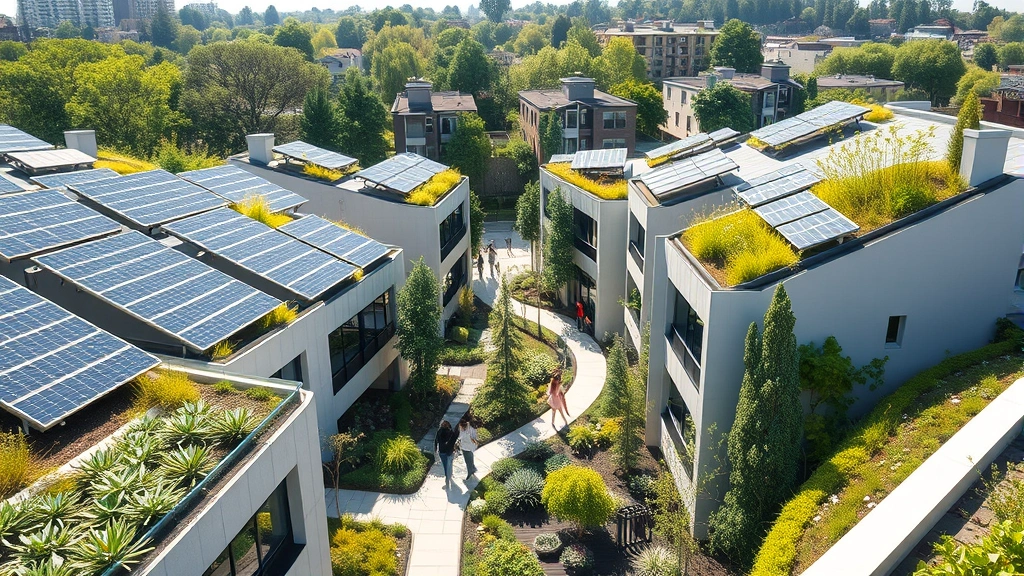
Environmental residential rental communities—often referred to as green rental developments or sustainable housing complexes—integrate ecological design principles with market-driven economics. These properties feature renewable energy systems, water conservation technologies, improved insulation, sustainable building materials, and community-oriented amenities that reduce operational costs while minimizing environmental impact. The economic implications extend far beyond individual utility savings; they encompass job creation, enhanced property values, increased municipal tax revenues, and the development of specialized green service industries within local economies.
This comprehensive analysis examines how eco-friendly rental properties function as economic engines for local communities, the mechanisms through which they generate wealth, the challenges they face in scaling, and the policy frameworks necessary to accelerate their adoption. By understanding the symbiotic relationship between environmental stewardship and economic prosperity, stakeholders can better appreciate why sustainable rental housing represents not merely an environmental imperative but a pragmatic economic strategy.
Economic Mechanisms of Green Rental Properties
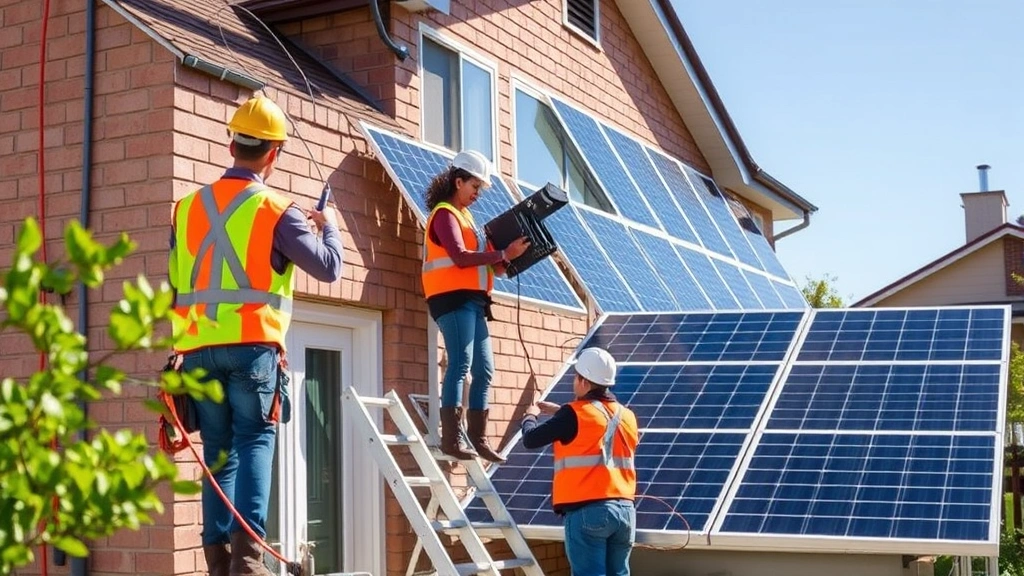
Eco-friendly residential rental communities generate economic value through multiple interconnected mechanisms that distinguish them from conventional housing developments. The primary economic driver emerges from operational cost reductions that translate directly into financial benefits for both property operators and tenants. Properties incorporating renewable energy systems—particularly solar photovoltaic installations—experience 30-50% reductions in electricity costs depending on geographic location and system specifications. According to research published by the World Bank, energy efficiency improvements in residential buildings can yield annual savings exceeding $500 per household in developed economies, with even greater percentage savings in developing regions.
Water conservation technologies including low-flow fixtures, rainwater harvesting systems, and greywater recycling reduce municipal water consumption by 20-40%, generating measurable financial returns while alleviating pressure on community water infrastructure. These operational efficiencies create a competitive advantage in rental markets, enabling property managers to maintain competitive pricing while sustaining higher profit margins. Importantly, reduced utility expenses directly increase tenant purchasing power—capital that flows into local retail, service, and entertainment sectors, stimulating broader economic activity.
The concept of reducing carbon footprint extends beyond individual properties to encompass entire community economic systems. Green rental developments often incorporate shared transportation infrastructure, community gardens, and shared resource systems that reduce per-capita consumption patterns. This collaborative consumption model generates economic benefits through reduced redundancy and increased asset utilization efficiency. Residents living in properties featuring renewable energy for homes demonstrate measurably different consumption patterns, with studies indicating 15-25% reductions in overall household expenditures, freeing capital for local economic investment.
Premium pricing mechanisms represent another significant economic dimension. Properties certified through recognized sustainability frameworks—such as LEED, Passive House, or equivalent regional standards—command rental premiums of 5-15% depending on market conditions and certification rigor. These premiums reflect tenant willingness to pay for reduced operating costs, improved health outcomes, and alignment with personal environmental values. The rental premium phenomenon has been extensively documented in ecological economics research, demonstrating that environmental attributes constitute genuine economic goods with measurable market value.
Job Creation and Workforce Development
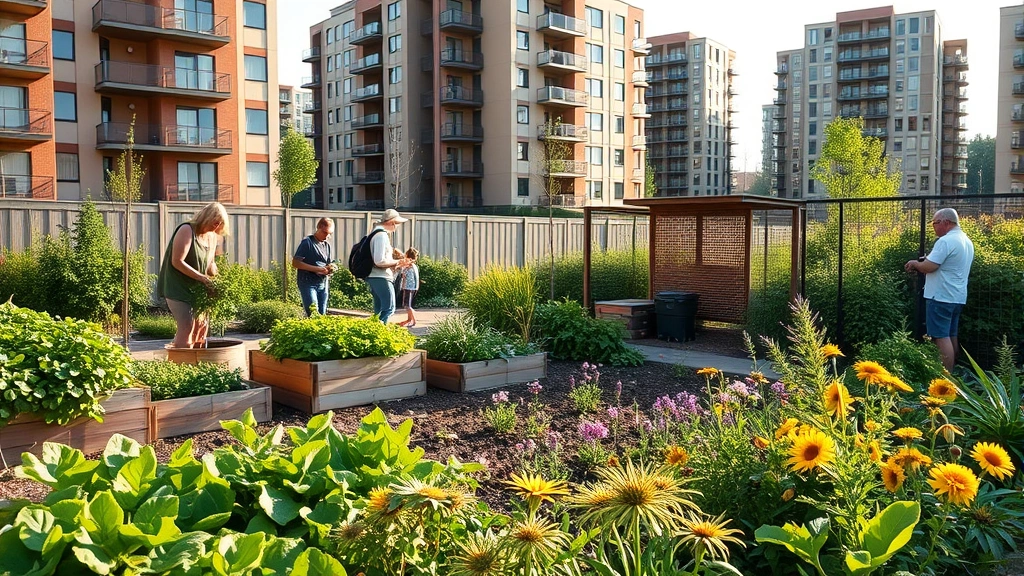
The proliferation of eco-friendly rental properties catalyzes substantial employment growth across multiple economic sectors, from construction and renewable energy installation to property management and green building certification. The construction phase of sustainable residential projects generates immediate employment opportunities with demonstrated wage premiums. Workers specializing in renewable energy installation, high-performance insulation, sustainable materials application, and green building systems earn 10-20% higher wages than conventional construction workers, reflecting specialized skill requirements and certification costs. These higher-wage construction jobs disproportionately benefit lower-income communities, providing pathways to economic mobility while building local workforce capacity in growth industries.
Beyond construction, eco-friendly rental communities require specialized operational expertise, creating permanent employment in energy management, sustainable systems maintenance, water quality monitoring, and green building certification compliance. Property managers overseeing sustainable developments increasingly require credentials in environmental systems, energy auditing, and sustainable operations management—certifications that command premium compensation and career advancement opportunities. Communities hosting multiple green rental developments develop specialized service ecosystems including certified energy auditors, renewable energy technicians, sustainable landscaping specialists, and green building consultants.
Workforce development benefits extend to traditionally disadvantaged populations. Green building training programs, often subsidized through community development funding or employer partnerships, provide employment pathways for individuals with limited formal education. Organizations tracking green job creation have documented that sustainable building trades offer entry-level positions requiring modest educational prerequisites while providing immediate income and long-term skill development. These employment pathways prove particularly valuable in communities experiencing economic decline or industrial transition, where green rental development can anchor workforce reorientation strategies.
The environment awareness movement has catalyzed educational investments in green building trades through community colleges, vocational training centers, and employer-sponsored apprenticeships. These educational programs generate economic benefits through enhanced human capital, increased tax revenues from higher earner wages, and reduced social service expenditures as employment stability improves. Research from the International Labor Organization indicates that green building sectors grow employment 2-3 times faster than conventional construction, suggesting substantial long-term workforce development potential.
Property Value Enhancement and Market Dynamics
Eco-friendly residential rental properties consistently demonstrate superior value retention and appreciation compared to conventional developments, creating substantial wealth accumulation benefits for property owners and investors. The mechanisms underlying property value enhancement operate through multiple channels: reduced operating costs increase net operating income, sustainability certifications reduce investment risk perception, enhanced marketability broadens tenant pools, and environmental amenities appeal to demographic segments with demonstrated purchasing power and stability.
Empirical research examining property values reveals that LEED-certified residential properties appreciate 2.4-3.5% faster than conventional properties, with certified sustainable rentals commanding 5-15% price premiums in competitive markets. These valuation premiums reflect both tangible cost savings and intangible environmental attributes that affluent demographic segments actively value. Property tax assessments increasingly incorporate energy efficiency and sustainability metrics, with some jurisdictions offering tax abatements or assessment reductions for certified green properties, further enhancing investment returns.
The financial services sector increasingly recognizes sustainable properties as lower-risk investments, reflected in preferential mortgage terms, lower insurance premiums, and enhanced access to capital from ESG-focused investment funds. Major institutional investors—including pension funds, sovereign wealth funds, and impact investors—actively target sustainable residential properties, driving capital flows toward green developments and away from conventional projects. This capital reallocation mechanism amplifies the economic advantages of eco-friendly properties while creating competitive disadvantages for conventional developments.
Market dynamics surrounding green rental properties generate positive externalities that benefit surrounding neighborhoods and municipalities. Properties featuring superior energy efficiency, water conservation, and environmental aesthetics enhance neighborhood desirability, increasing valuations of adjacent properties and expanding municipal tax bases. Studies from urban economics research institutions document that green developments increase surrounding property values by 2-5%, creating wealth effects that ripple throughout communities. These spillover effects constitute genuine economic benefits accruing to communities that support sustainable development policies.
Community Resilience and Social Capital
Beyond quantifiable financial metrics, eco-friendly rental communities generate resilience benefits that enhance long-term economic sustainability. Green developments typically incorporate redundant utility systems, distributed renewable energy, water storage capacity, and community food production—characteristics that enhance resilience to climate disruptions, energy price volatility, and supply chain interruptions. Communities with substantial green rental portfolios experience measurably lower vulnerability to utility service disruptions, energy price shocks, and water scarcity events that increasingly characterize climate-changed environments.
The Ecorise Daily Blog extensively documents how community-oriented design in sustainable rental developments strengthens social cohesion and social capital—intangible but economically significant assets. Properties featuring shared amenities, community gardens, and collaborative resource systems generate regular tenant interaction, fostering social networks that enhance community stability, reduce turnover, and increase tenant satisfaction. Economic research consistently demonstrates that communities with strong social capital experience superior economic outcomes including higher entrepreneurship rates, more effective collective problem-solving, and greater resilience to economic shocks.
Sustainable rental communities often catalyze local food system development through integrated gardens, farmers markets, and agricultural education programs. These initiatives generate direct economic benefits through reduced food expenditures, create employment in local food production and processing, and strengthen community food security. The economic multiplier effects of local food systems prove substantial—each dollar spent on locally-produced food generates $1.50-2.00 in additional local economic activity compared to $0.20-0.30 for imported food, according to sustainable agriculture research.
Environmental stewardship embedded in community culture generates measurable economic benefits through reduced crime, improved public health outcomes, and enhanced community reputation. Communities known for environmental leadership attract environmentally-conscious residents and businesses, expanding the economic base and enhancing municipal brand value. This reputational effect proves particularly valuable for communities competing for talent, investment, and tourism revenue in increasingly competitive global markets.
Financing and Investment Models
The proliferation of eco-friendly rental properties has catalyzed development of specialized financing mechanisms that reduce capital barriers and enhance project viability. Green bonds—debt instruments specifically designated for environmental projects—have mobilized over $500 billion in capital for sustainable buildings and renewable energy since their introduction, with residential projects capturing substantial allocations. Green mortgage products offering preferential interest rates for certified sustainable properties reduce borrowing costs by 0.25-0.75%, generating substantial lifetime savings for property owners.
Energy Service Agreement (ESAA) models enable property developers to finance renewable energy and efficiency improvements through performance-based contracts where tenants pay only for energy savings achieved, eliminating upfront capital requirements. These innovative financing mechanisms have democratized access to sustainable property development, enabling smaller operators and community organizations to participate in green rental markets previously dominated by large institutional developers. Property Assessed Clean Energy (PACE) financing allows building efficiency improvements to be financed through property tax assessments, with repayment obligations transferring to subsequent owners, substantially reducing refinancing risks.
Community development financial institutions increasingly target sustainable rental property development, recognizing both financial viability and community benefit. These specialized lenders structure financing to balance financial returns with community development objectives, enabling projects in underserved markets that conventional lenders avoid. Impact investing frameworks—which measure social and environmental returns alongside financial performance—have mobilized billions in capital for sustainable housing, with returns consistently meeting or exceeding conventional real estate investments while generating documented environmental and social benefits.
Public-private partnerships have emerged as crucial financing mechanisms for large-scale sustainable rental developments. Municipalities contribute land, infrastructure investment, or tax incentives while private developers provide capital, expertise, and operational management. These partnerships enable ambitious sustainability targets that purely private developments might not achieve while ensuring public accountability and community benefit provisions. Successful PPP models have demonstrated that green rental developments can achieve financial viability while delivering substantial public goods including environmental protection, workforce development, and housing affordability.
Policy Frameworks and Regulatory Support
Government policies fundamentally shape the economic viability of eco-friendly rental properties through building codes, tax incentives, zoning regulations, and direct investment. Progressive jurisdictions have adopted building codes requiring net-zero energy performance, water-positive design, and embodied carbon minimization—standards that create market-wide demand for sustainable rental properties while eliminating competitive disadvantages for green developers. These regulatory approaches have proven economically effective; jurisdictions with stringent sustainability building codes experience faster green building market development and greater cost reduction through scale economies compared to jurisdictions relying on voluntary standards.
Tax incentive structures substantially influence eco-friendly rental development economics. Investment tax credits for renewable energy, accelerated depreciation schedules for sustainable building components, and property tax abatements for certified green properties reduce effective capital costs by 15-35%, materially improving project returns. Some jurisdictions offer tenant tax credits for rental payments on certified sustainable properties, directly reducing housing costs for low-income households while subsidizing green development. These tax mechanisms represent fiscally efficient public investments, generating economic returns through job creation and property value appreciation that exceed direct public expenditure.
Zoning and land-use policies either facilitate or obstruct eco-friendly rental development. Progressive jurisdictions have eliminated single-family zoning restrictions, reduced minimum parking requirements for properties with robust transit access, and streamlined permitting for sustainable developments—changes that reduce development costs and timelines by 20-40%. Conversely, jurisdictions maintaining restrictive zoning regimes, parking mandates, and cumbersome permitting processes materially impede green rental development regardless of financing availability or market demand.
Direct public investment in sustainable rental property development—through municipal development corporations, community land trusts, and social housing programs—demonstrates strong economic returns while ensuring public benefit. The United Nations Environment Programme documents that public investment in sustainable housing generates economic multipliers of 2.5-3.5, with each dollar of public investment generating $2.50-3.50 in broader economic activity. These multiplier effects arise through construction employment, renewable energy industry development, and operational cost savings that circulate through local economies.
International policy frameworks increasingly recognize sustainable housing’s economic importance. The World Bank’s urban development initiatives prioritize sustainable rental housing as a development strategy for emerging economies, recognizing that green properties simultaneously address housing deficits, create employment, and reduce environmental degradation. Regional development banks increasingly mandate sustainability criteria for housing finance, accelerating green property development in developing economies where environmental and economic challenges prove most acute.
FAQ
What constitutes an eco-friendly rental property?
Eco-friendly rental properties integrate renewable energy systems (solar, wind, or geothermal), water conservation technologies, high-performance insulation, sustainable building materials, waste management systems, and often community amenities supporting sustainable living. Properties typically pursue formal sustainability certifications including LEED, Passive House, Living Building Challenge, or equivalent regional standards. The environment quotes literature emphasizes that true sustainability requires holistic integration across energy, water, materials, and community systems rather than isolated efficiency improvements.
How do eco-friendly rentals reduce tenant costs?
Reduced utility expenses constitute the primary cost savings, typically ranging from 30-50% for energy and 20-40% for water depending on property specifications and local conditions. Additionally, properties designed for durability and low maintenance reduce repair and replacement costs. Some jurisdictions offer tenant tax credits for sustainable rental occupancy, further reducing net housing costs. Premium rental rates for green properties often remain below the cumulative savings from reduced utilities, resulting in net financial benefits for tenants.
What employment opportunities do green rental developments create?
Employment spans construction (renewable energy installation, high-performance building), permanent operations (energy management, systems maintenance), professional services (energy auditing, certification consulting), and supply chains (sustainable materials production, recycling systems). Specialized green building trades command 10-20% wage premiums compared to conventional construction, with strong long-term employment security reflecting growing industry demand and skill scarcity.
How do financing mechanisms support eco-friendly rental development?
Green bonds, sustainability-linked mortgages, Energy Service Agreements, PACE financing, and community development finance all reduce capital costs or enable performance-based financing. These mechanisms lower effective interest rates by 0.25-0.75%, extend loan terms to match asset lifespans, and in some cases eliminate upfront capital requirements through performance-based repayment structures. Public-private partnerships combine public land and infrastructure investment with private development expertise, enabling projects combining financial viability with ambitious sustainability targets.
What policy changes would accelerate eco-friendly rental adoption?
Stringent building codes requiring net-zero performance; elimination of single-family zoning and parking mandates; streamlined permitting for sustainable developments; property tax abatements for certified green properties; tenant tax credits; and direct public investment through development corporations or community land trusts all substantially accelerate green rental development. International evidence demonstrates that jurisdictions combining regulatory standards, tax incentives, and direct investment achieve fastest sustainable housing market development.
How do green rental properties enhance community resilience?
Distributed renewable energy, redundant utility systems, water storage capacity, and integrated food production enhance resilience to energy price shocks, utility disruptions, and supply chain interruptions. Community-oriented design strengthens social capital and social networks, improving collective problem-solving capacity and economic stability. Reduced environmental impact decreases vulnerability to climate-related disruptions increasingly affecting conventional communities.
What are the investment returns for eco-friendly rental properties?
LEED-certified residential properties appreciate 2.4-3.5% faster than conventional properties, command 5-15% rental premiums, achieve superior tenant retention, and access preferential financing terms reducing borrowing costs. Research from institutional investors documents that sustainable properties deliver financial returns matching or exceeding conventional real estate while generating measurable environmental and social benefits, making them attractive for impact investing frameworks.


