Boosting GDP with Green Policies: Economist Insights
The intersection of environmental sustainability and economic growth has long been framed as a trade-off: policymakers must choose between protecting ecosystems or maximizing GDP. However, leading economists and international institutions are fundamentally challenging this narrative. Green policies—from carbon pricing to renewable energy investments—increasingly demonstrate capacity to simultaneously enhance environmental health and drive robust economic expansion. This paradigm shift reflects decades of research showing that environmental degradation imposes substantial hidden costs on economies, while strategic green investments unlock new markets, create employment, and improve long-term productivity.
Environment awareness has evolved from niche concern to mainstream economic policy consideration. Major corporations, financial institutions, and governments now recognize that transitioning toward green economies is not merely ethically imperative but economically rational. The question is no longer whether economies can afford green policies, but whether they can afford to delay them.
The Economic Case for Environmental Policy
Traditional economic models treated the environment as an externality—costs imposed on society that markets failed to price. This accounting error created perverse incentives where polluting industries appeared more profitable than they actually were. Modern ecological economics, pioneered by scholars studying environment and market dynamics, corrects this fundamental miscalculation.
When governments implement green policies—such as emissions trading systems, pollution taxes, or renewable energy mandates—they accomplish three simultaneous objectives. First, they internalize environmental costs, making true economic efficiency possible. Second, they create price signals that redirect capital toward sustainable technologies. Third, they unlock innovation in clean technology sectors, generating competitive advantages for early-moving economies.
The World Bank estimates that environmental degradation costs developing countries approximately 4-5% of annual GDP. These losses stem from air pollution health impacts, water contamination, soil degradation, and climate-related disasters. Green policies that prevent such degradation effectively represent high-return investments yielding benefits far exceeding implementation costs.
Economist research from institutions like the United Nations Environment Programme demonstrates that countries implementing comprehensive environmental policies experience faster long-term growth trajectories than those prioritizing short-term extraction. This occurs because environmental investments enhance human capital (healthier populations), natural capital (ecosystem services), and technological capital (clean innovation).

Green Jobs and Employment Growth
One of the most tangible benefits of green policies is employment creation. Renewable energy sectors, energy efficiency retrofitting, sustainable agriculture, and environmental remediation generate substantially more jobs per dollar invested than fossil fuel industries. The International Renewable Energy Agency reports that renewable energy employment exceeded 12.7 million jobs globally in 2021, with growth rates consistently outpacing conventional energy sectors.
These employment benefits distribute across skill levels and geographic regions. Installing solar panels, retrofitting buildings for energy efficiency, and developing sustainable supply chains require diverse workforce capabilities from engineers to electricians to logistics coordinators. Rural communities particularly benefit from wind and solar development, which generates ongoing lease payments and maintenance employment.
When examining renewable energy for homes specifically, the employment multiplier extends beyond installation. Manufacturing supply chains, grid modernization, battery technology development, and smart energy management systems create cascading job opportunities. These positions typically offer wages competitive with or exceeding fossil fuel industry employment, while providing greater long-term stability as renewable technologies become increasingly cost-competitive.
The transition also creates opportunities for workforce reskilling. Rather than viewing fossil fuel workers as displaced, forward-thinking green policies invest in retraining programs enabling workers to transition into renewable energy sectors. Countries like Denmark and Germany have successfully implemented such transitions, demonstrating that managed green transformation can maintain or increase employment while improving environmental outcomes.
Carbon Pricing Mechanisms and Market Innovation
Among the most economically efficient green policies are carbon pricing mechanisms—either through direct carbon taxes or cap-and-trade systems. These market-based approaches harness competitive dynamics to reduce emissions at lowest possible cost, rather than relying on prescriptive regulations.
Carbon pricing works through elegant economic logic: by placing a price on carbon dioxide emissions, policymakers create incentives for businesses to innovate toward lower-emission processes and products. Companies can either pay the carbon price or invest in clean technology—rational firms choose whichever is cheaper. This flexibility drives innovation toward genuinely cost-effective solutions rather than predetermined technologies.
The European Union’s Emissions Trading System, the world’s largest carbon market, has reduced covered sector emissions by 35% since 2005 while GDP grew approximately 60%. This decoupling of emissions from growth demonstrates that carbon pricing need not constrain economic expansion. Instead, it redirects growth toward cleaner pathways.
Carbon pricing also generates government revenue that can fund additional green investments or reduce other taxes, improving overall economic efficiency. Some jurisdictions implement carbon tax revenue recycling through income tax reductions or investments in public transit and renewable infrastructure. This creates double dividends: environmental improvement plus economic efficiency gains.
Markets respond to carbon pricing with remarkable speed. Within years of implementing carbon prices, companies develop new technologies, supply chains reorganize toward lower-carbon inputs, and consumer preferences shift toward sustainable products. This market dynamism generates competitive advantages for early movers—companies developing clean technologies in carbon-pricing jurisdictions often become global leaders, exporting technology and expertise worldwide.
Renewable Energy Investment Returns
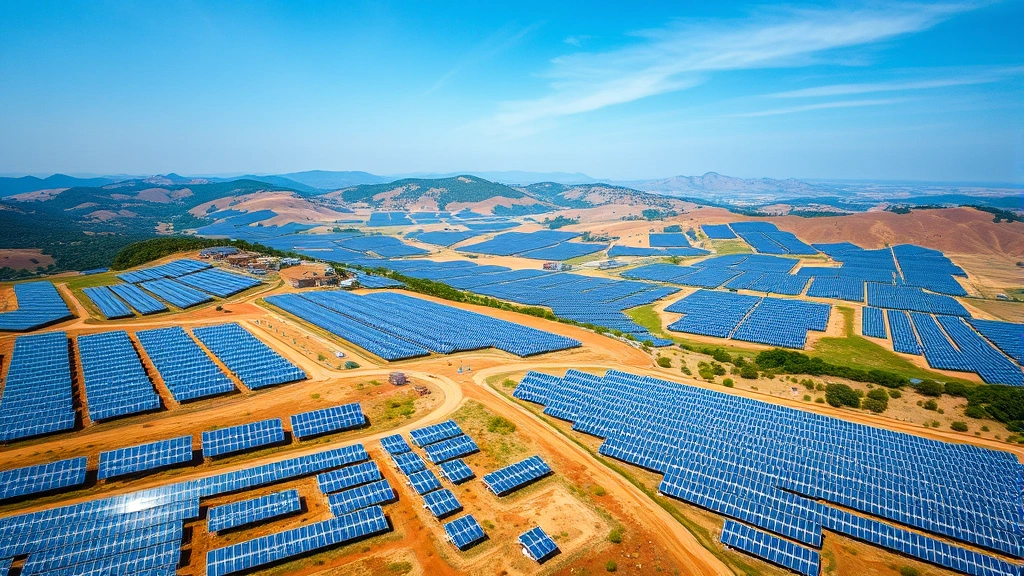
Renewable energy represents perhaps the clearest example of green policy driving economic returns. Two decades ago, renewable energy was viewed as expensive and unreliable. Today, solar and wind are the cheapest electricity sources in most markets, with costs declining 90% and 70% respectively since 2010.
This cost revolution occurred because green policies—subsidies, renewable portfolio standards, and investment tax credits—created markets for renewable technologies. Increased demand drove manufacturing scale, technological learning, and supply chain optimization. As costs fell, renewables became economically rational even without subsidies, creating self-sustaining growth.
The economic benefits extend beyond electricity generation. Renewable energy projects require substantial upfront capital investment, typically financed through bonds and equity that circulate through financial systems. Manufacturing renewable equipment supports industrial employment. Operations and maintenance create ongoing jobs. Grid modernization necessary to integrate renewables stimulates construction and technology sectors.
When countries transition toward renewable energy for homes and businesses, they simultaneously reduce energy costs (renewable electricity becomes cheaper than fossil fuel alternatives) and create local employment. Distributed solar and wind systems particularly benefit rural economies, where energy costs decline while wealth circulates locally rather than flowing to fossil fuel importers.
Investment returns also include avoided costs. Renewable energy eliminates fuel costs (sunlight and wind are free), reduces health costs from air pollution, prevents climate damage, and improves energy security by reducing dependence on volatile commodity markets and foreign fuel suppliers.
Environmental Costs and Hidden Economic Losses
Understanding green policy benefits requires quantifying environmental costs that conventional accounting ignores. Air pollution from fossil fuel combustion causes approximately 7 million premature deaths annually, according to World Health Organization estimates. These deaths represent lost productivity, medical expenses, and human suffering with enormous economic value.
Water pollution and scarcity impose substantial costs on agriculture, manufacturing, and public health. Soil degradation reduces agricultural productivity, requiring increasing fertilizer inputs and eventually rendering land unusable. Biodiversity loss undermines ecosystem services—pollination, water purification, climate regulation—that economies depend upon but rarely value explicitly.
Climate change itself represents catastrophic economic risk. Extreme weather damages infrastructure, disrupts supply chains, reduces agricultural yields, and displaces populations. Insurance companies increasingly recognize climate risk, while financial regulators flag climate-related assets as systemically risky. Investors now demand climate risk disclosure, recognizing that companies exposed to climate impacts face material financial risks.
Green policies prevent these costs from accumulating. By transitioning away from fossil fuels, implementing how to reduce carbon footprint strategies at scale, and protecting ecosystems, policymakers avoid trillions in future damages. From a cost-benefit perspective, green policy investments are extraordinarily high-return: spending billions today prevents tens of trillions in future losses.
This economic logic has led major financial institutions to recognize climate action as necessary for financial stability. Central banks, pension funds, and insurance companies now incorporate climate risk into investment decisions, effectively pricing in the economic damages of environmental degradation.
Global Examples of Green Economic Success
Multiple countries demonstrate that green policies drive economic growth. Costa Rica generates over 99% of electricity from renewable sources while maintaining steady economic growth and exceptional quality of life. The country’s biodiversity conservation policies, initially viewed as economically constraining, now drive substantial ecotourism revenue exceeding traditional extractive industries.
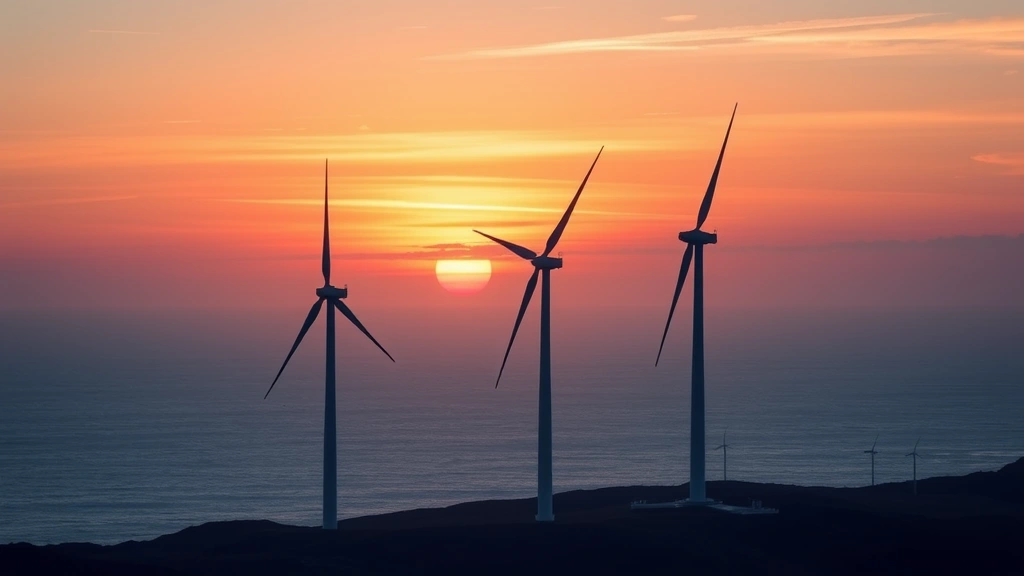
Denmark has built a world-leading wind energy industry, exporting turbines and expertise globally while maintaining manufacturing employment and economic competitiveness. Wind energy now comprises over 80% of Danish electricity generation, achieved through consistent policy support that created stable investment environments for renewable energy development.
Germany’s Energiewende (energy transition) demonstrates large-economy transformation feasibility. Despite skeptics claiming the transition would devastate the German economy, the country has reduced emissions significantly while maintaining strong manufacturing and technology sectors. German companies now lead in renewable technology globally, creating competitive advantages and export opportunities.
China, despite environmental challenges, has become the world’s largest renewable energy investor and manufacturer. By implementing aggressive renewable energy targets and manufacturing policies, China captured dominant market positions in solar panels, wind turbines, and batteries. This strategic green investment creates jobs, reduces air pollution in major cities, and positions China as technology leader in the fastest-growing energy sectors.
These examples share common elements: consistent policy frameworks enabling long-term investment planning, technology development support through research funding and subsidies, workforce development programs, and integration of environmental concerns into broader economic strategy. Countries treating green policy as central economic development tool outperform those viewing it as constraint.
The World Bank now prioritizes green growth in development financing, recognizing that sustainable development and economic growth are complementary rather than contradictory. This institutional shift reflects overwhelming evidence that environmental protection and prosperity advance together when policies align properly.
Within the context of broader environment and market dynamics, economists increasingly emphasize that the relevant question is not whether to pursue green policies but how rapidly to transition. Delays increase future adjustment costs while allowing competitors to capture emerging clean technology markets. From pure economic perspective, aggressive green policy implementation represents rational strategy for prosperity.
Sustainable business models also inspire sustainable fashion brands and similar innovations across sectors. As consumer preferences shift toward sustainable products—driven partly by environmental awareness and partly by economic logic (sustainable products often cost less over product lifespans)—companies adapting early gain market advantages. This dynamic extends across all economic sectors, from agriculture to manufacturing to services.
FAQ
How do green policies actually increase GDP if they constrain certain industries?
Green policies redirect economic activity toward cleaner sectors rather than reducing total economic activity. While fossil fuel industries may contract, renewable energy, energy efficiency, and environmental restoration sectors expand faster, generating net employment and investment growth. Additionally, green policies prevent environmental costs that would otherwise reduce future GDP, making the long-term growth trajectory steeper with green policies than without them.
Don’t green policies increase costs for businesses and consumers?
Initially, some green technologies cost more than incumbent alternatives. However, learning curves and manufacturing scale rapidly reduce costs—renewable energy exemplifies this pattern. Moreover, when environmental costs are properly accounted for, green alternatives often prove cheaper than conventional options. Energy efficiency improvements, for instance, typically reduce operating costs while improving environmental outcomes. Consumer costs depend heavily on policy design; carbon tax revenue recycling can maintain or reduce household costs while improving environmental outcomes.
Which green policies deliver strongest economic returns?
Research suggests carbon pricing (whether through taxes or cap-and-trade), renewable energy investment support, and energy efficiency programs deliver particularly strong returns. These policies harness market mechanisms to identify cost-effective solutions while creating substantial employment and innovation incentives. The most effective approaches combine multiple policies—carbon pricing signals create demand for clean technology while research investment and manufacturing support accelerate technological development.
How quickly can economies transition to green models?
Transition speed depends on policy commitment, technology availability, and workforce capacity. Denmark achieved rapid wind transition over 15 years. Costa Rica built renewable electricity system over several decades. Most economists suggest 20-30 year transitions are feasible for developed economies, with longer timelines for developing nations requiring greater investment support. Faster transitions reduce climate risks but require more intensive policy support and workforce development.
What about developing countries that depend on fossil fuel exports?
Developing countries face genuine transition challenges but also opportunities. Renewable energy costs have fallen sufficiently that clean energy often proves cheaper than fossil fuel alternatives, even without subsidies. International climate finance and technology transfer programs support developing country transitions. Countries diversifying away from fossil fuel dependence reduce vulnerability to commodity price volatility while capturing opportunities in growing clean technology sectors. Early movers in this transition position themselves as technology leaders and attract green investment.


