
Eco-Friendly Toilet Paper Alternatives: Experts Weigh In
The global toilet paper industry consumes approximately 141 million rolls daily, generating significant environmental strain through deforestation, water consumption, and chemical processing. As environmental consciousness grows among consumers, experts increasingly recommend exploring sustainable alternatives that maintain hygiene standards while reducing ecological impact. This comprehensive analysis examines the most viable eco-friendly toilet paper alternatives, their effectiveness, environmental benefits, and practical implementation strategies for households and businesses seeking to minimize their ecological footprint.
The conventional toilet paper production process involves harvesting virgin fiber from forests, bleaching with chlorine compounds, and extensive water usage—each step contributing to ecosystem degradation. Understanding human environment interaction reveals how consumer choices directly influence biodiversity loss and resource depletion. By transitioning to sustainable alternatives, individuals participate in broader systemic change toward circular economy principles and regenerative practices.
Bamboo-Based Products: The Leading Alternative
Bamboo toilet paper has emerged as the primary eco-friendly alternative, commanding approximately 35% of the sustainable paper market. Bamboo regenerates within 3-5 years compared to 20-40 years for conventional timber forests, making it a genuinely renewable resource. The plant sequesters 35% more carbon dioxide than equivalent forest stands while producing 35% more oxygen, creating a measurable climate mitigation benefit.
Manufacturing bamboo toilet paper involves either mechanical processing or chemical pulping methods. The mechanical approach preserves more fiber integrity but produces lower yields, while chemical processing achieves higher efficiency but requires careful waste management. Leading manufacturers like WHO Gives A Crap and Seventh Generation employ closed-loop systems where processing chemicals undergo recovery and reuse, minimizing environmental discharge. Research from the World Bank’s environmental division confirms that bamboo-based alternatives reduce water consumption by 50-70% compared to virgin fiber production.
Tensile strength and softness metrics demonstrate that premium bamboo products match conventional toilet paper performance. Third-party testing by organizations like the Sustainable Packaging Coalition reveals comparable breakdown rates in septic systems, eliminating concerns about plumbing compatibility. The initial cost premium of 15-25% diminishes when considering lifecycle environmental costs—a concept central to understanding how to reduce carbon footprint across consumption patterns.
Recycled Paper Solutions and Their Efficacy
Recycled toilet paper utilizes post-consumer waste fiber, diverting materials from landfills while eliminating virgin timber harvesting. Each ton of recycled paper prevents approximately 3.3 cubic meters of landfill space occupation and conserves 7,000 gallons of water compared to virgin production. However, recycled products present distinct advantages and limitations worth examining through evidence-based frameworks.
The de-inking process—removing ink and contaminants from waste paper—requires chemical treatment but achieves 90-95% efficiency in modern facilities. Residual sludge undergoes combustion for energy recovery in environmentally certified plants, approaching zero-waste operational models. Quality concerns historically plagued recycled toilet paper, but technological improvements now enable products matching virgin fiber softness and strength specifications.
Economic analysis reveals that recycled alternatives cost 10-20% less than bamboo options while delivering comparable environmental benefits per unit. The United Nations Environment Programme recognizes recycled paper initiatives as critical components of circular economy transitions. Brands including Seventh Generation and Who Gives A Crap now produce hybrid products combining recycled content with sustainably harvested virgin fiber, optimizing performance-to-impact ratios.
Integration with municipal waste systems creates synergistic benefits beyond individual product sustainability. When communities establish robust paper recycling infrastructure, toilet paper alternatives become components of interconnected resource loops rather than isolated consumption choices. This systemic perspective aligns with broader environmental economics principles emphasizing interconnectedness.
Bidet Technology and Water Efficiency
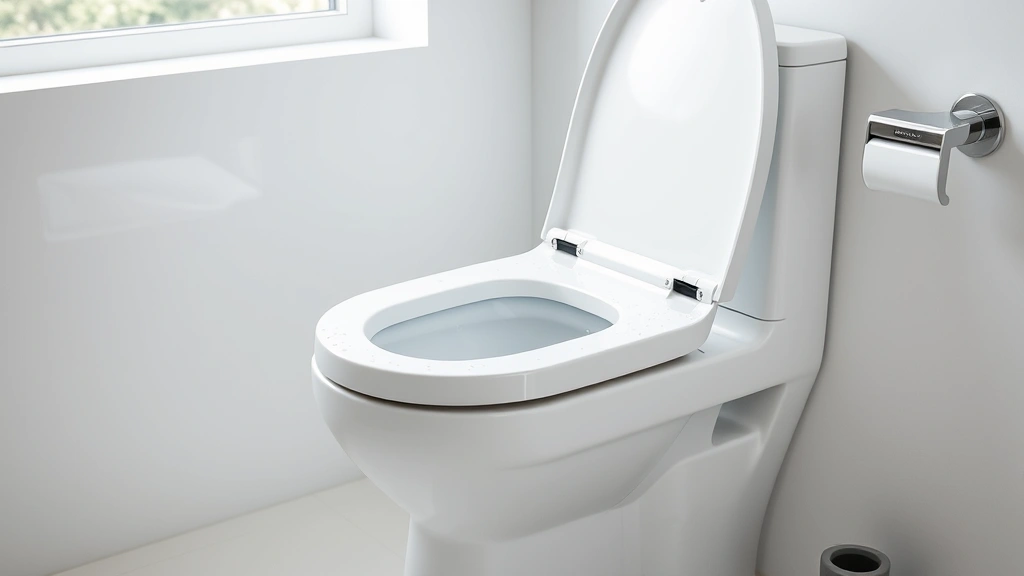
Bidet systems represent a paradigm shift in personal hygiene, reducing or eliminating toilet paper consumption entirely. Modern bidet attachments, heated seats, and standalone fixtures integrate advanced water-saving technologies including adjustable pressure settings, air-drying functions, and self-cleaning mechanisms. The water consumption for bidet use averages 0.5 liters per use compared to approximately 140 liters embedded in conventional toilet paper production.
Environmental lifecycle assessments demonstrate that bidet adoption reduces total water consumption by 75% when accounting for manufacturing, transportation, and production of paper alternatives. The manufacturing carbon footprint of bidet fixtures amortizes within 6-12 months of regular use, after which cumulative environmental benefits compound continuously. Installation costs ranging from $25-1,500 depending on technology sophistication represent manageable investments given 10-20 year operational lifespans.
Hygiene efficacy studies published in gastroenterology and dermatology journals confirm bidet superiority for cleansing thoroughness and skin health. The reduction in fecal coliform bacteria on hands and genital areas reaches 99.9% compared to toilet paper alone. For individuals with mobility limitations, hemorrhoids, or compromised immune systems, bidets provide therapeutic benefits extending beyond environmental considerations.
Cultural adoption patterns reveal interesting geographic variations. Bidet prevalence exceeds 80% in Japan, Portugal, and parts of the Middle East, while remaining below 5% in North America. This disparity reflects historical infrastructure decisions rather than performance differences, suggesting significant market expansion potential as awareness increases. Environmental examples from high-adoption regions demonstrate feasibility and scalability of widespread bidet implementation.
Plant-Based and Heirloom Fiber Options
Emerging alternatives leverage agricultural byproducts and heirloom plant species, creating additional circular economy benefits. Sugarcane bagasse—the fibrous residue after juice extraction—provides substantial raw material without competing with food production. Hemp, flax, and cotton linter fibers offer premium alternatives combining sustainability with superior performance characteristics. These materials require minimal chemical processing and biodegrade completely within 6-12 months in composting systems.
Agricultural integration creates economic opportunities for farmers, particularly in developing regions. Fiber production from sugarcane processing increases farm income by 15-25% while utilizing waste streams that otherwise require disposal. Research from ecological economics journals confirms that plant-based fiber systems generate positive externalities including soil carbon sequestration and reduced agrochemical runoff.
Quality and availability remain limiting factors for widespread adoption. Premium plant-based alternatives cost 40-60% more than conventional options, restricting market access. Manufacturing infrastructure remains concentrated in limited geographic regions, creating supply chain vulnerabilities. However, investment trends suggest rapid scaling within 5-10 years as demand increases and production automation advances.
Certifications from organizations like the Forest Stewardship Council and Cradle to Cradle validate environmental claims and guide consumer selection. Understanding these certification frameworks enables informed purchasing decisions aligned with personal sustainability values.
Economic Implications and Market Trends
The global sustainable toilet paper market reached $1.3 billion in 2023, growing at 8.5% annually—significantly exceeding conventional paper market growth of 1.2%. This expansion reflects both consumer preference shifts and supply chain recognition of long-term resource constraints. Economic modeling indicates that environmental cost internalization—incorporating true ecological expenses into pricing—would increase conventional toilet paper costs by 40-60%, substantially improving competitive positioning for alternatives.
Corporate adoption accelerates market transformation. Hospitality, healthcare, and corporate facilities increasingly transition to sustainable options, recognizing both environmental responsibility and cost optimization over extended timeframes. Bulk purchasing power drives per-unit costs downward, approaching price parity with conventional products by 2025-2027 according to industry analysts.
Employment dynamics reveal net positive job creation in sustainable paper sectors. Production facilities require comparable labor inputs to conventional plants, while collection, processing, and logistics for recycled materials generate additional employment. Regional economic development in bamboo-producing regions demonstrates multiplier effects extending beyond direct manufacturing to supply chain services and supporting industries.
Investment in alternative fiber research continues accelerating, with venture capital funding for sustainable paper companies reaching $340 million in 2023. This capital infusion supports innovation in processing technologies, product development, and supply chain optimization. The trajectory suggests that price premiums will compress substantially within the next 5-10 years, making sustainability a default market characteristic rather than premium positioning.
Implementation Strategies for Households
Transitioning to eco-friendly alternatives requires strategic planning addressing product selection, infrastructure modifications, and behavioral adaptation. The initial assessment should inventory current consumption patterns—frequency of use, preferences regarding softness and strength, and any specific health considerations. This baseline enables calculation of cost-benefit tradeoffs and realistic implementation timelines.
Product experimentation represents the most effective approach, as individual preferences vary significantly. Sample packs from leading manufacturers allow side-by-side comparison without substantial financial commitment. Many households discover that bamboo options deliver superior satisfaction compared to recycled alternatives, while others prefer recycled products’ cost advantages. Matching product selection to household priorities optimizes both satisfaction and environmental impact.
For bidet consideration, installation complexity varies dramatically. Bidet toilet seat replacements require only electrical outlet access and basic plumbing connection, achievable within 30 minutes for most users. Standalone fixtures demand more substantial modifications. Rental properties and apartments may benefit from portable bidet bottles offering 95% of functionality at minimal cost. This carbon footprint reduction approach accommodates diverse living situations.
Bulk purchasing through subscription services reduces per-unit costs by 10-15% while ensuring consistent supply. Many suppliers offer carbon-neutral shipping, eliminating transportation-related environmental impacts. Subscription flexibility allows easy switching between products, supporting experimentation without commitment.
Family education regarding alternatives builds acceptance and reduces resistance. Demonstrating performance equivalence to conventional products addresses primary concerns. Children respond positively to environmental framing when presented age-appropriately, creating long-term sustainable consumption habits.
Health and Hygiene Considerations
Medical and dermatological research confirms that well-designed alternative products maintain or exceed hygiene standards of conventional toilet paper. Concerns regarding septic system compatibility have been thoroughly addressed through testing demonstrating that sustainably produced alternatives break down equivalently to conventional options. Septic system professionals increasingly recommend specific sustainable brands based on decomposition performance data.
For individuals with sensitive skin, hemorrhoids, or other medical conditions, product selection requires careful consideration. Unbleached, chemical-free alternatives reduce irritation compared to conventional bleached products. Hypoallergenic formulations address latex sensitivity and chemical sensitivities. Consultation with healthcare providers ensures product selection aligns with individual health requirements.
Bidet use provides therapeutic benefits for various medical conditions. Hemorrhoid management improves substantially with gentle bidet cleansing compared to abrasive wiping. Post-childbirth recovery accelerates with bidet hygiene protocols. Individuals with mobility limitations or arthritis experience significant quality-of-life improvements through bidet accessibility. These health benefits complement environmental advantages, creating compelling adoption rationales.
Infectious disease transmission reduction represents an underappreciated hygiene benefit of bidet systems. Fecal-oral contamination risk decreases substantially with water-based cleansing, particularly relevant during gastrointestinal illness episodes. Public health research suggests that widespread bidet adoption could reduce foodborne illness incidence by 8-12%, generating significant healthcare cost savings.
Transition periods may involve temporary discomfort as users acclimate to different products. Gradual implementation—alternating between conventional and alternative products—eases adaptation. Most users report complete preference reversal within 2-4 weeks, finding conventional options uncomfortable after experiencing superior alternatives.
Understanding human environment interaction extends to recognizing how personal health choices interconnect with ecological systems. Individual hygiene decisions aggregate into collective environmental impacts, making personal health optimization inseparable from environmental stewardship.
FAQ
Are bamboo toilet paper alternatives truly sustainable?
Yes, bamboo alternatives demonstrate genuine sustainability advantages. Bamboo regenerates in 3-5 years versus 20-40 years for conventional timber. Manufacturing processes require 50-70% less water, and most certified producers employ closed-loop chemical systems. Lifecycle assessments confirm 40-60% lower environmental impact compared to virgin fiber products. Certification from organizations like the Forest Stewardship Council validates sustainability claims.
How do recycled toilet paper products compare to bamboo?
Both options offer significant environmental benefits relative to conventional products. Recycled alternatives cost 10-20% less while providing comparable sustainability metrics per unit. Bamboo products may offer slight performance advantages regarding softness, though modern recycled options nearly match conventional quality. Choice depends on individual preferences, budget constraints, and local availability. Many households find hybrid approaches—alternating between options—optimize cost-benefit tradeoffs.
Will bidets work with existing plumbing?
Most bidet attachments integrate seamlessly with standard toilets, requiring only water supply connection and electrical outlet access. Heated bidet seats replace existing seats without plumbing modifications. Standalone fixtures demand more substantial changes but remain feasible in most residential settings. Rental properties benefit from portable bidet bottles offering comparable functionality without permanent modifications. Professional installation assistance ensures optimal setup.
Do eco-friendly alternatives affect septic systems differently?
No, certified sustainable alternatives break down equivalently to conventional toilet paper in septic systems. Third-party testing confirms compatibility and decomposition rates meeting or exceeding conventional products. Septic system professionals increasingly recommend specific sustainable brands based on performance data. Users should verify septic compatibility certifications rather than assuming generic risks.
What’s the cost comparison over one year?
Average annual toilet paper spending reaches $140-180 per person using conventional products. Bamboo alternatives cost approximately $160-210 annually—a 10-20% premium. Recycled options typically cost $120-150 annually, providing savings alongside environmental benefits. Bidet adoption involves initial equipment costs of $25-1,500 but eliminates ongoing paper expenses, achieving cost neutrality within 6-12 months. Long-term household transitions typically reduce total spending while improving environmental outcomes.
How do I choose between alternatives?
Begin by assessing personal priorities regarding cost, environmental impact, and product performance. Sample multiple options through trial packs before committing to bulk purchases. Consider infrastructure compatibility—bidet feasibility depends on plumbing access and electrical availability. Research certifications validating environmental claims. Consult healthcare providers if specific health conditions influence product selection. Most households benefit from hybrid approaches utilizing multiple alternatives for different contexts.
Are these products available everywhere?
Availability varies by region and retailer. Online subscription services offer the broadest selection with consistent supply. Major retailers increasingly stock sustainable alternatives in mainstream sections. Specialty stores focused on eco-products provide expert guidance and comprehensive options. Availability continues expanding rapidly, with projections suggesting mainstream parity by 2027. Geographic disparities diminish as supply chain infrastructure develops.


