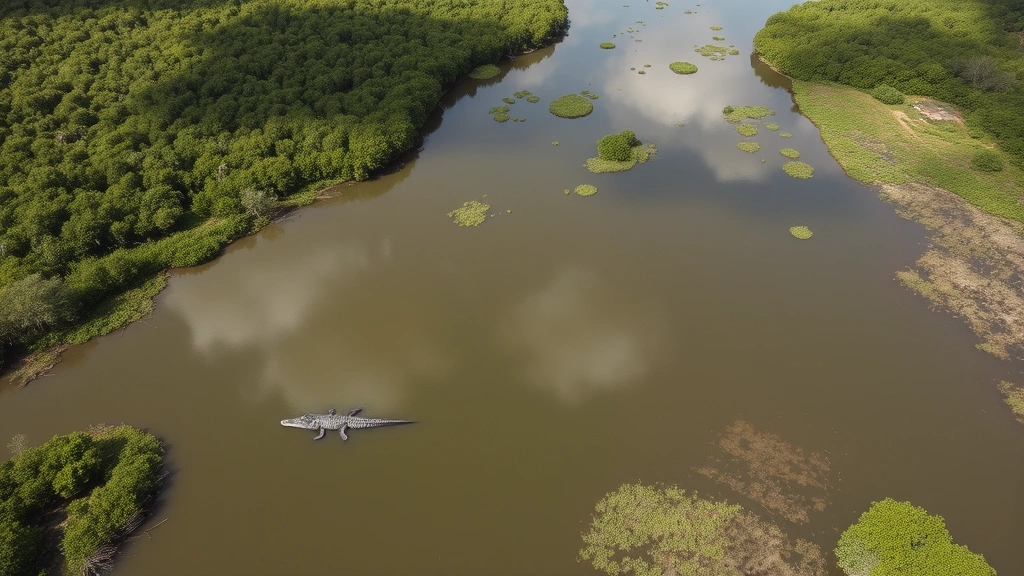
Crocodiles and Wetlands: Key Ecosystem Benefits
Crocodiles represent one of Earth’s most ancient and ecologically significant predators, with evolutionary lineages stretching back over 200 million years. These apex reptiles inhabit wetland ecosystems across tropical and subtropical regions, functioning as keystone species that fundamentally structure their environments. The relationship between crocodiles and wetlands exemplifies the intricate interdependencies within natural systems, where a single species can regulate nutrient cycling, maintain biodiversity, and influence water quality across entire landscapes.
Understanding the crocodile environment requires examining how these apex predators interact with wetland hydrology, vegetation patterns, and prey communities. Wetlands—including marshes, swamps, mangroves, and floodplain systems—depend upon crocodile populations to maintain ecological balance and resilience. As we face accelerating biodiversity loss and ecosystem degradation, recognizing crocodiles’ multifaceted roles becomes essential for conservation strategy and wetland management. This analysis synthesizes ecological, economic, and ecosystem service perspectives on why protecting crocodile populations and their wetland habitats constitutes a fundamental environmental imperative.
Crocodiles as Keystone Species in Wetland Ecosystems
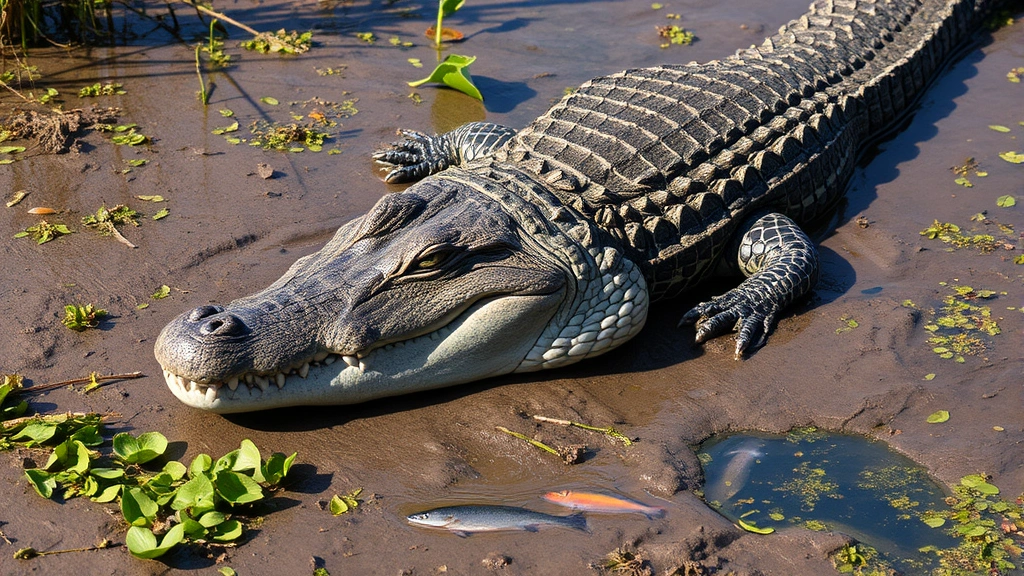
Keystone species exert disproportionate ecological influence relative to their biomass, and crocodiles exemplify this principle across wetland environments. Through predation, habitat modification, and nutrient redistribution, crocodiles shape ecosystem structure and function in ways that cascade throughout food webs and physical environments. The presence or absence of crocodile populations fundamentally alters wetland community composition, vegetation patterns, and hydrological processes.
Crocodiles regulate prey populations through selective predation, preventing any single species from achieving dominance that would destabilize community structure. In freshwater wetlands, crocodiles consume fish, amphibians, reptiles, and mammals at rates that maintain prey diversity and prevent competitive exclusion. This predatory role prevents trophic cascades that could fundamentally reorganize ecosystem structure. Additionally, crocodiles modify wetland habitats through basking site creation, nesting burrow construction, and movement patterns that alter water flow and sediment distribution.
The scientific definition of environment encompasses all living and non-living components interacting within defined spatial boundaries. Within this framework, crocodiles function as environmental engineers, physically restructuring wetland habitats through their activities. Their basking platforms compact vegetation, creating open water areas that enhance light penetration and support aquatic plant communities. Their burrows increase soil aeration and create microhabitats for smaller organisms. These modifications persist across seasons and years, creating environmental legacies that support other species.
Research from the World Bank’s agricultural water management initiatives demonstrates how apex predators influence water resource quality and availability in tropical wetland systems. Crocodile populations directly affect wetland productivity through their ecological engineering activities, which indirectly influence water availability for human users and dependent communities.
Nutrient Cycling and Water Quality Enhancement
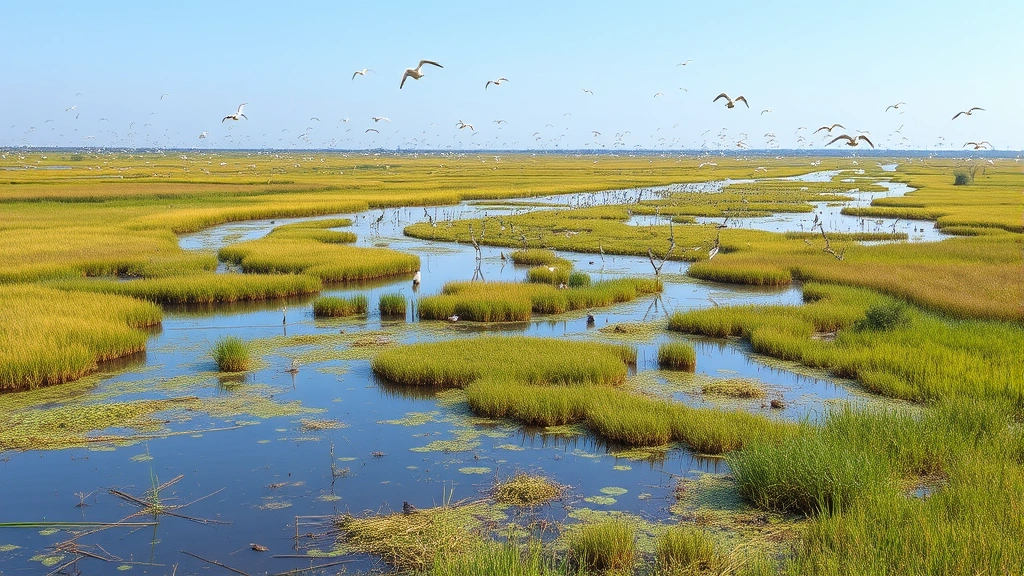
Wetlands function as biogeochemical processors, cycling nutrients through complex pathways involving sediments, water columns, and biological communities. Crocodiles participate in these nutrient cycles through consumption, excretion, and decomposition patterns that redistribute nutrients across spatial and temporal scales. Their role in nutrient cycling has profound implications for water quality, primary productivity, and ecosystem resilience.
When crocodiles consume prey, they concentrate nutrients from across the wetland into their bodies. Subsequent excretion and eventual decomposition redistribute these nutrients to sediments and water columns, creating nutrient-rich zones that support microbial communities and aquatic vegetation. This process accelerates nutrient cycling rates compared to systems lacking apex predators. Crocodile feces contain concentrated nutrients including nitrogen and phosphorus, which stimulate primary productivity in receiving waters and support the microbial loop that underpins wetland food webs.
The predatory activities of crocodiles also influence nutrient cycling by altering prey community composition and size structure. By consuming larger prey items, crocodiles redirect energy and nutrients through trophic pathways that differ from systems dominated by smaller predators. This trophic restructuring affects how nutrients accumulate in different ecosystem compartments and influences the efficiency of nutrient cycling throughout the system.
Water quality improvements resulting from crocodile presence operate through multiple mechanisms. Crocodiles consume prey species that might otherwise degrade water quality through excessive algal consumption or sediment disturbance. By maintaining prey communities in balanced states, crocodiles indirectly promote water clarity, appropriate nutrient concentrations, and conditions suitable for diverse aquatic communities. Studies documenting wetland water quality in crocodile-inhabited versus crocodile-depleted systems show significant differences in dissolved oxygen, nutrient concentrations, and turbidity levels.
Biodiversity Support and Trophic Regulation
Biodiversity represents a fundamental ecosystem property that supports resilience, productivity, and adaptive capacity across environmental gradients and disturbance regimes. Crocodiles directly support biodiversity through multiple pathways, including prey regulation, habitat provision, and trophic structure maintenance. Wetlands with healthy crocodile populations consistently demonstrate higher species richness and functional diversity compared to systems where crocodiles have been depleted or eliminated.
Crocodile predation prevents competitive dominance by prey species, maintaining community composition that favors multiple species coexistence. This predation-mediated coexistence increases overall biodiversity by preventing monopolization of resources by competitively superior species. The resulting diverse prey communities support higher trophic levels and create complex food webs characterized by multiple pathways for energy flow and nutrient cycling.
Beyond direct predation effects, crocodiles create habitat heterogeneity that supports diverse species. Their basking sites, burrows, and movement patterns create microhabitats with distinct hydrological, light, and substrate characteristics. These microhabitats support specialized communities of plants, invertebrates, amphibians, and fish that might not persist in homogeneous environments. The habitat complexity created by crocodile activities increases niche availability and supports higher overall biodiversity.
Crocodiles also support biodiversity through trophic regulation mechanisms that extend beyond their direct predatory effects. By consuming herbivorous fish and invertebrates, crocodiles indirectly support primary producers through reduced grazing pressure. This allows aquatic vegetation to establish and persist, creating structural complexity and food resources for numerous other species. The vegetation communities supported by crocodile-mediated herbivory regulation provide nesting habitat for birds, breeding substrate for amphibians, and foraging grounds for diverse vertebrates and invertebrates.
Economic Value of Crocodile-Dependent Wetlands
Ecosystem services—the benefits humans derive from natural systems—have substantial economic value that often exceeds traditional extractive resource values. Crocodile-dependent wetlands provide diverse ecosystem services including water purification, flood regulation, climate stabilization, and resource provision. Quantifying these services reveals economic values that justify conservation investment and sustainable management approaches.
Water purification services provided by crocodile-inhabited wetlands derive from multiple mechanisms. Wetland vegetation removes excess nutrients, sediments, and contaminants from water passing through the system. Crocodiles support this vegetation through predatory regulation of herbivorous species. The economic value of water purification can be estimated by calculating the cost of alternative treatment methods or the health benefits resulting from improved water quality. For many tropical regions, wetland water purification services provide economic value exceeding $10,000 per hectare annually.
Flood regulation represents another critical ecosystem service provided by crocodile-dependent wetlands. During high rainfall events, wetlands absorb and temporarily store water, reducing downstream flooding and associated economic damages. Crocodile populations maintain wetland vegetation and substrate characteristics that enhance water storage capacity. Economic valuation of flood regulation services often exceeds $5,000 per hectare annually in regions with significant flood risk.
Fisheries productivity in crocodile-inhabited wetlands provides direct economic benefits through sustenance fishing and commercial harvest. The biodiversity supported by crocodile-mediated regulation creates diverse fish communities that support productive fisheries. Communities dependent upon wetland fisheries derive substantial portions of dietary protein and income from these systems. Conservation of crocodile populations directly supports fisheries productivity and associated human livelihoods.
Tourism represents an increasingly significant economic benefit provided by crocodile populations. Ecotourism centered on wildlife viewing, particularly of charismatic megafauna like crocodiles, generates substantial revenue in many tropical regions. Countries including Australia, Costa Rica, and several African nations derive millions of dollars annually from crocodile-related tourism. This economic value creates strong incentives for habitat protection and population management oriented toward sustainable utilization rather than exploitation.
The United Nations Environment Programme’s water and wetland initiatives document ecosystem service values across diverse wetland systems, consistently demonstrating that conservation of apex predators like crocodiles yields economic benefits exceeding alternative land-use options. These findings support policy frameworks that prioritize wetland conservation and crocodile population recovery.
Climate Resilience and Carbon Sequestration
Climate change represents an unprecedented threat to wetland ecosystems and the species they support. However, crocodile-dependent wetlands demonstrate enhanced climate resilience through multiple mechanisms related to carbon sequestration, hydrological stability, and adaptive capacity. Understanding these relationships reveals how apex predator conservation contributes to climate change mitigation and adaptation strategies.
Wetlands rank among Earth’s most productive ecosystems in terms of carbon sequestration, storing carbon at rates exceeding terrestrial forests. Crocodile-dependent wetlands maintain vegetation communities and hydrological conditions that maximize carbon sequestration capacity. By regulating herbivorous species through predation, crocodiles allow aquatic vegetation to establish and persist, increasing primary productivity and carbon fixation rates. This vegetation ultimately contributes to sediment accumulation and soil carbon storage.
The carbon stored in wetland soils and sediments remains sequestered for decades to centuries when wetland hydrology remains stable. Crocodile populations support this long-term carbon storage through habitat maintenance activities and predatory regulation that preserves vegetation communities. Wetlands with healthy crocodile populations sequester carbon at rates of 1-2 metric tons per hectare annually, comparable to or exceeding rates in temperate forests.
Climate resilience in crocodile-dependent wetlands also derives from hydrological stability and adaptive capacity. Crocodile-maintained vegetation communities and habitat complexity buffer wetland systems against hydrological extremes associated with climate change. Enhanced water storage capacity reduces flooding during high precipitation events and maintains water availability during droughts. These hydrological stabilizing effects reduce vulnerability to climate-driven disturbances and maintain ecosystem functions across variable conditions.
Crocodile populations themselves demonstrate adaptive capacity that supports long-term persistence under climate change scenarios. Their ability to utilize diverse prey, adjust reproductive timing, and move between habitat patches enables population-level responses to changing environmental conditions. Maintaining viable crocodile populations preserves this adaptive capacity and supports ecosystem resilience.
Threats to Crocodile Populations and Mitigation Strategies
Despite their ecological importance and economic value, crocodile populations face severe threats from habitat loss, overexploitation, pollution, and climate change. Addressing these threats requires integrated conservation strategies that combine habitat protection, population management, and human livelihood considerations. Understanding specific threats enables development of targeted mitigation approaches.
Habitat loss represents the primary threat to crocodile populations across their global range. Wetland conversion for agriculture, urban development, and infrastructure expansion eliminates essential crocodile habitat and disrupts ecological processes that maintain ecosystem health. In many regions, over 50% of historic wetland extent has been converted to alternative land uses. This habitat loss directly reduces crocodile population sizes and fragments remaining populations, reducing genetic diversity and adaptive capacity.
Overexploitation through hunting, trapping, and egg collection has historically devastated crocodile populations. While international trade restrictions through CITES (Convention on International Trade in Endangered Species) have reduced legal trade, illegal hunting persists in many regions. Crocodile skins command high prices in international markets, creating strong incentives for poaching. Addressing overexploitation requires enforcement of legal protections, community engagement in conservation, and development of alternative livelihoods that reduce dependence on crocodile exploitation.
Pollution including pesticides, heavy metals, and plastic debris contaminates wetland systems and directly harms crocodile populations. Chemical contaminants accumulate in crocodile tissues through trophic transfer, reaching concentrations that impair reproduction, immune function, and survival. Plastic pollution entangles crocodiles and contaminates prey species. Addressing pollution requires regulation of agricultural and industrial practices, improved waste management, and pollution prevention at source.
Climate change threatens crocodiles through multiple pathways including altered precipitation patterns, temperature extremes, and sea-level rise. Many crocodile species show temperature-dependent sex determination, making them vulnerable to climate-driven shifts in environmental conditions. Changes in wetland hydrology alter habitat suitability and prey availability. Coastal crocodile populations face threats from saltwater intrusion and habitat loss associated with sea-level rise. Mitigation strategies must include both emissions reduction to limit climate change magnitude and adaptation measures that support crocodile persistence under changing conditions.
Conservation strategies addressing these threats include establishment of protected areas that safeguard critical habitat, enforcement of legal protections against poaching, community-based management programs that integrate conservation with livelihood development, and captive breeding programs that support population recovery. These approaches must be tailored to specific regional contexts and integrated with broader wetland management and environmental protection frameworks.
Case Studies: Successful Crocodile Conservation Models
Examining successful crocodile conservation initiatives reveals effective strategies for protecting these species while supporting human communities and maintaining ecosystem functions. Several regions have achieved substantial population recoveries through integrated management approaches that combine legal protection, habitat restoration, and community engagement.
Australia’s saltwater crocodile recovery represents one of conservation’s most successful achievements. Following near-extinction from unregulated hunting in the mid-20th century, populations recovered to current levels exceeding 100,000 individuals through strict legal protection, habitat management, and sustainable use programs. The Australian model demonstrates how apex predator recovery can occur rapidly when threats are addressed comprehensively. Current management allows limited harvest for traditional purposes and controlled commercial use, generating economic benefits while maintaining population viability. This approach has become a model for other nations seeking to balance conservation with sustainable utilization.
Costa Rica’s crocodile conservation program combines legal protection with community engagement and ecotourism development. Crocodile populations have recovered substantially since the 1970s when they faced severe threats from hunting. Community-based conservation programs have engaged local residents in population monitoring and habitat protection, creating economic incentives for conservation. Ecotourism centered on crocodile viewing has generated substantial revenue that supports conservation efforts and local economies. This model demonstrates how economic benefits from apex predators can align with conservation objectives.
India’s gharial (Gavialis gangeticus) recovery program illustrates the potential for intensive management to recover critically endangered species. Gharial populations declined to fewer than 100 individuals in the 1970s due to habitat loss, dam construction, and hunting. Intensive captive breeding, habitat restoration, and legal protection have increased populations to over 2,000 individuals. While still far below historic levels, this recovery demonstrates that even severely depleted populations can recover through dedicated conservation efforts. The program integrates ecological restoration of river systems with species management, recognizing that gharial recovery requires both species-specific interventions and ecosystem-level management.
These case studies reveal common elements of successful conservation: legal protection combined with effective enforcement, habitat restoration and management, community engagement and benefit-sharing, and integration of conservation with sustainable use where appropriate. Understanding how these elements interact and contribute to conservation success enables development of effective strategies in other regions and for other species.
Integrating Crocodile Conservation with Broader Environmental Goals
Crocodile conservation aligns with multiple environmental objectives including climate change mitigation through carbon sequestration, biodiversity protection, and sustainable development. Recognizing these multiple objectives creates opportunities for integrated conservation strategies that generate co-benefits across environmental domains.
Wetland protection for crocodile conservation simultaneously protects critical habitats for migratory birds, supports fisheries productivity, maintains water quality, and sequesters carbon. This multifunctional approach to conservation generates multiple benefits that justify investment in wetland restoration and management. Rather than viewing crocodile conservation as competing with other environmental objectives, integrated approaches recognize synergies and complementarities across conservation goals.
The definition of environment and environmental science encompasses integrated approaches that recognize complex interdependencies within natural systems. Crocodile conservation exemplifies this integrative perspective by addressing ecological, economic, and social dimensions of environmental management simultaneously. Successful conservation requires understanding how apex predators influence ecosystem processes, how ecosystem services support human wellbeing, and how management practices can align conservation with sustainable development objectives.
Policy frameworks supporting crocodile conservation should integrate species-specific management with broader wetland conservation, climate action, and sustainable development initiatives. This integration creates opportunities for collaborative conservation efforts that leverage resources and expertise across multiple stakeholder groups. International cooperation through organizations like IUCN (International Union for Conservation of Nature) facilitates knowledge sharing and coordinated management across political boundaries.
Future Directions and Research Priorities
Advancing crocodile conservation and wetland management requires continued research addressing multiple knowledge gaps and emerging challenges. Priority research areas include understanding crocodile population dynamics under climate change, documenting ecosystem service values across diverse wetland types, and developing innovative conservation strategies that integrate apex predator management with human development objectives.
Climate change impacts on crocodile populations remain incompletely understood, particularly regarding interactions between temperature changes, altered precipitation patterns, and ecological responses. Research documenting how crocodile populations respond to climate-driven changes in wetland hydrology, prey availability, and nesting conditions will inform adaptive management strategies. Predictive modeling of future population dynamics under various climate scenarios can guide conservation planning and resource allocation.
Economic valuation research quantifying ecosystem service values provided by crocodile-dependent wetlands remains limited in many regions. Expanding this research base would strengthen economic arguments for conservation and inform policy decisions regarding wetland protection and land-use planning. Developing standardized methodologies for ecosystem service valuation would enable comparisons across regions and support prioritization of conservation investments.
Innovative conservation strategies including habitat restoration, community-based management programs, and integration of traditional ecological knowledge with scientific approaches show promise for supporting crocodile populations and maintaining ecosystem functions. Further development and refinement of these strategies, combined with rigorous evaluation of effectiveness, will improve conservation outcomes and support scaling of successful approaches.
FAQ
What makes crocodiles keystone species in wetlands?
Crocodiles function as keystone species because they exert disproportionate ecological influence through predation, habitat modification, and nutrient redistribution. Their presence fundamentally structures food webs, maintains prey diversity, and creates habitat heterogeneity that supports numerous other species. Removal of crocodiles causes cascading ecological changes throughout wetland systems.
How do crocodiles improve water quality?
Crocodiles improve water quality by regulating prey communities that consume algae and disturb sediments. Their predatory activities maintain balanced prey communities that support aquatic vegetation, which removes excess nutrients. Crocodile excretion redistributes nutrients in patterns that support microbial communities and maintain appropriate nutrient concentrations for aquatic ecosystems.
What economic benefits do crocodiles provide?
Crocodiles provide substantial economic benefits through support of fisheries productivity, water purification and flood regulation services, and ecotourism. The ecosystem services provided by crocodile-dependent wetlands often exceed $10,000 per hectare annually, while ecotourism can generate millions of dollars nationally in regions with viable crocodile populations.
How do crocodiles support climate resilience?
Crocodiles support climate resilience through maintenance of vegetation communities that sequester carbon and stabilize wetland hydrology. Their predatory regulation of herbivorous species allows vegetation to establish and persist, maximizing primary productivity and carbon sequestration. The habitat complexity they maintain provides buffering against hydrological extremes associated with climate change.
What are the primary threats to crocodile populations?
Primary threats include habitat loss from wetland conversion, overexploitation through hunting and egg collection, pollution from agricultural and industrial sources, and climate change impacts on wetland hydrology and temperature regimes. Addressing these threats requires comprehensive strategies combining habitat protection, legal enforcement, and climate mitigation.
Which regions have successfully recovered crocodile populations?
Australia, Costa Rica, and India have achieved significant crocodile population recoveries through comprehensive conservation strategies. Australia’s saltwater crocodile recovery to over 100,000 individuals demonstrates rapid population growth possible under strict protection. Costa Rica’s community-based approach and India’s captive breeding program illustrate diverse pathways to successful conservation outcomes.
How can I support crocodile conservation?
Support crocodile conservation by advocating for wetland protection policies, supporting organizations working on crocodile conservation and wetland management, choosing sustainable tourism options that benefit local conservation efforts, and reducing consumption patterns that drive habitat loss and pollution. Education about crocodile ecological importance helps build public support for conservation initiatives.


