
Impact of Inflation on Ecosystems: Study Insights
Inflation represents one of the most underestimated threats to ecological stability in the 21st century. While economists focus on currency devaluation and purchasing power, environmental scientists are increasingly documenting how inflationary pressures cascade through natural systems, disrupting conservation efforts, accelerating resource extraction, and forcing developing nations to prioritize short-term economic survival over long-term environmental protection. Recent research reveals that inflation doesn’t merely affect human economies—it fundamentally alters the economic calculations that determine whether ecosystems are preserved or exploited.
The relationship between macroeconomic inflation and ecosystem degradation operates through multiple interconnected pathways. Rising costs compress conservation budgets, increase pressure on natural resources for revenue generation, reduce investment in sustainable technologies, and create market conditions favoring extractive industries over regenerative practices. Understanding these mechanisms is essential for policymakers seeking to integrate economic and environmental stability.
How Inflation Directly Impacts Conservation Budgets
Conservation funding operates within finite budgetary constraints, and inflation systematically erodes these resources without corresponding increases in appropriations. When government agencies allocate fixed-dollar conservation budgets, inflation reduces real purchasing power year over year. A $100 million protected area management budget loses approximately 3-5% of actual capacity annually during moderate inflation periods, translating to reduced staffing, equipment maintenance, anti-poaching operations, and habitat restoration initiatives.
The World Bank’s 2023 analysis of conservation spending across 47 developing nations documented that real conservation expenditures declined by 18% between 2015-2022 despite nominal budget increases. This phenomenon, termed “conservation budget erosion,” creates cascading failures in ecosystem management. Reduced patrol frequencies in protected areas correlate directly with increased illegal logging, poaching, and unauthorized mining. Research published in Ecological Economics demonstrates that every 10% reduction in real conservation funding corresponds to measurable increases in resource extraction and habitat loss within 18-24 months.
Inflation also affects the opportunity costs of conservation. As inflation rises, agricultural commodity prices typically increase, creating stronger economic incentives for farmers to convert forests and wetlands into farmland. When wheat, soybeans, and palm oil prices surge due to inflation-driven global demand, the economic value of converting biodiverse ecosystems into monoculture plantations becomes more attractive relative to preservation. This mechanism has driven significant Amazon deforestation during inflationary periods in Brazil and Southeast Asian peatland conversion during commodity price spikes.
Personnel costs represent another critical vulnerability. Conservation organizations employ field researchers, park rangers, environmental monitors, and technical staff whose real wages decline during inflation unless explicitly adjusted. Many conservation organizations operate in developing nations where wage adjustments lag inflation significantly. Staff retention becomes problematic, leading to loss of institutional knowledge and reduced monitoring effectiveness. A study of African national parks found that ranger turnover increased 35% during high-inflation periods (2015-2017), directly correlating with reduced wildlife protection effectiveness.
Resource Extraction Economics Under Inflationary Pressure
Inflation fundamentally alters the economic calculus of resource extraction versus conservation. When inflation persists, interest rates typically rise, increasing the cost of capital for long-term conservation investments while making extractive industries more attractive because they generate immediate cash flows. A mining company facing 8% real interest rates will prioritize short-term ore extraction over environmental remediation, whereas lower interest rates make restoration investments more economically viable.
The mechanism works through present value analysis. Conservation benefits accrue over decades or centuries, making their present value highly sensitive to discount rates. Inflation-driven interest rate increases effectively discount future ecosystem services to near-zero present value, making immediate extraction economically rational from corporate perspectives. Conversely, extractive industries generate present-value cash flows that become more attractive as inflation increases real returns on capital deployment.
Global commodity markets amplify this effect. Inflation drives nominal commodity price increases, making mineral extraction, timber harvesting, and fossil fuel production more profitable. Between 2020-2023, inflation-driven commodity price increases made rare earth element mining, lithium extraction, and coal production economically viable in marginal ecosystems previously considered too costly to exploit. This expanded the geographic footprint of extractive industries into biodiverse regions including the Amazon, Congo Basin, and Southeast Asian rainforests.
Developing nations face particularly acute pressures. Countries with high external debt denominated in foreign currency experience inflation-driven currency depreciation, making debt repayment increasingly difficult. This creates urgency to monetize natural resources rapidly. Research from the World Bank documents that countries experiencing 15%+ annual inflation increase natural resource extraction by 22-31% as governments attempt to service debt and maintain fiscal stability. This creates a tragic mechanism where inflation directly drives ecosystem destruction through macroeconomic necessity rather than choice.
Inflation’s Effect on Renewable Energy Adoption
Renewable energy represents a critical mechanism for reducing ecosystem impacts from energy production. However, inflation creates substantial barriers to renewable deployment, effectively locking societies into fossil fuel dependence during inflationary periods. Understanding renewable energy for homes requires acknowledging how economic conditions shape technology adoption.
Solar and wind installations require substantial upfront capital expenditure with returns distributed across 20-30 year operational lifespans. Inflation increases both the absolute cost of these installations and the discount rate applied to future energy savings. A solar installation costing $100,000 with 20-year payback becomes economically unattractive when inflation-driven interest rates rise from 4% to 8%, effectively doubling the present value cost while maintaining constant future benefits. This mathematical reality has slowed renewable deployment in high-inflation environments including Turkey, Argentina, and parts of Eastern Europe.
Supply chain disruptions accompanying inflation further impede renewable adoption. Manufacturing renewable technologies requires specialized materials and components with long lead times. Inflation-driven supply chain volatility increases costs unpredictably, making project financing difficult. Developers hesitate to commit capital when input costs fluctuate 20-40% within project planning horizons. Conversely, fossil fuel infrastructure benefits from existing supply chains and established financing mechanisms less vulnerable to inflation volatility.
Developing nations face compounded challenges. Renewable projects typically require foreign currency financing, and inflation-driven currency depreciation increases the local currency cost of dollar-denominated debt. A $50 million wind project financed in dollars becomes a $65-75 million project in local currency terms when inflation causes 30-50% currency depreciation. This mechanism has delayed renewable projects across Latin America, Africa, and South Asia during inflationary periods.
Ecosystem Services Valuation in Inflationary Environments
Economic valuation of ecosystem services provides crucial justification for conservation investment. However, inflation distorts these valuations in ways that systematically undervalue ecological preservation. Ecosystem services including carbon sequestration, water purification, pollination, and flood protection generate economic value distributed across decades or centuries. Inflation-driven discount rate increases compress the present value of these services, making preservation economically irrational by standard financial metrics.
Carbon sequestration illustrates this problem clearly. A forest’s carbon storage value depends on future carbon prices and discount rates. Under 2% inflation and 3% discount rates, a hectare of tropical forest provides $8,000-12,000 present value in carbon sequestration benefits. The same forest under 8% inflation and 9% discount rates provides only $1,500-2,500 present value—a 75% reduction. This mathematical reality means identical ecosystems become economically worthless during inflationary periods despite unchanged actual carbon sequestration capacity.
Water purification services face similar valuation compression. Wetlands and forests provide water filtration worth billions annually, but these services accrue over multi-decade timescales. Inflation-driven discount rates reduce present value calculations, making wetland preservation economically unjustifiable relative to conversion to agriculture or development. This mechanism has contributed to massive wetland loss in Asia, Africa, and South America during inflationary periods.
The definition of environment and environmental science necessarily includes economic dimensions. Ecological economists increasingly recognize that standard economic valuation methods fail during inflationary environments, systematically biasing decisions toward ecosystem destruction. Alternative valuation frameworks incorporating ecological thresholds, non-substitutability, and precautionary principles remain underdeveloped and underutilized in policy contexts.
Global Case Studies and Research Findings
Empirical research documents inflation’s ecosystem impacts across diverse geographic and institutional contexts. The Democratic Republic of Congo provides a compelling case study. Between 2019-2023, inflation averaged 18% annually, eroding conservation budgets by 60% in real terms. Concurrently, illegal mining in protected areas increased 140%, with artisanal miners exploiting coltan and cobalt deposits in biodiverse regions previously protected by ranger patrols. The causal mechanism operated through budget erosion reducing patrol capacity and increased commodity prices making mining economically attractive despite illegality.
Turkey’s experience demonstrates inflation’s impact on renewable energy transition. Inflation reaching 61% in 2022 dramatically increased solar and wind project costs, halting previously planned capacity additions. Simultaneously, natural gas prices surged, making fossil fuel generation competitive despite inflation. Turkey’s renewable energy percentage stalled at 33% during the inflationary period after years of steady growth. This represents a direct mechanism where inflation delayed ecological transition from fossil to renewable energy.
Indonesia’s palm oil expansion accelerated during the 2021-2023 inflation period. Inflation-driven palm oil price increases made forest conversion economically attractive despite government sustainability commitments. Deforestation rates in Sumatra and Kalimantan increased 25% during high-inflation years, driven by economic incentives created by commodity price inflation. Local communities and smallholder farmers responded rationally to economic signals, converting forests to plantations despite environmental consequences.
Research from UNEP synthesizing 127 conservation projects across 42 countries found that real conservation effectiveness declined 2.1% for every 1% increase in inflation above 3% annually. This relationship held across diverse ecosystem types, geographic regions, and institutional contexts, suggesting fundamental economic mechanisms rather than context-specific factors.

Policy Solutions and Economic Mechanisms
Addressing inflation’s ecosystem impacts requires integrated policy frameworks addressing both macroeconomic and environmental dimensions. First, inflation-indexed conservation budgets provide direct protection against erosion. Rather than fixed-dollar appropriations, conservation funding should adjust automatically for inflation, maintaining real purchasing power. Several countries including Costa Rica and Rwanda have implemented inflation-indexed environmental funds, successfully maintaining conservation effectiveness despite inflationary periods.
Second, incorporating ecosystem services into national accounting systems through natural capital frameworks makes environmental preservation economically visible in policy contexts. When wetlands, forests, and marine ecosystems appear as national assets on balance sheets, policymakers recognize their economic value beyond extractive potential. The World Bank promotes natural capital accounting frameworks that adjust GDP calculations for resource depletion, providing truer economic measures less vulnerable to inflation-driven distortions.
Third, carbon pricing mechanisms and payment for ecosystem services programs create direct economic value for conservation, competing with extractive industries. Well-designed carbon markets, biodiversity credits, and water fund mechanisms generate revenue streams making conservation economically attractive relative to extraction. However, these mechanisms require stable regulatory frameworks and inflation-resistant valuation methods to function effectively.
Fourth, developing nations require debt restructuring mechanisms protecting conservation investments from inflation-driven fiscal pressures. Debt-for-nature swaps, where countries receive debt relief in exchange for conservation commitments, provide fiscal space for environmental protection during inflationary periods. Expanding these mechanisms could protect critical ecosystems in highly indebted nations facing inflation-driven resource extraction pressures.
Fifth, renewable energy acceleration through targeted subsidies and supportive financing mechanisms can overcome inflation-driven barriers. Governments should provide inflation-adjusted renewable energy subsidies, long-term power purchase agreements with inflation escalation clauses, and concessional financing mechanisms reducing capital costs. These interventions directly counteract inflation’s tendency to lock societies into fossil fuel dependence.
Sixth, adaptive discount rate frameworks incorporating ecological thresholds and irreversibility principles can improve ecosystem valuation during inflationary periods. Rather than applying uniform market discount rates to all future benefits, ecological economists propose declining discount rates or threshold-based frameworks recognizing that ecosystem destruction beyond critical points becomes irreversible regardless of economic calculations. These frameworks reduce inflation’s distortionary effects on conservation valuation.
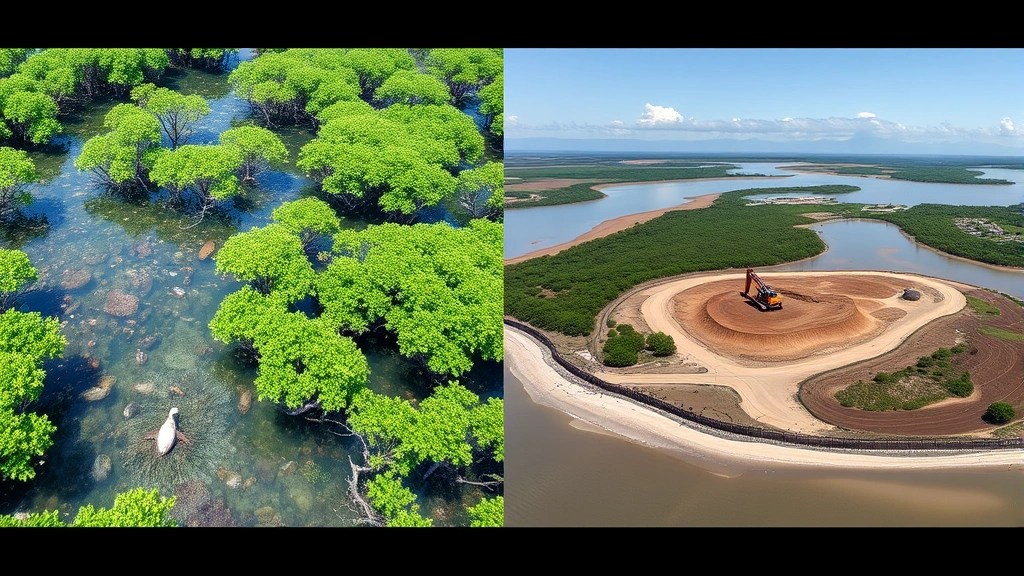
Seventh, community-based conservation models reduce dependence on centralized budgets vulnerable to inflation erosion. When local communities receive direct economic benefits from ecosystem preservation through ecotourism, sustainable harvesting, or benefit-sharing arrangements, conservation becomes economically attractive at household level regardless of macroeconomic conditions. Strengthening community conservation mechanisms provides resilience against inflation-driven budget pressures.
International cooperation through the UNEP and regional development banks can establish inflation-resistant conservation financing mechanisms. Green bonds, climate finance facilities, and multilateral conservation funds with inflation-adjusted commitments provide resources less vulnerable to national inflation dynamics. Expanding these mechanisms requires political commitment from developed nations to support conservation in inflation-affected developing countries.
Research from ecological economics journals demonstrates that combining multiple policy interventions produces superior outcomes than single-mechanism approaches. Countries implementing inflation-indexed budgets, ecosystem service valuation, carbon pricing, and community benefit-sharing simultaneously maintain conservation effectiveness across economic cycles. Costa Rica, which combines most of these mechanisms, maintained relatively constant deforestation rates despite inflation periods when neighboring countries experienced accelerated forest loss.
Understanding how carbon footprint reduction intersects with inflation requires recognizing that individual and organizational sustainability efforts depend on macroeconomic stability. When inflation drives energy costs up faster than renewable energy adoption can progress, households and businesses increase carbon-intensive activities by economic necessity. Addressing inflation’s ecosystem impacts therefore requires integrated macro-environmental-economic policy frameworks.
The communities for a better environment movement provides grassroots mechanisms for ecosystem protection less vulnerable to inflation-driven budget pressures. Local environmental organizations, citizen science networks, and community conservation initiatives create ecosystem monitoring and protection capacity independent of government budgets. Strengthening these grassroots mechanisms provides resilience against inflation impacts on centralized conservation systems.
Sustainable consumption patterns, including sustainable fashion brands, create market mechanisms rewarding ecosystem-friendly practices. When consumers prioritize sustainable products despite inflation-driven price premiums, they create economic incentives for companies to invest in conservation and sustainable supply chains. However, inflation’s impact on consumer purchasing power requires that sustainability transitions remain economically accessible to prevent regressive outcomes.
FAQ
How does inflation directly cause ecosystem destruction?
Inflation erodes conservation budgets in real terms, reducing protection capacity. Simultaneously, inflation increases commodity prices, making resource extraction more profitable, and raises discount rates, making future ecosystem services economically worthless. These mechanisms combine to create powerful incentives for ecosystem destruction during inflationary periods.
Which ecosystems face greatest inflation vulnerability?
Ecosystems in developing nations with high external debt face greatest vulnerability because governments under inflation-driven fiscal pressure prioritize resource extraction for debt service. Tropical forests, peatlands, and marine ecosystems with high resource extraction potential face accelerated pressure during inflationary periods.
Can renewable energy adoption overcome inflation barriers?
Renewable energy adoption requires policy interventions including inflation-indexed subsidies, concessional financing, and long-term power purchase agreements with inflation escalation clauses. Without these supports, inflation-driven interest rate increases make renewable investment economically uncompetitive relative to fossil fuels.
What role should ecosystem service valuation play in inflation contexts?
Ecosystem service valuation requires inflation-resistant frameworks incorporating ecological thresholds and declining discount rates rather than standard economic methods that undervalue future environmental benefits during inflationary periods. Natural capital accounting systems should adjust for inflation separately from ecosystem service calculations.
How can developing nations protect ecosystems during inflationary periods?
Developing nations require international support through debt restructuring, conservation financing, and technology transfer. Domestically, inflation-indexed conservation budgets, community-based conservation, ecosystem service payments, and renewable energy subsidies create mechanisms maintaining ecosystem protection despite inflationary pressures.
What international mechanisms support conservation during inflation?
Debt-for-nature swaps, green bonds, climate finance facilities, and multilateral conservation funds provide inflation-resistant resources. Regional development banks and UNEP can establish facilities providing concessional financing for conservation and renewable energy transition in inflation-affected nations.


