How Environment Impacts Economy: A Detailed Study
The relationship between environmental health and economic performance represents one of the most critical intersections in modern policy discourse. For decades, economists treated the natural environment as an external factor—a resource to exploit rather than a system whose degradation carries measurable economic costs. Today, mounting evidence demonstrates that environmental deterioration directly undermines economic stability, productivity, and long-term growth prospects across all sectors and income levels.
This comprehensive analysis examines the multifaceted mechanisms through which environmental conditions shape economic outcomes, from immediate operational costs to systemic financial risks. By integrating ecological economics principles with conventional economic analysis, we can understand why environmental stewardship is fundamentally an economic imperative, not merely an ethical consideration.
The Economic Cost of Environmental Degradation
Environmental degradation generates substantial direct and indirect economic losses that ripple through entire economies. The World Bank estimates that environmental damage costs developing countries approximately 4-5% of annual GDP, with some regions experiencing losses exceeding 8% when accounting for pollution, deforestation, and resource depletion combined.
When the environment deteriorates, businesses face escalating operational expenses. Water pollution necessitates expensive treatment infrastructure; air quality degradation increases healthcare expenditures and reduces worker productivity; soil contamination requires costly remediation or land abandonment. These aren’t theoretical concerns—they represent billions in annual expenditures across industries worldwide.
Agricultural sectors experience immediate financial impacts from environmental decline. Soil degradation reduces crop yields, requiring increased fertilizer inputs that compound environmental problems while raising production costs. Pollination service disruption from declining insect populations threatens harvests worth hundreds of billions annually. Fisheries collapse when marine ecosystems deteriorate, eliminating income sources for millions of workers and eliminating protein sources for billions of consumers.
Infrastructure damage from environmental factors constitutes another major economic burden. Flooding from extreme weather events costs the global economy over $100 billion annually in property damage, business interruption, and recovery efforts. Coastal erosion and sea-level rise threaten trillions in real estate value and critical port infrastructure. These costs accelerate as environmental conditions deteriorate, creating compounding economic pressures.
Natural Capital and Economic Valuation
Traditional GDP calculations exclude natural capital depreciation—the systematic degradation of environmental assets that provide essential economic services. This accounting error masks the true cost of development and creates false impressions of economic progress.
Natural capital encompasses all environmental assets that generate economic value: forests providing timber and carbon sequestration, wetlands filtering water and buffering storms, mineral deposits supporting manufacturing, fisheries sustaining communities, and atmospheric systems regulating climate. When we deplete these assets without accounting for their loss, we’re essentially reporting consumption as income—an economically nonsensical practice that would bankrupt any private enterprise.
Research from ecological economics demonstrates that properly accounting for natural capital reveals concerning economic trajectories. Several resource-dependent nations have experienced genuine wealth declines despite reported GDP growth when natural capital depreciation is included in calculations. Forests harvested unsustainably, aquifers depleted beyond recharge rates, and fisheries exploited beyond recovery thresholds represent capital destruction, not sustainable income generation.
The Science of the Total Environment Journal publishes extensive research on natural capital valuation methods. Studies consistently demonstrate that ecosystem services—pollination, water filtration, carbon sequestration, flood control—provide economic value exceeding $125 trillion annually, dwarfing global GDP. Losing these services through environmental degradation represents an economic catastrophe far exceeding any short-term gains from resource extraction.
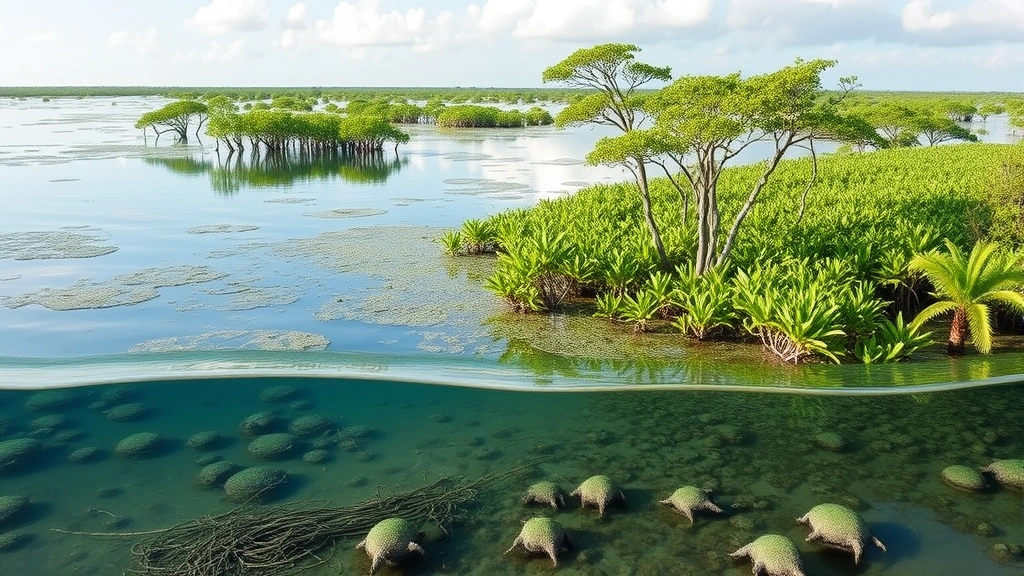
Proper environmental accounting requires understanding how ecosystem function translates to economic value. Mangrove forests, for instance, provide coastal protection worth thousands per hectare annually while supporting fisheries and carbon sequestration. Destroying mangroves for shrimp farming generates short-term profits while eliminating far greater long-term economic value—a tragic miscalculation repeated across developing economies.
Climate Change as Economic Risk
Climate change represents the most systematically analyzed environmental-economic nexus, with overwhelming evidence documenting severe economic impacts. The World Bank projects that unmitigated climate change could reduce global GDP by 10% permanently, with developing nations experiencing disproportionate losses.
Temperature increases affect economic productivity across sectors. Agricultural yields decline in most regions as heat stress reduces crop and livestock productivity. Energy demand surges for cooling while hydroelectric capacity diminishes during droughts. Heat-related mortality and morbidity increase healthcare costs while reducing labor productivity. Manufacturing efficiency declines as equipment operates in suboptimal conditions.
Supply chain disruptions from climate impacts cascade through global economies. Extreme weather events damage production facilities, interrupt transportation networks, and disrupt raw material supplies. Semiconductor manufacturing requires precise temperature control—threatened by both extreme heat and water scarcity. Agricultural supply chains face disruption from unpredictable growing seasons. Pharmaceutical production depends on stable conditions increasingly difficult to maintain.
Financial sector exposure to climate risk grows as investors recognize stranded assets—fossil fuel reserves that cannot be profitably extracted in carbon-constrained futures, real estate threatened by sea-level rise, and infrastructure vulnerable to extreme weather. Insurance markets face existential challenges as risk models become unreliable in rapidly changing climate conditions. Pension funds and sovereign wealth funds confront trillion-dollar portfolio risks from climate-related asset devaluation.
The transition to clean energy, while economically necessary, creates short-term disruptions for carbon-dependent economies and workers. However, delaying transition increases long-term costs exponentially. Early action allows gradual economic restructuring; delayed action forces abrupt, painful transitions. This economic reality explains why forward-thinking financial institutions increasingly advocate for aggressive climate policy—not from altruism, but from hard-nosed risk assessment.
Resource Scarcity and Economic Growth
Economic growth depends fundamentally on resource availability. As environmental degradation depletes critical resources, growth constraints become binding. This reality contradicts assumptions of infinite substitutability that underpin conventional growth theory.
Freshwater depletion illustrates this dynamic. Aquifers supporting agriculture, industry, and municipal water supplies face depletion in numerous regions. The Ogallala Aquifer underlying American Great Plains agriculture contains water accumulated over millennia being extracted in decades. Once depleted, vast agricultural regions lose productive capacity, eliminating output worth hundreds of billions annually. Similar situations develop across India, the Middle East, and North Africa—regions where water scarcity will constrain economic activity regardless of technological innovation or capital investment.
Mineral resource depletion creates economic constraints for manufacturing and technology sectors. High-grade ore deposits become exhausted, requiring processing of lower-grade ores with higher energy costs, greater environmental impact, and reduced profitability. Rare earth elements essential for renewable energy technology and electronics face supply constraints as environmental regulations limit extraction in many countries while geopolitical competition intensifies over remaining deposits.
Biodiversity loss undermines economic resilience through multiple pathways. Genetic diversity in crop varieties provides insurance against disease and climate variability—losing this diversity increases agricultural vulnerability. Microbial diversity in soils supports nutrient cycling essential for productivity. Pollinator diversity ensures crop pollination reliability. As biodiversity declines, these economic insurance policies disappear, increasing systemic risk and reducing productivity.
The relationship between environmental capacity and economic growth isn’t hypothetical—it’s observable in resource-dependent economies. Nations that exhausted fisheries face permanent income losses. Countries that depleted forests without sustainable management lost economic output. Regions that degraded agricultural soils experienced declining productivity. These aren’t isolated incidents; they’re predictable consequences of treating renewable resources as infinite.
Health Impacts and Productivity Loss
Environmental degradation imposes massive health costs that directly reduce economic productivity. Air pollution alone causes approximately 7 million premature deaths annually, generating healthcare costs exceeding $5 trillion globally while reducing labor force participation and output.
Particulate air pollution reduces cognitive function in children and adults, lowering educational attainment and lifetime earnings. Exposure during critical developmental periods causes permanent IQ reduction—an economic loss compounded across generations. Workers exposed to air pollution experience higher absenteeism, reduced productivity during working hours, and earlier retirement from disability.
Water contamination from industrial discharge, agricultural runoff, and inadequate sanitation causes diarrheal diseases, parasitic infections, and chemical poisoning affecting hundreds of millions globally. These health impacts concentrate in developing economies where environmental standards remain weak, perpetuating poverty cycles. Children suffering from waterborne diseases miss school, reducing educational attainment and lifetime economic potential. Adults incapacitated by disease cannot work, generating direct income loss and healthcare expenses.
Lead contamination from industrial emissions and legacy pollution causes neurological damage reducing cognitive capacity and increasing behavioral problems. Studies demonstrate that elevated childhood lead exposure reduces lifetime earnings by approximately 5% per 10 μg/dL increase—a substantial economic impact affecting millions in developing economies with minimal pollution controls.
Environmental stress increases chronic disease prevalence. Noise pollution from traffic and industry increases hypertension and cardiovascular disease. Heat stress exacerbates existing conditions. Chemical exposure increases cancer risk. Collectively, these health impacts reduce life expectancy, increase healthcare costs, and decrease productive capacity. The economic burden falls disproportionately on developing economies and low-income populations, widening inequality while reducing aggregate growth.
Workplace productivity losses from environmental health impacts receive insufficient attention in economic analysis. Heat stress reduces worker output by 5-15% in tropical and subtropical regions, with impacts increasing as temperatures rise. Dehydration and heat-related illness increase absenteeism and accident rates. Poor indoor air quality reduces cognitive function and productivity. These measurable impacts should be incorporated into climate change economic assessments but frequently are omitted, underestimating total economic costs.
Sectoral Dependencies on Environmental Health
Different economic sectors depend critically on specific environmental conditions, creating concentrated vulnerability to environmental degradation. Understanding these dependencies reveals why environmental protection constitutes sound economic policy across diverse industries.
Tourism and recreation economies depend entirely on environmental quality. Coastal tourism requires clean beaches and healthy marine ecosystems. Mountain tourism requires healthy forests and alpine environments. Cultural tourism depends on maintaining distinctive ecosystems that define regional identity. Environmental degradation in tourist destinations directly reduces visitor numbers, employment, and revenue. The Caribbean tourism industry, worth approximately $60 billion annually, faces existential threats from coral reef degradation, beach erosion, and hurricane intensification—all consequences of environmental degradation and climate change.
Agricultural productivity depends fundamentally on soil health, water availability, pollination services, and stable climate patterns. Modern industrial agriculture faces mounting challenges from soil degradation, aquifer depletion, pollinator decline, and climate variability. Yields of major crops face downward pressure from heat stress and precipitation changes. The transition toward sustainable agriculture requires understanding these environmental dependencies.
Pharmaceutical and biotechnology industries depend on biodiversity. Approximately 25% of pharmaceutical compounds derive from tropical plants, yet less than 1% of tropical plants have been screened for medicinal properties. Biodiversity loss eliminates potential drug sources before discovery. Genetic diversity in wild plant populations provides breeding material for improved crop varieties and disease-resistant strains. Destroying biodiversity eliminates future innovation potential worth billions in potential pharmaceutical and agricultural value.
Hydroelectric power generation depends on water availability and precipitation patterns. Droughts reduce generation capacity, forcing reliance on alternative energy sources at higher cost. Climate-induced changes in precipitation patterns create uncertainty for long-term energy planning. Similarly, wind and solar energy production depend on stable weather patterns. Extreme weather events damage renewable energy infrastructure. Understanding these dependencies explains why energy sector leaders increasingly advocate for environmental protection and climate action—not ideologically, but because their business models depend on environmental stability.
Fishing and aquaculture industries depend on marine ecosystem health. Overfishing depletes stocks, reducing catches and employment. Ocean acidification from carbon dioxide absorption reduces shellfish productivity. Dead zones from nutrient pollution eliminate fishing grounds. These aren’t abstract environmental concerns; they’re economic threats to industries employing millions globally.
Financial Markets and Environmental Risk
Financial markets increasingly recognize environmental degradation as a material economic risk affecting asset valuations and investment returns. This recognition drives capital reallocation toward sustainable investments and away from environmentally destructive activities.
Stranded assets represent perhaps the clearest financial manifestation of environmental-economic linkage. Fossil fuel reserves valued at trillions on corporate balance sheets become economically worthless if carbon pricing or climate policy prevents extraction. Real estate in flood-prone areas loses value as climate risks materialize. Agricultural land in water-scarce regions becomes less productive. These asset devaluations represent massive wealth destruction affecting pension funds, insurance companies, and sovereign wealth funds globally.
Insurance markets face fundamental challenges from environmental degradation and climate change. Traditional actuarial models assume stable historical patterns—assumptions increasingly invalid as climate change accelerates. Catastrophic weather events increase in frequency and intensity, raising insurance costs and reducing availability. Property insurance in coastal and flood-prone regions faces premium increases of 50-300% in coming decades. This creates economic pressure on property owners and reduces real estate values in vulnerable areas.
Credit markets incorporate environmental risk through increasing interest rate premiums for carbon-intensive industries and projects in environmentally vulnerable regions. Banks reduce lending for fossil fuel projects while increasing lending for renewable energy. This capital reallocation reflects recognition that environmental factors affect repayment probability and long-term asset value.
Sovereign debt markets increasingly price climate risk. Nations vulnerable to climate impacts face higher borrowing costs as investors demand risk premiums. Small island states threatened by sea-level rise pay higher interest rates on government bonds. Agricultural-dependent economies vulnerable to drought face increased borrowing costs. This market mechanism creates economic pressure for climate action even absent political will.
The United Nations Environment Programme documents how environmental factors increasingly influence financial stability. Central banks recognize climate risk as a financial stability issue requiring regulatory attention. The Bank for International Settlements warns that climate change poses systemic financial risk. This institutional recognition translates into regulatory changes requiring financial institutions to assess and disclose climate risks—changes that accelerate capital reallocation toward environmental sustainability.
Environmental accounting increasingly incorporates natural capital depreciation into financial analysis. Integrated reporting frameworks require disclosure of environmental impacts alongside financial performance. This transparency enables investors to incorporate environmental factors into valuation models. Companies with strong environmental management increasingly attract capital at lower cost, while environmentally destructive companies face capital constraints and higher borrowing costs.
The economic case for environmental protection strengthens continuously as financial markets price environmental risks more accurately. Investors increasingly recognize that long-term value creation requires environmental sustainability. This economic logic, distinct from environmental ethics, drives investment decisions affecting trillions in capital globally.
Policy Implications and Economic Opportunities
Understanding environmental-economic linkages reveals that environmental protection and economic prosperity are complementary rather than conflicting objectives. Policy frameworks that internalize environmental costs create economically efficient outcomes while protecting environmental assets.
Carbon pricing mechanisms—whether through taxation or cap-and-trade systems—represent economically efficient approaches to climate mitigation. By incorporating climate costs into prices, these mechanisms direct investment toward low-carbon technologies and away from carbon-intensive activities. Economic analysis demonstrates that well-designed carbon pricing generates net economic benefits by avoiding larger climate damages while stimulating innovation in clean technology.
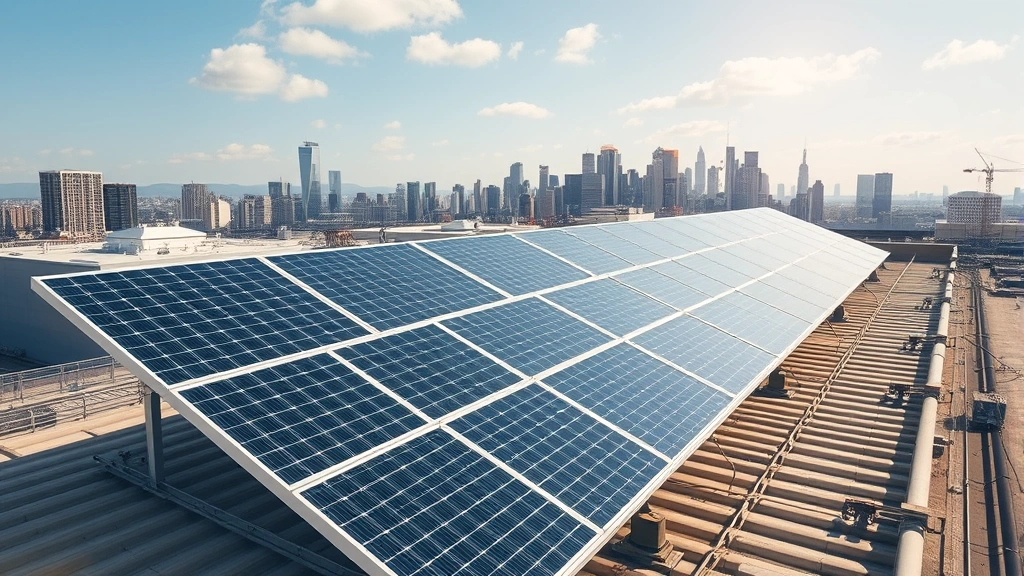
Renewable energy transition represents the clearest economic opportunity from environmental necessity. Clean energy costs have declined 90% for solar and 70% for wind over the past decade, making renewables economically competitive with fossil fuels in most markets. Continued cost declines from technological improvement create accelerating economic advantages for clean energy. The transition generates employment in manufacturing, installation, and maintenance—often in regions affected by fossil fuel industry decline.
Circular economy approaches that minimize waste and maximize resource efficiency generate economic benefits while reducing environmental impact. Recycling programs reduce raw material costs and energy consumption. Product design emphasizing durability and repairability extends asset life and reduces replacement costs. Industrial symbiosis where waste from one process becomes input for another increases efficiency and reduces disposal costs. These approaches demonstrate that environmental protection and economic efficiency align when systems are properly designed.
Natural capital investment generates economic returns while restoring environmental health. Reforestation programs provide carbon sequestration, watershed protection, and biodiversity habitat while generating timber and non-timber forest product value. Wetland restoration provides flood control, water filtration, and fishery support while reducing infrastructure costs. Coral reef protection preserves fishery productivity and tourism value while maintaining coastal protection. These investments demonstrate that environmental restoration and economic benefit are compatible objectives.
The renewable energy transition illustrates how environmental necessity drives economic opportunity. Clean energy industries employ more workers than fossil fuels globally, with employment growth accelerating. Energy efficiency improvements reduce costs while lowering environmental impact. Distributed renewable energy systems increase energy independence and resilience. These economic benefits explain why renewable energy adoption accelerates even in regions without strong environmental commitments.
Sustainable agriculture practices improve long-term productivity while reducing environmental impact. Soil conservation prevents productivity decline. Water-efficient irrigation reduces costs while extending water supplies. Integrated pest management reduces chemical input costs while maintaining yields. These practices demonstrate that environmental protection enhances rather than constrains agricultural economics over relevant time horizons.
The transition toward environmental sustainability requires policy frameworks that correctly price environmental costs and benefits. Removal of fossil fuel subsidies—estimated at $7 trillion annually when accounting for unpriced pollution and climate costs—would dramatically accelerate clean energy transition while improving fiscal positions. Environmental taxation that incorporates pollution and resource depletion costs into prices guides investment efficiently. These policy changes represent economically rational improvements rather than costly environmental sacrifices.
International cooperation on environmental protection generates economic benefits through multiple pathways. Climate agreements reduce uncertainty for long-term investment planning. Biodiversity protection preserves ecosystem services supporting economic activity. Pollution control agreements reduce health costs and productivity losses. These cooperative arrangements reflect recognition that environmental protection generates shared economic benefits exceeding costs.
FAQ
How does environmental degradation directly impact business operations?
Environmental degradation increases operational costs through multiple mechanisms: water treatment requirements from pollution, supply chain disruptions from resource scarcity, infrastructure damage from extreme weather, and increased insurance and regulatory compliance costs. Industries dependent on environmental quality—agriculture, fishing, tourism, hydropower—face immediate productivity and profitability impacts from environmental decline.
What is natural capital and why does it matter economically?
Natural capital encompasses environmental assets providing economic value: forests, fisheries, aquifers, minerals, and ecosystem services. Proper economic accounting requires including natural capital depreciation in GDP calculations. Current accounting practices ignore asset depletion, creating false impressions of economic progress while actual wealth declines. Understanding natural capital is essential for accurate economic assessment and sustainable policy design.
How does climate change create financial risks?
Climate change creates financial risks through multiple pathways: stranded assets (fossil fuel reserves becoming uneconomical), real estate devaluation (properties in flood-prone areas), insurance cost increases and availability reduction, increased sovereign debt costs (climate-vulnerable nations), and operational disruptions (extreme weather damaging infrastructure). Financial markets increasingly price these risks, affecting investment returns and capital availability.
Can economic growth continue without environmental improvement?
Unlimited growth without environmental improvement is mathematically impossible. Resource depletion creates binding constraints on economic expansion. Degraded environmental conditions reduce productivity across sectors. Accumulating climate damages impose increasing costs reducing net economic growth. Long-term economic growth requires environmental sustainability—not as an ethical choice, but as an economic necessity. The relevant question is whether growth transitions toward sustainability voluntarily or through forced contraction from environmental constraints.
What economic sectors are most vulnerable to environmental degradation?
Tourism, agriculture, fisheries, hydroelectric power, and insurance face direct vulnerability to environmental degradation. Manufacturing sectors dependent on specific environmental conditions (semiconductors requiring stable temperatures, pharmaceuticals depending on biodiversity) face supply constraints. Financial sectors face asset valuation risks. Understanding these sectoral dependencies reveals why environmental protection benefits diverse economic interests beyond environmental constituencies.
How do environmental costs affect developing economies differently?
Developing economies experience disproportionate environmental costs because their economies depend more heavily on natural resource extraction and environmental services, their populations face greater health impacts from pollution, and their limited resources constrain adaptation to environmental challenges. Climate change projections show developing nations experiencing economic losses 2-5 times larger than developed nations as percentage of GDP. This disparity creates both economic and political pressures for environmental action and climate justice.
What policy approaches best integrate environmental and economic objectives?
Carbon pricing, environmental taxation, natural capital accounting, circular economy policies, and investment in environmental restoration represent economically efficient approaches to environmental protection. These policies work by correctly pricing environmental costs and benefits, creating economic incentives aligned with environmental protection. Evidence demonstrates that well-designed environmental policies generate net economic benefits by avoiding larger environmental damages while stimulating innovation.


