Jellyfish Blooms: Threat or Boon? Marine Expert Insights
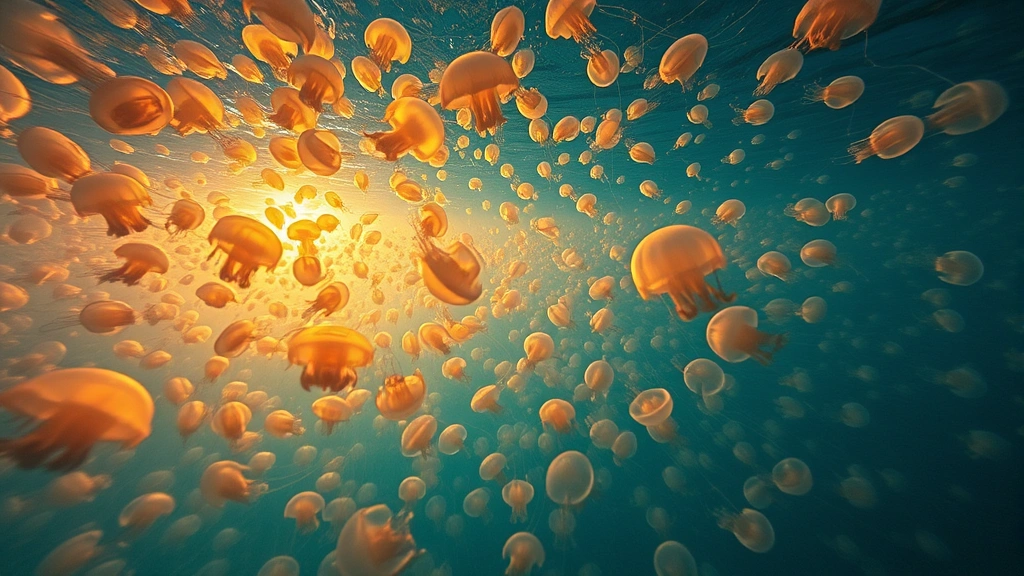
Jellyfish blooms represent one of the ocean’s most paradoxical phenomena. These gelatinous creatures, which have existed for over 500 million years, are experiencing unprecedented population explosions across the world’s oceans. Scientists debate whether these blooms constitute an ecological catastrophe or an indicator of broader systemic changes in marine ecosystems. The economic implications are equally complex, affecting fisheries, tourism, energy production, and coastal communities worldwide. Understanding jellyfish blooms requires examining their ecological drivers, economic consequences, and potential management strategies through an integrated lens of marine biology and ecological economics.
Recent decades have witnessed dramatic increases in jellyfish populations globally, with some regions reporting blooms of staggering proportions. The Mediterranean Sea, the Black Sea, the Baltic Sea, and numerous coastal zones have experienced recurring jellyfish invasions that disrupt human activities and challenge scientific understanding. What was once considered a natural oceanographic phenomenon has become a pressing concern for policymakers, fishermen, and conservation professionals. Yet paradoxically, some researchers suggest jellyfish may serve important ecological functions and even represent economic opportunities in a rapidly changing marine environment.
Understanding Jellyfish Bloom Dynamics
Jellyfish blooms occur when environmental conditions allow rapid reproduction and population growth of jellyfish species. Unlike most marine organisms with complex larval development, many jellyfish species can reproduce asexually through strobilation, a process where polyps generate multiple medusae simultaneously. This reproductive strategy enables explosive population growth when conditions align favorably. A single polyp can produce hundreds of jellyfish within weeks, creating biomass accumulations that fundamentally alter marine communities.
The phenomenon is not entirely new. Historical records document jellyfish blooms dating back centuries, suggesting natural cycles of population fluctuation. However, contemporary blooms appear more frequent, more intense, and more geographically widespread than historical precedent. The Black Sea experienced a catastrophic bloom of the comb jelly Mnemiopsis leidyi in the 1980s, devastating the region’s fishery and collapsing anchovy populations. The Mediterranean continues experiencing annual blooms of Pelagia noctiluca, while the Adriatic faces recurring invasions of lion’s mane jellyfish. These events suggest fundamental shifts in ocean conditions favoring jellyfish proliferation.
Scientific consensus identifies multiple interacting factors driving bloom formation. Overfishing removes fish predators and competitors that would naturally control jellyfish populations. Eutrophication from agricultural runoff and sewage creates oxygen-depleted dead zones where jellyfish thrive while competing species perish. Climate warming alters ocean temperatures, salinity, and currents, creating conditions suitable for jellyfish expansion into new regions. Coastal development and habitat destruction eliminate natural controls on jellyfish reproduction. Understanding these drivers is essential for developing effective management responses rooted in ecological economics principles.
Environmental Drivers and Climate Change
Climate change represents the primary forcing mechanism behind observed jellyfish bloom intensification. Warming oceans expand the geographic range where jellyfish species can survive and reproduce. Temperature increases accelerate jellyfish metabolism and reproduction rates while simultaneously reducing oxygen availability in surface waters. World Bank climate research documents how ocean warming fundamentally restructures marine food webs, favoring gelatinous organisms over traditional fish species.
Ocean acidification, resulting from increased atmospheric carbon dioxide absorption, presents another critical driver. While jellyfish possess simple calcium carbonate structures, they tolerate acidic conditions better than many competitors. Pteropods, seahorses, and other organisms with complex calcified structures suffer reduced reproduction and survival in acidified waters, removing dietary competitors for jellyfish. This creates competitive release, allowing jellyfish to monopolize zooplankton resources previously shared with other species.
Deoxygenation represents a third climate-related driver of jellyfish proliferation. UNEP marine assessments reveal expanding oxygen minimum zones in coastal waters worldwide. Jellyfish tolerate hypoxic conditions far better than most fish species, gaining competitive advantage in oxygen-depleted regions. The Baltic Sea’s persistent hypoxic zones support extensive jellyfish populations while supporting minimal fish communities. These three climate-driven mechanisms—warming, acidification, and deoxygenation—interact synergistically to create ideal conditions for jellyfish expansion.
Coastal eutrophication amplifies climate-driven jellyfish proliferation. Agricultural nitrogen and phosphorus runoff stimulates phytoplankton blooms, creating abundant food for jellyfish polyps and medusae. The resulting organic matter decomposition further depletes oxygen, creating the hypoxic conditions jellyfish prefer. This feedback loop means that regions experiencing both climate change and agricultural pollution face particularly intense jellyfish blooms. Understanding this relationship requires examining how water pollution affects the environment through an integrated economic lens.
Economic Impacts on Fishing and Tourism
Jellyfish blooms generate substantial economic costs for coastal communities dependent on marine resources. Commercial fisheries suffer direct losses when jellyfish clog fishing nets, contaminate catches, and sting workers. Mediterranean fishermen report annual losses exceeding €100 million from jellyfish-related disruptions. When jellyfish biomass rivals fish biomass in affected regions, fisheries collapse economically even as total marine productivity remains constant. This represents a fundamental shift in ecosystem services valuation—marine productivity becomes economically worthless when embodied in jellyfish rather than commercial fish species.
Tourism sectors face significant challenges from jellyfish blooms. Mediterranean and Caribbean beach destinations lose revenue when jellyfish stings deter swimmers and force beach closures. A single intense bloom season can reduce tourism revenue by 10-30% in affected regions, impacting thousands of small businesses dependent on summer visitors. Hotel occupancy rates decline, restaurant revenues fall, and employment in tourism-dependent communities suffers. These economic losses extend beyond direct tourism impacts to affect transportation, retail, and service sectors relying on tourist expenditures.
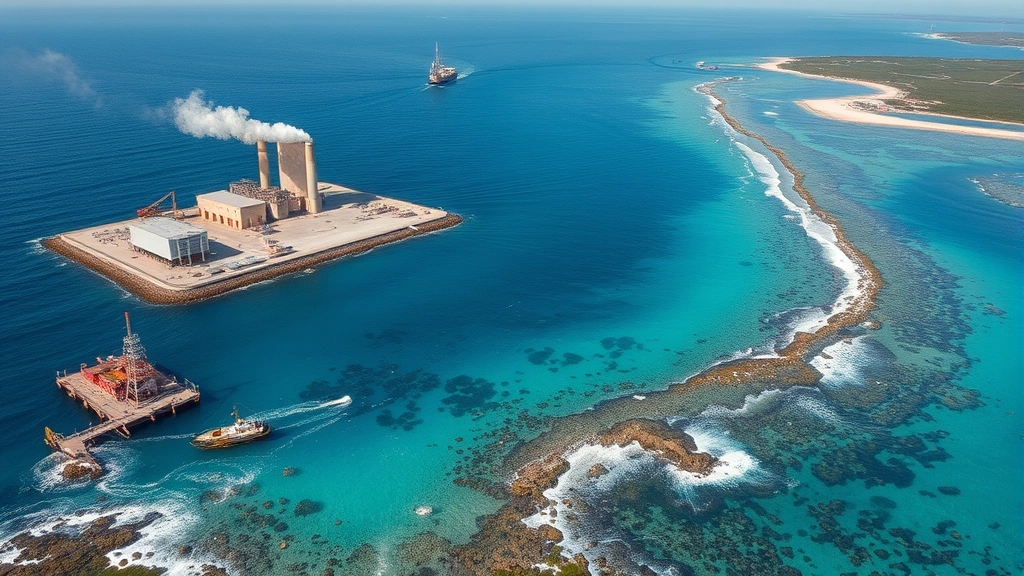
Energy production facilities experience operational disruptions when jellyfish blooms clog cooling water intake systems. Nuclear and thermal power plants require enormous volumes of seawater for cooling. Jellyfish accumulation in intake pipes forces facility shutdowns for cleaning, reducing power generation capacity during peak demand periods. Mediterranean power plants have experienced extended shutdowns costing millions in lost production. This vulnerability represents a critical infrastructure risk as climate change intensifies jellyfish blooms in regions hosting major energy facilities.
The broader economic principle underlying these impacts relates to ecosystem service valuation. When environmental conditions shift from supporting valuable fish species to supporting jellyfish, the economic productivity of marine ecosystems declines substantially. This phenomenon illustrates how ecological changes directly translate to economic consequences. Addressing jellyfish blooms requires understanding these economic mechanisms and their connection to underlying environmental drivers, as discussed in our blog home and related environmental economics content.
Ecological Roles and Ecosystem Services
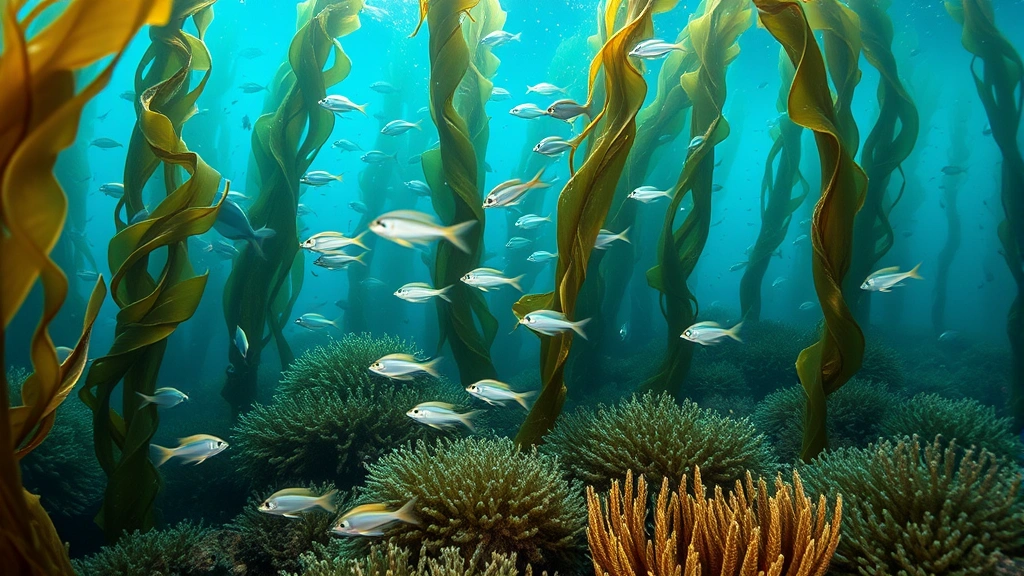
Despite their reputation as ecological nuisances, jellyfish fulfill important ecosystem functions that deserve serious consideration. Jellyfish convert plankton into biomass that becomes available to higher trophic levels through predation and detrital pathways. Sea turtles, ocean sunfish, and some seabirds feed extensively on jellyfish, making bloom years particularly productive for these species. In the Black Sea, jellyfish blooms supported increased production of valuable predatory species, creating complex food web dynamics that simplistic threat narratives overlook.
Jellyfish mediate nutrient cycling through vertical migration and nutrient excretion patterns. Gelatinous zooplankton transport organic matter from surface waters to deep ocean layers through diel vertical migration and sinking of jellyfish carcasses. This biological pump mechanism affects ocean carbon sequestration and nutrient distribution. Jellyfish detritus enriches deep-sea benthic communities, supporting specialized organisms adapted to periodic pulses of organic material. These ecosystem services have substantial but poorly quantified economic value in terms of carbon cycling and nutrient provision.
Jellyfish also occupy ecological niches that might otherwise remain unfilled. In heavily disturbed marine systems where traditional fish-based food webs have collapsed, jellyfish provide an alternative energy pathway supporting remaining predators and scavengers. This functional role prevents complete ecosystem collapse in severely degraded regions. Some researchers argue jellyfish represent a transitional state in ecosystem succession, potentially stabilizing systems during recovery from anthropogenic disturbance. This perspective suggests management strategies should focus on reducing underlying stressors rather than eliminating jellyfish populations.
The economic value of jellyfish ecosystem services remains poorly understood and underestimated in policy discussions. Jellyfish contribute to carbon sequestration, nutrient cycling, and food web maintenance, services that would require substantial investment to replace through technological means. Incorporating jellyfish ecological services into ecosystem service valuation frameworks could fundamentally alter cost-benefit analyses of bloom management strategies. This requires interdisciplinary collaboration between marine ecologists and ecological economists to quantify previously overlooked value.
Management Strategies and Solutions
Addressing jellyfish blooms requires multi-faceted management approaches targeting underlying environmental drivers rather than jellyfish populations directly. Reducing overfishing allows recovery of fish populations that naturally control jellyfish through predation and competition. Ecological economics research demonstrates that fishery management policies restoring predatory fish populations effectively suppress jellyfish blooms through restored trophic control. However, this approach requires substantial changes in fishing practices and generates short-term economic disruption for fishing communities.
Nutrient pollution reduction represents another critical management lever. Implementing agricultural best management practices, upgrading wastewater treatment infrastructure, and restoring riparian buffer zones reduces eutrophication driving jellyfish proliferation. These interventions require capital investment and behavioral change but generate co-benefits including improved water quality, reduced hypoxic zones, and restored fish populations. The economic case for nutrient reduction strengthens when accounting for ecosystem service improvements alongside direct pollution control benefits.
Climate change mitigation stands as the foundational long-term strategy for addressing jellyfish bloom drivers. Reducing greenhouse gas emissions slows ocean warming, acidification, and deoxygenation, addressing the primary forcing mechanisms behind jellyfish expansion. However, climate mitigation requires global coordination and substantial economic transformation. Interim adaptation strategies must proceed simultaneously, including development of jellyfish-tolerant aquaculture species, improved forecasting systems, and infrastructure hardening against bloom disruptions.
Emerging management approaches involve direct jellyfish harvest and utilization. Several countries explore commercial jellyfish fishing for food, pharmaceuticals, and industrial applications. Asian markets consume substantial jellyfish quantities, creating potential economic value from blooms. Developing sustainable jellyfish harvest industries could provide economic incentives for bloom management while generating employment for displaced fishermen. This approach exemplifies how understanding health safety environment concerns alongside economic opportunities enables innovative solutions.
Emerging Opportunities and Innovation
The jellyfish bloom phenomenon, while presenting challenges, generates novel economic opportunities in biotechnology and materials science. Jellyfish proteins, particularly green fluorescent protein (GFP), have revolutionized biological research and diagnostics. Commercial applications derived from jellyfish proteins generate billions in annual economic value. As jellyfish populations expand, these organisms become more accessible for sustainable harvesting and biotechnology development, potentially generating revenues that offset bloom-related costs.
Jellyfish-based food products represent emerging market opportunities. Traditional Asian jellyfish consumption demonstrates substantial market demand. Developing sustainable jellyfish harvest and processing industries could provide economic returns while reducing bloom impacts. Research into jellyfish nutritional content, culinary applications, and food safety protocols expands potential markets. This represents a circular economy approach where ecological problems become resource opportunities when properly managed.
Pharmaceutical and cosmetic applications of jellyfish compounds drive increasing research investment. Jellyfish-derived collagen, elastin, and other proteins show promise in anti-aging cosmetics, wound healing, and regenerative medicine. As jellyfish blooms increase availability of source material, commercial development of these applications becomes economically viable. This illustrates how ecological change can drive innovation in high-value industries, partially offsetting economic losses in traditional sectors.
Advanced forecasting systems enable proactive management of jellyfish blooms. Satellite monitoring, environmental sensor networks, and predictive modeling allow early detection of bloom formation, enabling preventative interventions before economic impacts materialize. Investment in monitoring infrastructure and forecasting technology represents cost-effective adaptation, particularly compared to reactive management after bloom impacts occur. These systems exemplify how technological innovation supports ecological management aligned with economic sustainability.
Interdisciplinary research combining marine ecology, economics, and policy science generates comprehensive bloom management frameworks. University research centers and government agencies increasingly collaborate on integrated approaches addressing ecological, economic, and social dimensions simultaneously. This reflects recognition that sustainable solutions require moving beyond single-discipline perspectives toward holistic understanding of human-ocean system interactions. Such approaches acknowledge that jellyfish blooms result from multiple human activities and environmental changes requiring coordinated responses across sectors.
FAQ
What causes jellyfish blooms to occur?
Jellyfish blooms result from multiple interacting factors including climate warming, ocean acidification, deoxygenation, overfishing, and coastal eutrophication. These drivers create conditions favoring jellyfish reproduction while suppressing competing species. Climate change represents the primary contemporary driver, with warming oceans expanding jellyfish habitat ranges and accelerating reproduction rates.
Are jellyfish blooms increasing in frequency and intensity?
Scientific evidence indicates jellyfish blooms have become more frequent, more intense, and more geographically widespread over recent decades. While historical records document occasional blooms, contemporary blooms appear unprecedented in scale and frequency. This trend aligns with climate change acceleration and intensifying coastal eutrophication, suggesting future increases in bloom severity.
Can jellyfish blooms be prevented or controlled?
Complete prevention is unlikely given global-scale drivers like climate change. However, management strategies targeting underlying causes—reducing overfishing, decreasing nutrient pollution, and mitigating climate change—can substantially reduce bloom severity. Adaptive management combining mitigation with technological solutions offers the most promising approach.
Do jellyfish blooms provide any economic benefits?
Yes, jellyfish represent emerging economic opportunities in biotechnology, pharmaceuticals, cosmetics, and food production. Sustainable jellyfish harvest industries could generate revenue offsetting bloom-related costs while providing employment. Additionally, jellyfish ecosystem services including nutrient cycling and food web support have substantial but undervalued economic significance.
How do jellyfish blooms affect fishing industries?
Jellyfish blooms directly disrupt commercial fisheries by clogging nets, contaminating catches, and reducing fish populations through competition and habitat degradation. Mediterranean fisheries report annual losses exceeding €100 million. However, some jellyfish species have commercial value, creating opportunities for fishing sector diversification.
What role does climate change play in jellyfish bloom expansion?
Climate change drives jellyfish blooms through ocean warming, acidification, and deoxygenation. These mechanisms expand jellyfish geographic ranges, accelerate reproduction, and create competitive advantages over traditional fish species. Climate change represents the primary contemporary driver of observed bloom intensification and geographic expansion.
Can jellyfish be used as food or medicine?
Yes, jellyfish have long been consumed as food in Asian cuisine and show promise in pharmaceutical and cosmetic applications. Jellyfish proteins including collagen and elastin have commercial value in medical and cosmetic industries. Developing sustainable jellyfish utilization industries represents an emerging economic opportunity as blooms increase availability.


