Can Economy Thrive with Green Ecosystems? Study Insight
The relationship between economic prosperity and ecological health has long been debated in academic circles and policy forums. However, recent research increasingly demonstrates that thriving economies and robust green ecosystems are not mutually exclusive—they are fundamentally interdependent. A growing body of evidence suggests that investments in environmental restoration and conservation generate substantial economic returns while simultaneously preserving the natural capital that underpins human wellbeing. Interior environments, from office buildings to urban green spaces, play a surprisingly critical role in this economic-ecological nexus, influencing productivity, health outcomes, and ultimately, economic performance.
Understanding this relationship requires examining how natural systems support economic activity at multiple scales. Ecosystems provide essential services—pollination, water purification, climate regulation, and nutrient cycling—that would cost trillions of dollars to replicate through technological means. When we account for these services in economic calculations, the case for green ecosystem preservation becomes overwhelmingly compelling. The paradox that has haunted environmental economics for decades is dissolving: we can no longer afford to choose between economic growth and environmental stewardship. Instead, we must recognize that authentic, sustainable economic growth demands both.
Ecosystem Services and Economic Value
Ecosystem services represent the tangible and intangible benefits humans derive from natural systems. These services fall into four primary categories: provisioning services (food, water, materials), regulating services (climate stabilization, flood control, disease regulation), supporting services (nutrient cycling, soil formation), and cultural services (recreation, spiritual fulfillment, aesthetic value). The economic value of these services is staggering—estimates suggest global ecosystem services are worth between $125 to $145 trillion annually, a figure that dwarfs global GDP.
When economists properly value these services, the investment case for ecosystem preservation becomes irrefutable. Consider pollination alone: approximately 75% of global food crops depend on animal pollinators, services provided entirely by natural ecosystems. The economic value of pollination globally exceeds $15 billion annually. Similarly, wetlands provide water purification and flood control services worth thousands of dollars per hectare annually. Yet these services are frequently treated as externalities in traditional economic accounting, leading to systematic undervaluation of natural capital.
The shift toward natural capital accounting represents a fundamental transformation in how economists measure wealth and progress. Progressive nations and corporations are increasingly adopting frameworks that treat ecosystems as productive assets requiring maintenance and investment. This accounting revolution directly challenges the notion that environmental protection impedes economic growth. In fact, failure to maintain ecosystem services represents a catastrophic economic loss masquerading as economic gain.
Interior Environments as Economic Assets
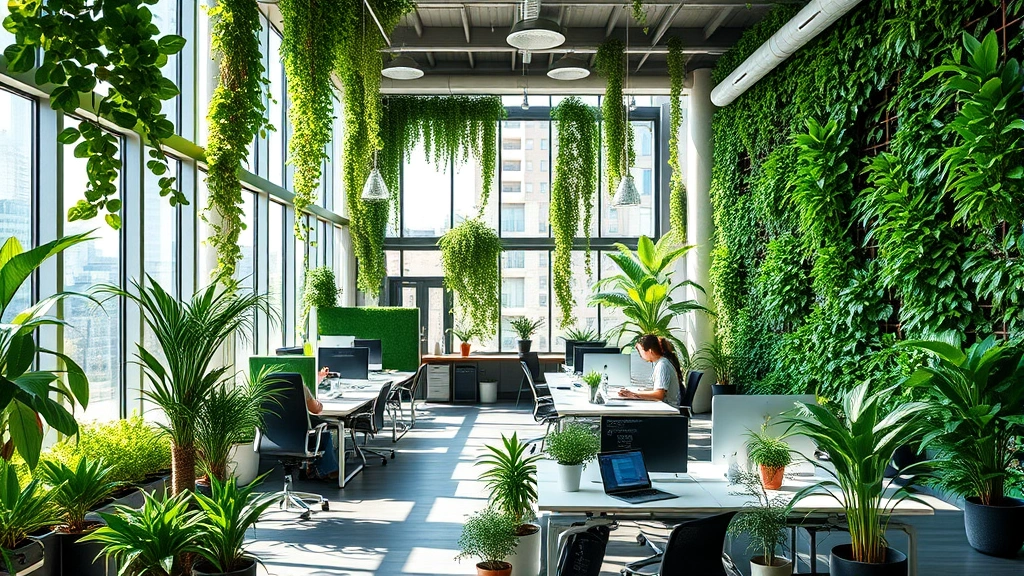
Interior environments—indoor spaces designed with ecological principles—have emerged as powerful tools for simultaneously improving human productivity and supporting economic objectives. Research demonstrates that incorporating green elements into interior spaces generates measurable improvements in worker performance, health outcomes, and organizational efficiency. This discovery has profound implications for how we design offices, schools, hospitals, and residential buildings.
Green interior environments reduce stress markers, lower blood pressure, and improve cognitive function. Studies show that employees working in spaces with natural light and vegetation exhibit 15% higher productivity rates and 25% fewer sick days compared to those in conventional office environments. These health improvements translate directly into economic benefits through reduced healthcare costs and increased output. A single employee’s improved productivity in a green-designed office can generate $5,000 to $15,000 in additional annual value.
The biophilic design movement—integrating natural elements into interior spaces—represents a convergence of ecological science and economic optimization. Companies investing in green interior environments report improved employee retention, enhanced brand reputation, and stronger customer loyalty. These benefits extend beyond individual organizations; cities that prioritize green interior spaces and environmental sustainability initiatives experience increased property values, attract higher-quality talent, and develop more resilient economies. Interior environments thus function as microcosms of the broader economic-ecological relationship: when we design spaces that respect human biological needs for nature, economic performance improves.
The Productivity-Green Space Connection
The empirical relationship between green spaces and productivity has been extensively documented across multiple research domains. Neuroscientific studies reveal that exposure to natural elements activates parasympathetic nervous system responses, reducing cortisol and other stress hormones while enhancing cognitive function. This physiological mechanism explains why workers in green interior environments demonstrate superior performance on complex tasks requiring sustained attention and creative problem-solving.
Economic research quantifies these productivity gains with precision. The European Centre for Environment and Human Health reports that employees with views of natural landscapes show 6-8% higher productivity levels, while those with access to green spaces during breaks demonstrate 15% improvement in attention restoration tasks. These findings have prompted major corporations—from Google to Microsoft to IKEA—to invest substantially in green interior design, recognizing that the return on investment far exceeds the implementation costs.
The productivity benefits extend to educational and healthcare settings. Students in classrooms with natural lighting and views of vegetation achieve 7-18% higher test scores, while hospital patients in rooms with natural elements require fewer pain medications and recover faster than those in conventional rooms. These outcomes translate into measurable economic value: improved educational outcomes correlate with higher lifetime earnings, while faster hospital recovery reduces healthcare expenditures. The economic case for green interior environments becomes undeniable when we account for these downstream benefits.
Understanding how environmental degradation affects economic systems requires recognizing that health and productivity losses from poor environmental design represent hidden economic drains. When we fail to incorporate ecological principles into interior design, we externalize costs through reduced productivity, increased healthcare expenditures, and elevated absenteeism. Conversely, green interior environments internalize benefits, creating positive feedback loops where ecological design directly enhances economic performance.
Building the Financial Case for Green Investment
The financial case for ecosystem-based economic models rests on rigorous cost-benefit analysis. Research from the World Bank demonstrates that every dollar invested in ecosystem restoration generates $7 to $30 in economic returns, depending on the ecosystem type and regional context. These returns materialize through multiple pathways: direct resource provision, ecosystem service maintenance, health improvements, and economic resilience building.
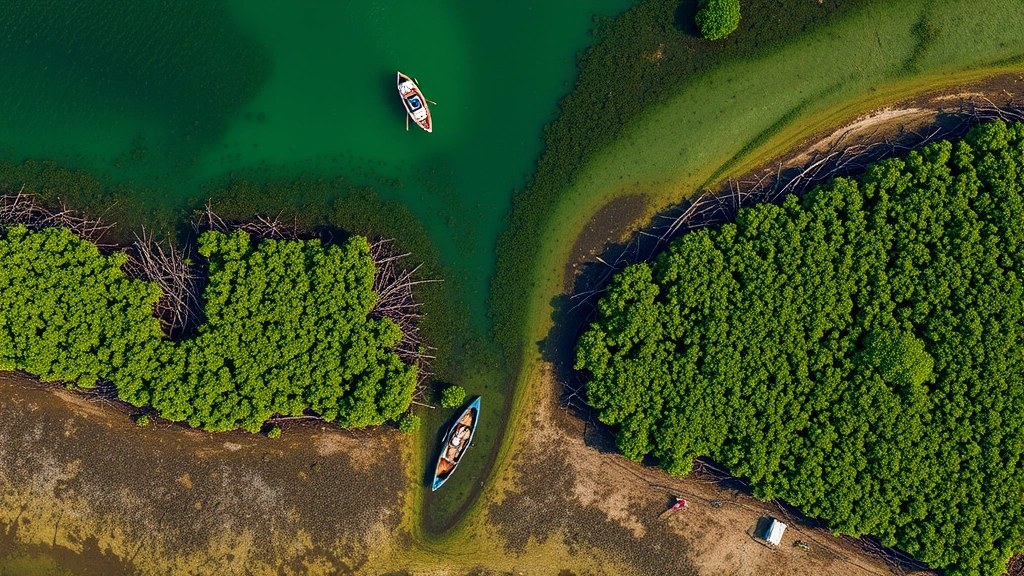
Nature-based solutions for climate adaptation provide particularly compelling financial returns. Mangrove restoration in coastal regions, for example, costs approximately $1,000 per hectare but provides flood protection, fishery support, and carbon sequestration services valued at $37,000 per hectare over a 25-year period. Similarly, reforestation initiatives generate carbon credits, improved watershed function, and biodiversity benefits while creating employment opportunities in rural communities. These multifunctional benefits demonstrate that green investment addresses multiple economic challenges simultaneously.
Corporate financial analysis increasingly incorporates ecosystem value into decision-making frameworks. Companies recognizing that environmental ethics intersect with long-term profitability are restructuring supply chains, investing in renewable energy, and supporting ecosystem restoration. These investments often yield superior financial returns compared to conventional investments while simultaneously reducing operational risks associated with resource scarcity and environmental degradation.
Insurance and investment industries now explicitly recognize that ecosystem degradation represents a financial risk. Climate-related natural disasters already cost the global economy over $280 billion annually, a figure that will escalate dramatically without ecosystem-based adaptation measures. Institutional investors managing over $130 trillion in assets increasingly demand that portfolio companies demonstrate environmental sustainability, recognizing that ecological collapse poses systemic financial risks.
Global Case Studies in Green Economics
Costa Rica provides a compelling example of green economic success. The nation has committed 25% of its territory to protected areas while simultaneously achieving one of the highest standards of living in Latin America. Through payments for ecosystem services programs, Costa Rica has reversed deforestation trends while generating economic value from conservation. The nation’s ecotourism industry generates over $4 billion annually, demonstrating that ecosystem preservation can drive economic growth.
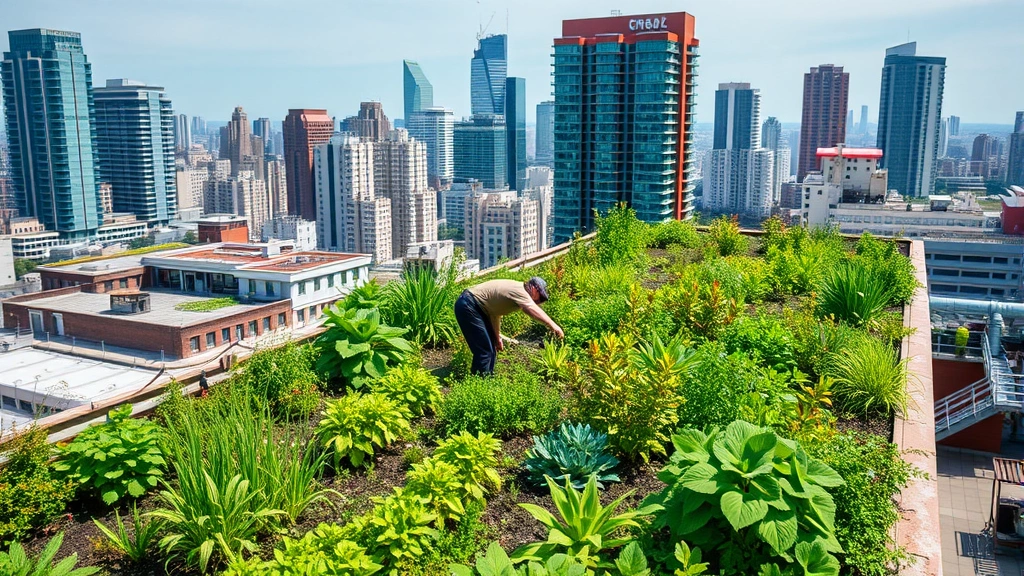
Singapore’s transformation into a “garden city” illustrates how interior and exterior green environments enhance urban economic performance. The city-state has integrated vegetation throughout its urban landscape, from vertical gardens on buildings to green roofs and restored wetlands. This green infrastructure investment has reduced urban heat island effects, improved water management, attracted international talent and investment, and enhanced quality of life metrics. Singapore’s green initiatives have become central to its economic competitiveness strategy, recognizing that environmental quality drives investment decisions and talent attraction.
Rwanda’s post-conflict recovery demonstrates how ecosystem restoration supports economic development. The nation has invested heavily in reforestation, establishing the “green economy” as a central development strategy. These initiatives have improved watershed function, supported agricultural productivity, created employment, and attracted conservation-focused investment. Rwanda’s approach shows that developing nations need not choose between poverty reduction and environmental protection; properly designed green economies achieve both simultaneously.
The European Union’s Natura 2000 network—protecting 18% of EU land—has generated substantial economic value while conserving biodiversity. Research demonstrates that protected areas within the network provide ecosystem services worth €200-300 billion annually, while supporting rural economies through sustainable tourism and recreation. This case study refutes the false dichotomy between conservation and economic development, demonstrating that large-scale ecosystem protection can coexist with prosperous economies.
Implementation Challenges and Solutions
Despite compelling evidence, translating green economic principles into policy and practice faces substantial obstacles. Short-term financial pressures often conflict with long-term ecosystem investments, particularly in developing nations where immediate poverty reduction needs dominate policy agendas. Additionally, ecosystem services provide diffuse benefits distributed across populations and time periods, while costs concentrate on specific actors, creating political resistance to conservation investments.
Addressing these challenges requires innovative financing mechanisms and policy instruments. Payment for ecosystem services programs, green bonds, and biodiversity credits create financial flows that compensate ecosystem stewardship. UNEP and development banks increasingly structure financing to align conservation with poverty reduction, recognizing that ecosystem-dependent communities often derive substantial income from ecosystem services. Carbon markets and nature-based solutions financing create additional revenue streams supporting ecosystem investment.
Corporate engagement proves essential for scaling green economic models. When companies recognize that supply chain resilience depends on ecosystem health, they invest in ecosystem restoration within their supply regions. Recognizing the importance of carbon footprint reduction strategies has prompted major corporations to support reforestation, wetland restoration, and sustainable agriculture. These corporate investments, when aligned with community interests and indigenous rights, create powerful economic incentives for ecosystem stewardship.
Policy instruments such as environmental tax reform, subsidy restructuring, and natural capital accounting enhance economic incentives for green practices. When governments remove subsidies supporting ecosystem degradation and instead tax resource extraction and pollution, market signals shift toward sustainable practices. Progressive nations implementing these reforms demonstrate that economic growth can accelerate while environmental indicators improve simultaneously.
The Future of Green Economic Models
Emerging research suggests that green economic models will become increasingly dominant as climate change impacts and resource scarcity intensify. The transition from extractive linear economies to circular green economies represents the defining economic transformation of the 21st century. This transition aligns with sustainable business practices across industries, from fashion to energy sectors.
Technological innovation accelerates this transition. Advances in renewable energy, sustainable agriculture, and circular manufacturing reduce the cost differential between green and conventional practices. As green technologies achieve cost parity and cost advantage, market forces increasingly drive environmental performance improvements. Simultaneously, artificial intelligence and data analytics enhance ecosystem monitoring and management, enabling more sophisticated ecosystem-based economic planning.
Natural capital accounting frameworks continue evolving, with increasing numbers of nations and corporations adopting comprehensive environmental accounting systems. These frameworks reveal that conventional GDP measures systematically undervalue green economies while overvaluing resource extraction. As decision-makers base choices on more accurate economic data, investment flows increasingly direct toward ecosystem-positive activities.
The integration of interior environmental design with broader ecosystem management creates synergistic benefits. As buildings become increasingly designed to support biodiversity and human wellbeing simultaneously, urban areas function as habitat networks supporting both economic activity and ecological function. This convergence of urban ecology and economic design represents a fundamental reimagining of how humans organize economic activity.
Institutional frameworks are evolving to support green economic transitions. International agreements increasingly incorporate biodiversity protection and ecosystem restoration into development frameworks. The recognition that renewable energy and ecological restoration represent fundamental economic infrastructure is reshaping investment priorities at all scales.
FAQ
How do green interior environments specifically improve economic performance?
Green interior environments enhance cognitive function, reduce stress, and improve health outcomes, directly increasing worker productivity by 15-25%. Reduced absenteeism, improved employee retention, and enhanced creative problem-solving generate measurable economic value exceeding the implementation costs of green design. Additionally, organizations with superior interior environmental design attract higher-quality talent and build stronger brand reputation, creating competitive advantages in talent markets.
What is the actual return on investment for ecosystem restoration?
Research demonstrates that ecosystem restoration generates $7-30 in economic returns for every dollar invested, depending on ecosystem type and context. These returns materialize through ecosystem service provision, resource production, health improvements, and economic resilience building. Nature-based solutions for climate adaptation, for example, often provide superior cost-effectiveness compared to conventional infrastructure while generating multiple co-benefits.
Can developing nations afford to prioritize ecosystem protection?
Developing nations cannot afford not to prioritize ecosystem protection. Ecosystem-dependent communities in developing regions often derive 30-50% of income from ecosystem services. Additionally, ecosystem degradation accelerates poverty through resource depletion and increased disaster vulnerability. Green economy approaches that align conservation with community income generation offer superior development pathways compared to extractive models.
How does ecosystem health relate to economic resilience?
Healthy ecosystems buffer economic systems against climate variability, resource price volatility, and supply chain disruptions. Ecosystem degradation increases economic vulnerability through reduced pollination, water scarcity, disease emergence, and natural disaster frequency. Economies with strong ecosystem foundations demonstrate greater stability and adaptive capacity when facing economic shocks and environmental challenges.
What role do interior environments play in broader green economic transitions?
Interior environments function as microcosms of green economic principles, demonstrating how ecological design simultaneously improves human wellbeing and economic performance. As buildings increasingly incorporate natural elements and support biodiversity, urban environments transition from economic-ecological conflicts to synergistic systems. This transformation at building scale aggregates to reshape entire urban economies and supply systems.


