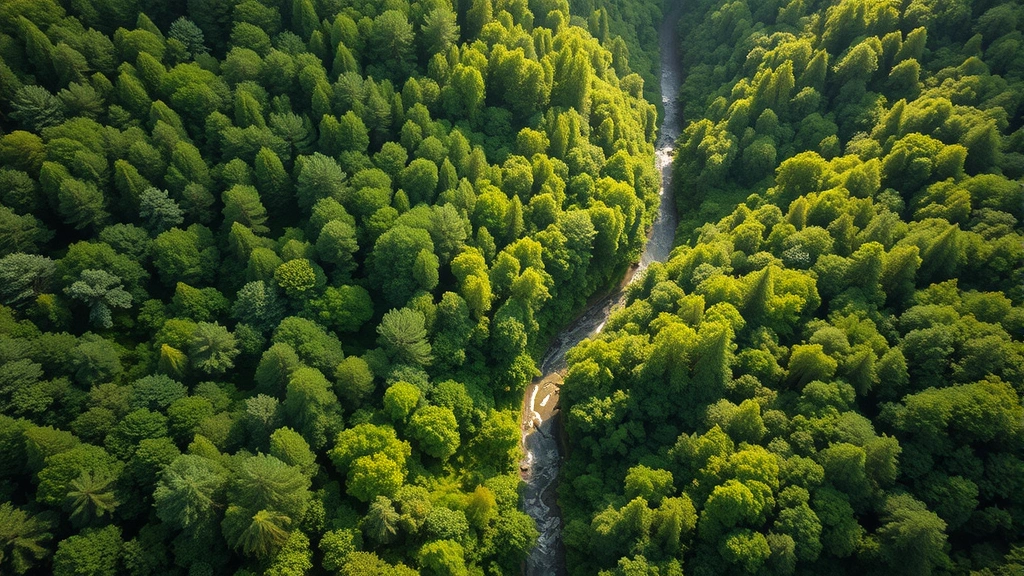
Balancing Economy & Ecosystem: Key Insights on Health, Safety & Environment
The intersection of economic development and environmental preservation represents one of the most pressing challenges of our era. For decades, policymakers operated under the assumption that economic growth and ecological health were mutually exclusive—that prosperity required environmental compromise. Today, mounting evidence from ecological economics and environmental science demonstrates that this dichotomy is fundamentally flawed. Sustainable economic systems that prioritize health, safety, and environmental integrity not only protect natural capital but generate long-term financial returns that far exceed short-term extraction gains.
The global economy depends entirely on ecosystem services worth an estimated $125 trillion annually, yet conventional accounting systems assign these services zero value. When we fail to incorporate environmental costs into economic calculations, we create perverse incentives that accelerate ecological degradation while simultaneously undermining public health and safety. Understanding this relationship—and implementing policies that reflect true environmental costs—is essential for creating resilient, equitable economies that can sustain human wellbeing across generations.
The True Cost of Economic Growth Without Environmental Limits
Conventional economic models have historically treated the environment as an infinite source of resources and an infinite sink for waste. This assumption has driven three centuries of industrial expansion, generating unprecedented material wealth for some populations while simultaneously depleting finite resources and destabilizing planetary systems. The consequences are now impossible to ignore: climate disruption, biodiversity collapse, ocean acidification, and widespread pollution threaten the foundational systems upon which all economic activity depends.
The concept of ecological overshoot illustrates this imbalance starkly. Humanity currently consumes approximately 1.75 Earths’ worth of biological resources annually, meaning we are depleting renewable resources faster than they regenerate and accumulating waste beyond natural absorption capacity. This overshoot is not distributed equally—high-income nations consume resources at rates 5-10 times higher than low-income countries, while bearing disproportionately less responsibility for addressing the consequences.
Economic growth measured by GDP captures only market transactions, ignoring environmental degradation costs. A nation could clearcut its forests, deplete aquifers, and pollute waterways while simultaneously recording GDP growth. This accounting failure creates systematic incentives for environmental destruction. When a $10 million fishery is destroyed by coastal pollution, GDP counts only the cleanup costs, not the lost productive capacity. When soil degradation reduces agricultural yields, economists record only the reduced output, not the permanent loss of natural capital.
Research from the World Bank‘s environmental economics division demonstrates that countries ignoring environmental costs experience apparent growth followed by sudden economic collapse. The resource curse—where countries with abundant natural resources experience slower long-term growth than resource-poor nations—reflects this pattern. Nations that treat ecosystems as disposable infrastructure inevitably face resource scarcity, price volatility, and economic instability.
Understanding hazards in the environment requires recognizing that environmental destruction and economic loss are identical phenomena, merely measured in different currencies. A polluted aquifer represents both ecological damage and economic loss; a collapsed fishery represents both species extinction and livelihood destruction.
Health and Safety Impacts of Environmental Degradation
The relationship between environmental quality and human health is direct, measurable, and devastating. Approximately 8.9 million premature deaths annually—roughly 16% of global mortality—are attributable to environmental factors, according to recent epidemiological analyses. These deaths predominantly affect the world’s poorest populations, creating a cruel paradox where those who contributed least to environmental degradation suffer greatest consequences.
Air pollution alone causes 7 million premature deaths yearly, primarily through cardiovascular and respiratory diseases. Fine particulate matter (PM2.5) penetrates deep into lung tissue and crosses into the bloodstream, triggering systemic inflammation and oxidative stress. Children exposed to high pollution levels experience reduced lung development, with lifelong respiratory capacity diminished by 5-15%. These health impacts generate enormous economic costs: lost productivity, medical expenses, and reduced human capital accumulation.
Water contamination creates cascading health crises. Approximately 2 billion people rely on contaminated water sources, exposing them to pathogens, industrial pollutants, and agricultural chemicals. Arsenic contamination in South Asian groundwater has poisoned an estimated 100 million people, causing skin lesions, cancers, and organ damage that will manifest across decades. These health burdens disproportionately affect agricultural communities with limited economic alternatives, perpetuating cycles of poverty and disease.
Chemical exposure presents particularly insidious health risks. Persistent organic pollutants (POPs)—including DDT, PCBs, and dioxins—accumulate in fatty tissues and bioaccumulate through food chains, reaching concentrations in apex predators and human consumers millions of times higher than environmental levels. These substances disrupt endocrine systems at extraordinarily low doses, affecting sexual development, reproductive capacity, and neurological function across generations.
The intersection of environmental hazards and occupational safety creates compounded risks for vulnerable workers. Agricultural laborers exposed to pesticides face acute poisoning and chronic neurological damage; industrial workers in developing nations often operate without safety equipment in highly contaminated environments; waste workers in informal sectors handle hazardous materials with bare hands. Understanding ethics of the environment demands recognizing that environmental protection and occupational safety are inseparable imperatives.
Mental health impacts of environmental degradation are increasingly documented. Solastalgia—the distress caused by environmental change in one’s home environment—affects communities facing desertification, coastal erosion, and ecosystem collapse. Indigenous populations losing traditional territories and resource bases experience profound psychological trauma alongside physical displacement.
Natural Capital Accounting and Economic Valuation
Ecosystem services—the benefits humans derive from natural systems—include provisioning services (food, water, materials), regulating services (climate stability, flood control, pollination), supporting services (nutrient cycling, soil formation), and cultural services (recreation, spiritual value, aesthetic appreciation). These services generate economic value that dwarfs the global GDP, yet conventional accounting assigns them zero value until they are destroyed.
Natural capital accounting attempts to remedy this failure by assigning monetary values to ecosystem services and natural resources, then incorporating these values into national accounts alongside human-made capital. A forest’s value includes not merely the timber it yields but also carbon sequestration, water filtration, flood prevention, biodiversity habitat, and recreational opportunities. Wetlands provide water purification worth thousands of dollars per acre annually—a service that would cost orders of magnitude more to replicate technologically.
The challenge of valuation—determining appropriate monetary values for non-market services—has generated significant methodological debate. Economists employ various approaches: replacement cost (cost of technological alternatives), hedonic pricing (inferring value from market prices of related goods), contingent valuation (surveying willingness to pay), and benefit transfer (applying valuations from similar ecosystems). Each approach has strengths and limitations; the most robust analyses employ multiple methodologies to establish value ranges.
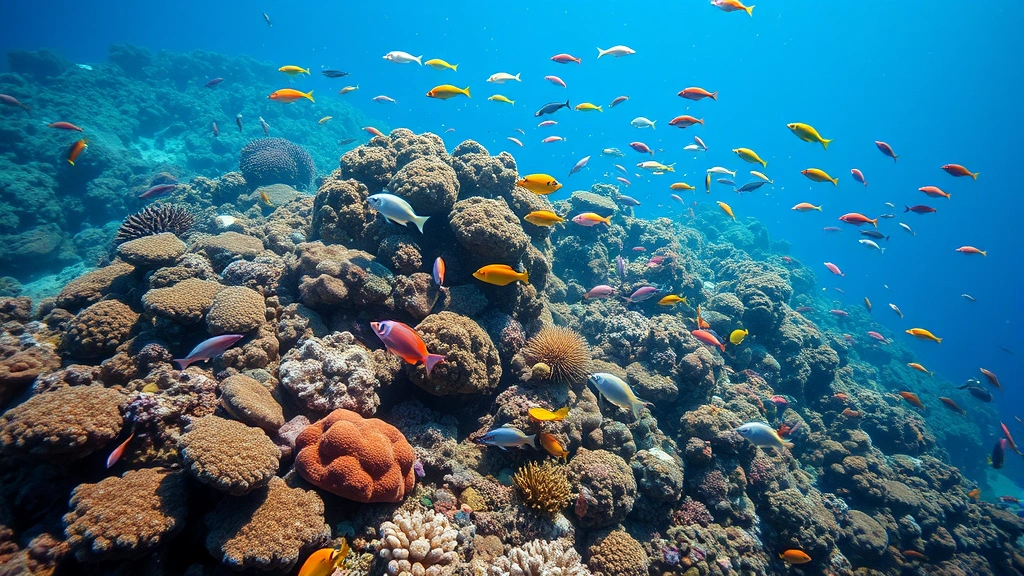
The Millennium Ecosystem Assessment (2005) estimated that 60% of global ecosystem services were being degraded or used unsustainably. Subsequent analyses have quantified specific losses: deforestation costs $2-5 trillion annually in lost ecosystem services; wetland destruction eliminates $15,000+ per hectare in water purification and flood control services; coral reef degradation eliminates $375 billion in fisheries and tourism value. These costs are real economic losses, transferred from future generations and vulnerable populations to present beneficiaries.
Natural capital accounting has been adopted by several nations and the United Nations Environment Programme as a framework for sustainable economic planning. Costa Rica’s payment for ecosystem services program has generated $1 billion in conservation investment while improving forest cover from 24% to 52% over three decades—demonstrating that economic incentives, properly structured, can align profit motive with conservation objectives.
Implementing natural capital accounting requires distinguishing between renewable and non-renewable natural capital. Renewable resources (forests, fisheries, agricultural land) can sustain indefinite use if harvested below regeneration rates; non-renewable resources (minerals, fossil fuels) are depleted by any extraction. Sound economic policy maintains renewable capital stocks and invests depletion revenues from non-renewable resources into alternative productive capacity—ensuring that resource wealth benefits future generations rather than merely funding current consumption.
Policy Frameworks for Sustainable Economic Integration
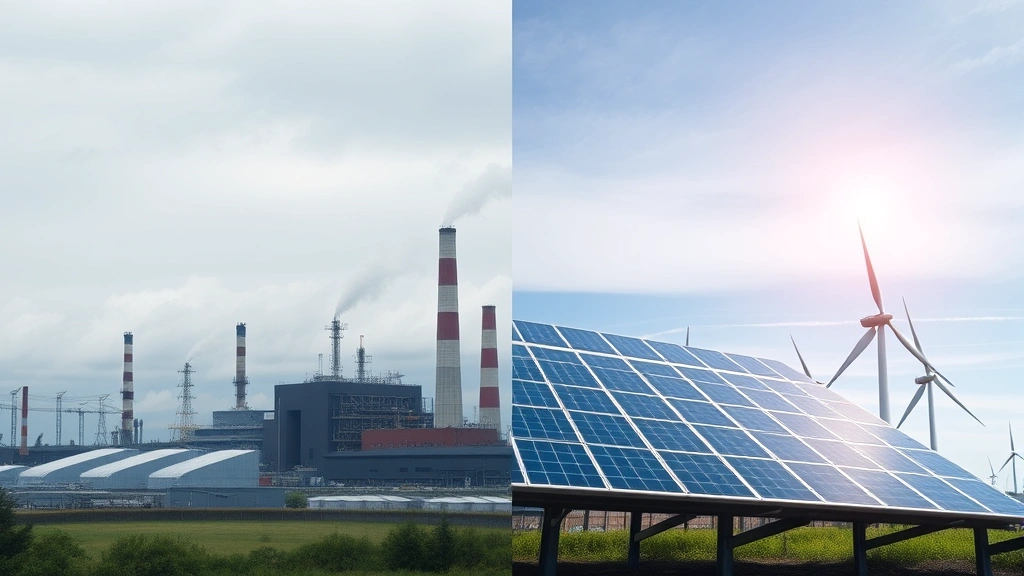
Transforming economic systems to reflect environmental realities requires policy innovation across multiple domains. Carbon pricing—whether through taxes or cap-and-trade mechanisms—internalizes climate costs into market prices, creating incentives for emissions reduction. The European Union’s Emissions Trading System, despite implementation challenges, has reduced covered sectors’ emissions by 35% since 2005 while maintaining economic growth, demonstrating that climate policy and economic prosperity are compatible.
Subsidy reform represents a critical but politically contentious policy lever. Global subsidies for fossil fuels, industrial agriculture, and resource extraction total approximately $7 trillion annually when environmental costs are included. These subsidies systematically distort markets, making destructive practices artificially profitable while penalizing sustainable alternatives. Redirecting even a fraction of these resources toward renewable energy, regenerative agriculture, and ecosystem restoration would accelerate the transition toward sustainable economies.
Regulations establishing environmental standards—pollution limits, habitat protections, chemical bans—function as mandatory floors below which economic activity cannot proceed. While regulations impose costs on individual firms, they prevent the tragedy of the commons where individual profit-maximization leads to collective impoverishment. The Clean Air Act, despite industry opposition, has generated estimated benefits of $30-40 for every dollar of compliance costs through prevented health impacts and productivity gains.
Extended producer responsibility (EPR) policies assign end-of-life management costs to product manufacturers, creating incentives for designing less wasteful products and circular production systems. Successful EPR programs in electronics, packaging, and batteries have reduced waste streams while spurring innovation in material efficiency and recyclability.
Strategies for how to reduce carbon footprint extend beyond individual consumer choices to systemic transformation. Renewable energy deployment, building efficiency improvements, agricultural system transformation, and industrial process redesign are capital-intensive changes requiring policy support through investment incentives, research funding, and regulatory mandates. The International Energy Agency projects that achieving climate goals requires $4 trillion annual clean energy investment—a substantial commitment, but modest relative to annual global GDP ($100+ trillion) and far less costly than climate damages.
Circular economy frameworks reimagine production and consumption to eliminate waste and maintain material values. Rather than linear take-make-dispose systems, circular approaches design products for durability, repairability, and material recovery. Industrial symbiosis—where one industry’s waste becomes another’s feedstock—creates resource efficiency while reducing environmental burden. Denmark’s industrial symbiosis network has reduced waste by 2.5 million tons annually while generating economic value.
Business Innovation and Green Economy Opportunities
The transition toward sustainable economies creates substantial business opportunities for enterprises that innovate ahead of regulatory and market shifts. Renewable energy, energy efficiency, sustainable transportation, regenerative agriculture, and circular material systems represent the fastest-growing economic sectors, with investment exceeding $500 billion annually and employment surpassing fossil fuel industries in most developed economies.
First-mover advantages accrue to companies that develop technologies and business models adapted to resource-constrained, low-carbon futures. Tesla’s transformation of automotive manufacturing, Ørsted’s transition from coal to renewable energy, and Patagonia’s sustainable supply chain demonstrate that environmental commitment and financial performance are mutually reinforcing. Companies integrating environmental considerations into strategy, operations, and supply chains consistently outperform peers on financial metrics alongside environmental impact.
Sustainable fashion brands represent a growing segment recognizing that resource scarcity, water stress, and chemical pollution create both environmental imperatives and business opportunities. Explore sustainable fashion brands: a comprehensive guide for insights into how companies are redesigning supply chains, materials, and business models to reduce environmental footprints while improving working conditions and community impacts.
Renewable energy deployment illustrates the economic transformation potential. Solar and wind costs have declined 90% and 70% respectively over the past decade, making renewables cheaper than fossil fuels in most markets without subsidies. This cost trajectory reflects learning curves where each doubling of cumulative deployment reduces costs by 15-20%—a pattern that will continue as deployment scales. Renewable energy employment already exceeds fossil fuel employment globally, with projections suggesting 40 million clean energy jobs by 2050 compared to 10 million fossil fuel positions.
Nature-based solutions—ecosystem restoration, regenerative agriculture, blue carbon projects—generate economic returns while restoring natural capital. Mangrove restoration costs $1,000-10,000 per hectare but provides $15,000+ annually in fisheries support, coastal protection, and carbon sequestration. Regenerative agriculture practices rebuild soil carbon while improving yields and farm resilience, demonstrating that agricultural productivity and environmental health are aligned objectives.
Renewable energy for homes: a complete guide details how distributed energy systems enable household and community energy independence while reducing grid infrastructure costs and improving resilience. Distributed renewable systems, battery storage, and smart grid technologies are creating fundamentally different energy economics compared to centralized fossil fuel infrastructure.
Measuring Progress: Indicators Beyond GDP
GDP’s inadequacy as a welfare measure has prompted development of alternative metrics capturing environmental and social dimensions of wellbeing. The Genuine Progress Indicator (GPI) adjusts GDP for environmental depreciation, resource depletion, inequality, and non-market services; countries adopting GPI accounting often show stagnant or declining wellbeing despite rising GDP, revealing growth’s limitations.
Bhutan’s Gross National Happiness framework prioritizes environmental conservation, cultural preservation, and equitable development alongside economic growth, demonstrating that alternative development paradigms are operationally feasible. Bhutan maintains 60% forest cover (constitutional requirement), protects 51% of land as national parks and protected areas, and achieves carbon negativity—all while achieving steady improvement in health, education, and income metrics.
The Sustainable Development Goals (SDGs) provide a comprehensive framework integrating economic development, environmental protection, and social equity. These 17 goals and 169 targets recognize the interconnectedness of challenges: poverty reduction requires environmental sustainability; health improvements depend on clean water and air; gender equality involves equitable resource access; climate action necessitates energy system transformation.
Ecological footprint analysis quantifies resource consumption in standardized units (global hectares), enabling comparison across populations and time. High-income nations average 5-10 global hectares per capita consumption; sustainable levels are estimated at 1.7 hectares per capita. This disparity reveals the fundamental equity challenge: achieving planetary sustainability requires wealthy nations to reduce consumption while enabling developing nations to improve living standards—a transition requiring dramatic efficiency improvements and lifestyle transformation in high-consumption societies.
Biodiversity metrics—species abundance indices, ecosystem integrity measures, genetic diversity assessments—track the living systems upon which economic activity depends. The Living Planet Index shows 68% decline in vertebrate populations since 1970, indicating ecosystem degradation proceeding faster than conventional economic indicators suggest. These biological metrics provide early warning signals of system dysfunction that financial indicators may miss until collapse becomes imminent.
FAQ
How can developing nations balance economic growth with environmental protection?
Developing nations have opportunities to leapfrog outdated industrial paradigms, adopting renewable energy, circular production, and regenerative agriculture from inception rather than retrofitting existing infrastructure. International finance mechanisms, technology transfer agreements, and debt-for-nature swaps can support this transition. Critically, developed nations must reduce consumption and transfer resources proportional to historical emissions responsibility—recognizing that climate and environmental justice requires wealthy nations to enable developing nation development pathways that don’t replicate destructive industrial models.
What is the economic cost of inaction on environmental degradation?
Climate damages alone are projected at 5-20% of global GDP by 2100 under high-warming scenarios, with greatest impacts on agriculture-dependent, low-income nations. Biodiversity loss reduces agricultural productivity, increases disease transmission, and destabilizes supply chains. Air and water pollution costs 4-6% of GDP in high-pollution regions. Transition costs to sustainable economies are estimated at $1-3 trillion annually—substantial but manageable relative to global GDP and far less than climate damage costs.
Can capitalism be reformed to align with ecological limits?
Market mechanisms—carbon pricing, natural capital accounting, subsidy reform—can align profit incentives with environmental objectives. However, capitalism’s inherent growth imperative creates tension with planetary boundaries. Some economists argue that degrowth or steady-state economics are necessary; others contend that decoupling economic activity from resource consumption through efficiency and circular systems enables indefinite growth within ecological limits. The empirical evidence suggests that while relative decoupling (growth faster than resource consumption) is achievable, absolute decoupling (declining resource consumption) remains elusive in practice.
How do environmental regulations affect competitiveness?
Stringent environmental regulations can incentivize innovation, improving long-term competitiveness. The Porter Hypothesis suggests that well-designed regulations stimulate innovation offsetting compliance costs. However, regulatory differences create opportunities for pollution havens—where dirty industries migrate to jurisdictions with weak environmental standards. International agreements establishing minimum environmental standards prevent this race to the bottom while enabling equitable competition.
What role should individuals play in environmental-economic transitions?
Individual consumption choices matter but are insufficient without systemic change. A person reducing carbon footprint by 50% still consumes far above sustainable levels; systemic transformation requires policy change, infrastructure investment, and corporate innovation. However, individual choices do matter for political signaling, market demand creation, and personal alignment with values. The most effective individual actions involve political engagement—voting, activism, advocacy—to support policies enabling systemic transformation.


