Can Renewable Energy Boost Economies? Study Insights
The intersection of renewable energy deployment and economic growth represents one of the most compelling questions in contemporary policy discussions. Recent research from leading institutions demonstrates that transitioning to renewable energy sources generates substantial economic benefits beyond environmental protection. This analysis examines empirical evidence showing how clean energy investments create jobs, reduce operational costs, and strengthen long-term economic resilience across diverse sectors and geographies.
The relationship between renewable energy adoption and economic performance has evolved significantly over the past decade. Early skeptics argued that clean energy transitions would impose costs on economies, yet emerging data contradicts this narrative. Countries implementing aggressive renewable energy programs have simultaneously achieved GDP growth, employment expansion, and improved energy security. Understanding these mechanisms requires examining multiple dimensions: job creation, investment flows, energy cost dynamics, and macroeconomic stability.
Job Creation and Employment Growth
Renewable energy sectors consistently generate more employment per unit of energy produced compared to fossil fuel industries. According to International Renewable Energy Agency data, the renewable energy sector employed approximately 12.7 million people globally in 2021, with solar and wind dominating job creation. These positions span manufacturing, installation, maintenance, engineering, and administrative roles, creating diverse employment opportunities across skill levels.
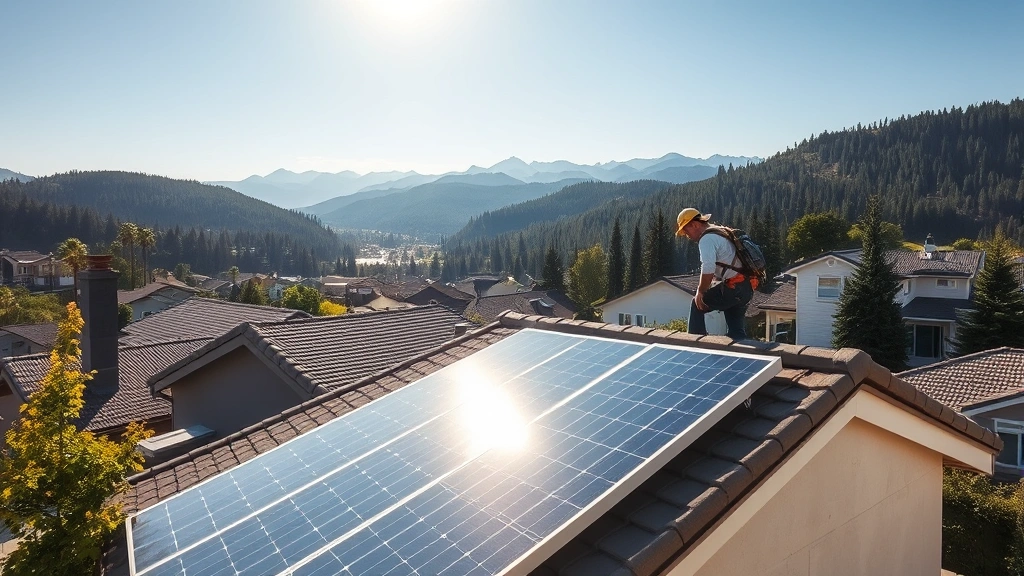
The employment multiplier effect amplifies initial job creation. When renewable energy companies hire workers, those employees spend wages locally, supporting retail, hospitality, and service sectors. A single utility-scale wind turbine requires approximately 250 workers during manufacturing and installation phases, then sustains ongoing maintenance employment. Solar installation demonstrates even higher labor intensity, with typical residential and commercial projects requiring skilled electricians, roofers, and engineers.
Regional analysis reveals concentrated economic benefits in areas transitioning to renewable manufacturing hubs. Germany’s renewable energy sector employs over 300,000 workers, while Denmark derives approximately 80% of electricity from wind power while maintaining robust industrial competitiveness. The environment and human interaction dynamics show that communities embracing renewable energy development experience lower unemployment rates and higher average wages in emerging green sectors.
Wage comparisons demonstrate that renewable energy positions offer competitive compensation. Solar installers and wind turbine technicians earn median salaries exceeding $50,000 annually in developed economies, with experienced technicians commanding significantly higher compensation. These positions typically provide benefits packages including healthcare, retirement plans, and job security, contributing to middle-class employment stability.
Investment and Economic Multipliers
Global renewable energy investment reached $303 billion in 2021, representing a significant reallocation of capital toward clean technologies. This investment trajectory accelerates as costs decline and policy frameworks strengthen. The economic multiplier effects extend beyond direct investment, influencing supply chains, technology development, and financial services sectors.
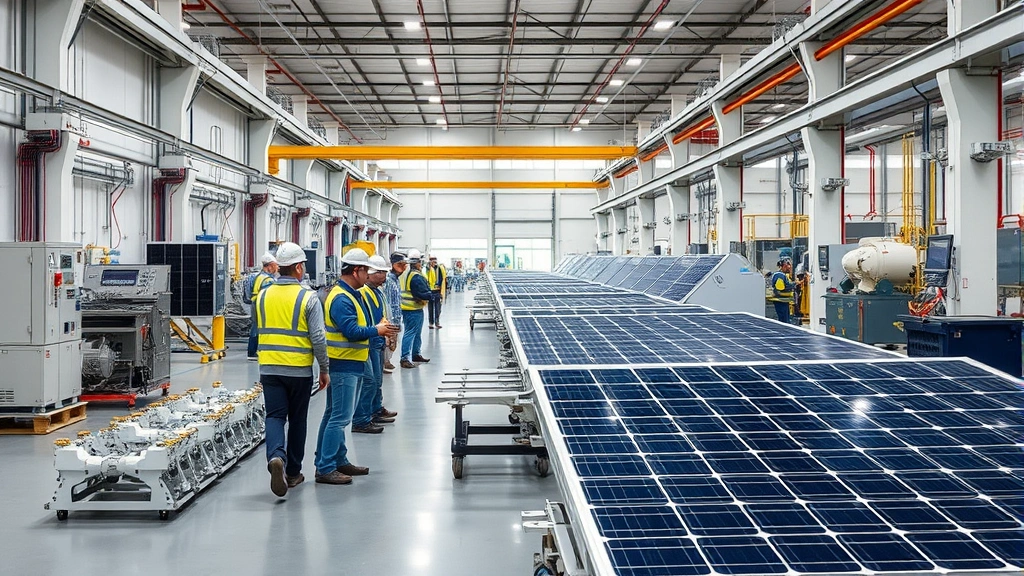
Domestic renewable energy manufacturing creates upstream employment in component production, materials processing, and logistics. A solar panel manufacturer requires inputs from glass suppliers, silicon processors, aluminum frame producers, and electronics component manufacturers. Each supply chain tier generates additional employment and economic activity. This vertical integration strengthens regional economies by retaining value within local manufacturing networks rather than importing finished energy commodities.
Capital investment patterns differ fundamentally between renewable and fossil fuel industries. Renewable energy projects require substantial upfront capital investment but minimal ongoing fuel costs, contrasting with fossil fuel operations requiring continuous resource extraction and fuel purchasing. This structure means renewable energy investment stimulates local economies immediately through construction and manufacturing, while fossil fuel spending often flows to resource-extraction regions or international suppliers.
Financial innovation accompanying renewable energy expansion creates opportunities in green banking, project finance, and investment management. Specialized venture capital firms, green bonds, and sustainable investment funds mobilize capital toward clean energy development. The World Bank and multilateral development institutions increasingly prioritize renewable energy financing, channeling resources toward emerging markets and developing economies.
Energy Cost Reduction and Consumer Benefits
Renewable energy economics have undergone dramatic transformation as technology costs declined exponentially. Solar photovoltaic module costs fell 89% between 2010 and 2020, while onshore wind costs decreased 70% over the same period. This cost trajectory fundamentally alters energy economics, making renewables the cheapest electricity source in most global markets.
Levelized cost of electricity (LCOE) comparisons demonstrate renewable energy’s economic advantage. New solar and wind installations now cost less per megawatt-hour than operating existing coal plants in many jurisdictions. This economic reality drives utility procurement decisions independent of climate considerations. Energy consumers benefit from lower electricity rates as renewable energy’s minimal marginal costs reduce wholesale power prices.
Reduced energy costs improve competitiveness for energy-intensive industries including manufacturing, data centers, and chemical production. Companies establishing operations in regions with abundant renewable energy and favorable costs gain competitive advantages. This dynamic attracts industrial investment and supports economic diversification beyond traditional energy sectors.
Household energy affordability improves through rooftop solar adoption and community renewable projects. Residential solar installations reduce electricity bills by 50-90% in favorable locations, improving household cash flow and reducing energy poverty. The living environment quality improves when families redirect energy savings toward education, healthcare, and other essential services.
Grid modernization accompanying renewable energy integration requires investment in transmission infrastructure, energy storage, and smart grid technologies. These investments create employment in construction, engineering, and technology sectors while improving overall system efficiency and resilience.
Long-Term Economic Resilience
Energy independence represents a critical economic benefit extending beyond immediate cost considerations. Countries reducing fossil fuel imports strengthen balance-of-payments positions and currency stability. Renewable energy resources distributed across national territories reduce vulnerability to energy supply disruptions and geopolitical conflicts over resource control.
Economic resilience analysis demonstrates that renewable energy systems prove more stable during volatile commodity markets. Fossil fuel price volatility creates uncertainty for businesses and consumers, whereas renewable energy’s fixed operational costs provide predictability for long-term planning. This stability particularly benefits developing economies vulnerable to international energy price shocks.
Climate risk integration into economic planning increasingly recognizes renewable energy as insurance against climate-related economic damages. Extreme weather events, droughts affecting hydroelectric systems, and heat waves increasing cooling demand impose substantial economic costs. Diversified renewable energy portfolios reduce vulnerability to climate-related energy system disruptions.
Energy security improvements enhance national economic resilience. Countries dependent on fossil fuel imports face geopolitical leverage from supplier nations, creating vulnerability to supply disruptions and price manipulation. Renewable energy development reduces this vulnerability, enabling greater policy autonomy and economic stability.
Regional Economic Development
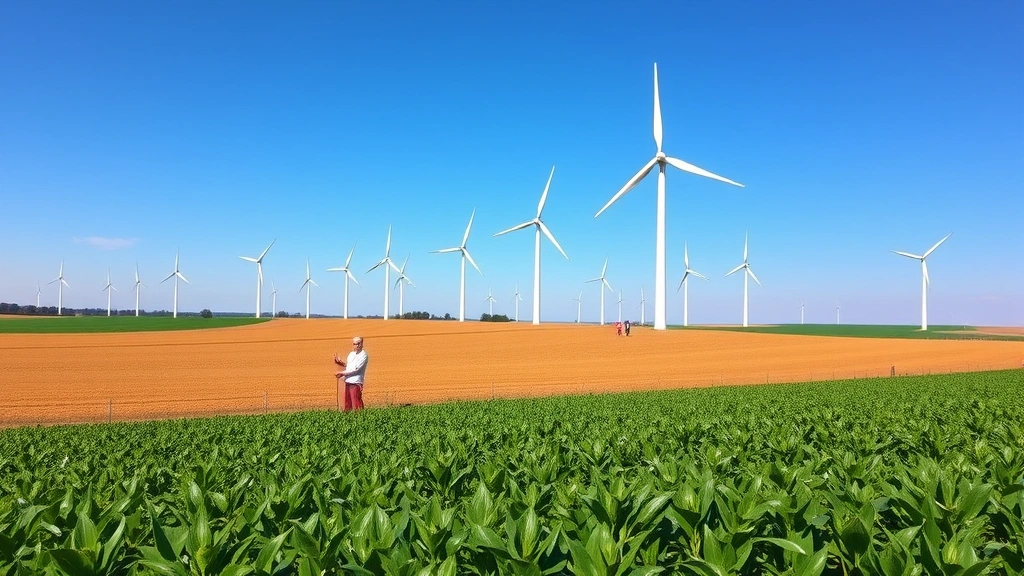
Rural and economically disadvantaged regions benefit substantially from renewable energy deployment. Wind resources concentrate in agricultural regions where turbines generate revenue for landowners while preserving agricultural production. This dual-use economics provides rural communities with new income streams, supporting population retention and reducing urban migration pressures.
Community-based renewable projects distribute economic benefits broadly across populations. Cooperative wind farms and community solar installations generate returns benefiting local residents rather than distant investors. This model strengthens community cohesion while providing economic security for participants.
The environment and natural resources trust fund renewal mechanisms increasingly channel renewable energy revenues toward community development. Royalties from wind and solar projects fund education, infrastructure, and economic diversification initiatives in host communities.
Regional supply chain development creates clustering effects where renewable energy manufacturing and service sectors concentrate geographically. Denmark’s wind industry cluster, Germany’s solar manufacturing base, and China’s renewable technology dominance demonstrate how regional specialization creates competitive advantages and sustained employment growth.
Challenges and Transition Costs
Acknowledging transition challenges provides realistic assessment of renewable energy economics. Coal-dependent regions and communities face legitimate adjustment difficulties as thermal power plants retire. These communities historically derived substantial tax revenue, employment, and cultural identity from fossil fuel industries.
Just transition policies address these challenges through worker retraining, pension protections, and economic diversification support. Successful models in Germany and Denmark demonstrate that comprehensive transition programs enable communities to embrace renewable energy while protecting workers and maintaining economic vitality. Investment in how to reduce carbon footprint initiatives simultaneously creates employment opportunities in affected regions.
Infrastructure investment requirements for grid modernization and energy storage represent substantial upfront costs. However, these investments generate employment and improve long-term system efficiency. Lifecycle cost analysis demonstrates that upfront infrastructure investment produces economic returns through operational savings and avoided climate damages.
Technology transition risks require careful management. Ensuring manufacturing capacity, supply chain resilience, and workforce development capability demands coordinated policy and investment. Critical mineral supply chains for battery production and renewable technologies require strategic planning to avoid supply bottlenecks.
Intermittency management costs, including energy storage and grid balancing, represent legitimate economic considerations. However, declining storage costs and improving forecasting technologies reduce these costs substantially. Research indicates that 80% renewable electricity systems remain economically viable with appropriate storage and demand flexibility investments.
FAQ
How much employment do renewable energy sectors generate compared to fossil fuels?
Renewable energy generates approximately 3-4 times more jobs per unit of energy produced compared to fossil fuel industries. Solar installation demonstrates the highest labor intensity, while wind power creates substantial manufacturing and maintenance employment. The International Renewable Energy Agency projects renewable energy employment exceeding 30 million positions by 2030.
What economic benefits do communities experience from renewable energy projects?
Communities hosting renewable energy projects benefit from property tax revenue, landowner royalties, local employment opportunities, and supply chain development. Rural communities particularly benefit from wind farms generating ongoing revenue while preserving agricultural land use. Community-based projects distribute benefits broadly across populations rather than concentrating wealth.
Do renewable energy systems reduce overall energy costs?
Yes, renewable energy’s declining costs have made solar and wind the cheapest electricity sources in most markets. Consumer electricity costs decrease as renewable penetration increases, provided grid modernization and storage investments receive adequate funding. Household solar adoption reduces electricity bills by 50-90% in favorable locations.
How does renewable energy improve economic resilience?
Renewable energy reduces vulnerability to fossil fuel price volatility, supply disruptions, and geopolitical conflicts over energy resources. Diversified renewable portfolios provide stable, predictable energy costs supporting long-term business planning. Energy independence strengthens national economies and reduces balance-of-payments pressures.
What challenges accompany renewable energy transitions?
Fossil fuel-dependent communities face legitimate adjustment difficulties requiring comprehensive transition support. Infrastructure investment, grid modernization, and energy storage deployment require substantial capital. Critical mineral supply chains need strategic development. However, well-designed transition policies and investments generate economic opportunities offsetting adjustment costs.
How do renewable energy investments compare to fossil fuel investments?
Renewable energy investments concentrate capital in manufacturing, installation, and construction sectors with immediate local benefits. Fossil fuel investments often flow to resource-extraction regions or international suppliers. Renewable energy’s fixed operational costs provide economic stability compared to fossil fuel price volatility. Global renewable energy investment reached $303 billion in 2021 and continues accelerating.


