
Electric Cars’ Eco Impact: Surprising Facts Unveiled
The narrative surrounding electric vehicles has become increasingly polarized in recent years. While mainstream media often portrays EVs as an unambiguous environmental solution, emerging research reveals a far more nuanced reality. Understanding the complete lifecycle environmental impact of electric cars requires examining manufacturing processes, energy grid composition, mining practices, and end-of-life considerations that many advocates overlook. This analysis challenges the simplistic “zero-emission” framing and explores legitimate environmental concerns that demand serious consideration from policymakers and consumers alike.
The transition to electric transportation represents one of the most significant economic and environmental shifts of our era. However, the ecological economics perspective demands we examine not just tailpipe emissions, but the entire production and consumption system. When we apply rigorous lifecycle assessment methodologies and consider grid decarbonization rates, material extraction impacts, and infrastructure requirements, the environmental case for universal EV adoption becomes considerably more complicated than promotional materials suggest.
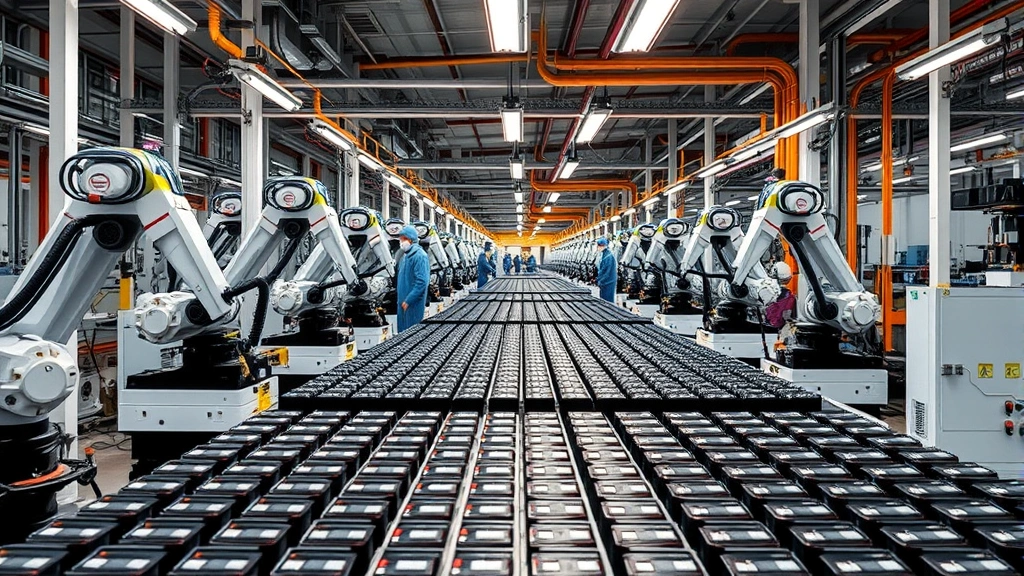
Battery Manufacturing and Material Extraction
The foundation of every electric vehicle rests upon battery technology, specifically lithium-ion cells that demand intensive resource extraction. A single EV battery pack containing 60-100 kilowatt-hours requires approximately 8-10 kilograms of lithium, 35-40 kilograms of cobalt, and 50-65 kilograms of nickel. This concentration of critical minerals extracted from finite geological reserves creates substantial environmental burdens before the vehicle ever reaches a charging station.
Battery production itself is energy-intensive, typically consuming 50-64 megajoules per kilowatt-hour of capacity. In regions where electricity generation relies heavily on fossil fuels, manufacturing a single battery pack generates 61-106 kilograms of carbon dioxide equivalent emissions. This manufacturing carbon debt represents a significant environmental liability that must be offset through years of emission-free driving—a payback period that varies dramatically depending on electricity grid composition and vehicle utilization patterns.
The chemical processes involved in battery cell production require high-temperature processing, electrolyte synthesis involving toxic organic solvents, and separation techniques that demand substantial energy inputs. Many battery manufacturers currently operate in jurisdictions with carbon-intensive electricity grids, meaning the production of vehicles marketed as environmentally friendly actually generates considerable emissions during their creation.
Grid Decarbonization Reality Check
A critical assumption underlying EV environmental claims is that electricity grids are becoming progressively cleaner. While renewable energy capacity has expanded globally, actual grid decarbonization rates remain disappointingly slow in many regions. According to International Energy Agency analysis, global electricity sector emissions have barely declined despite massive renewable investments, because energy demand continues growing faster than clean capacity additions.
In regions where coal and natural gas still dominate electricity generation, EVs often produce more lifecycle emissions than efficient internal combustion vehicles. An EV charged primarily from coal-generated electricity may reduce emissions by only 20-30% compared to conventional vehicles, substantially undermining environmental justifications for the technology transition. This geographic disparity means EV environmental benefits are highly location-dependent, yet marketing rarely acknowledges this critical variability.
The grid decarbonization timeline presents another complication. Many analyses projecting EV environmental benefits assume electricity grids will reach 80-90% renewable composition within 15-20 years. However, actual decarbonization trajectories across most developed nations suggest this timeline is optimistic. Without parallel grid transformation, mass EV adoption primarily shifts emission sources from tailpipes to power plants rather than achieving genuine reductions.
Additionally, the load-shifting problem deserves attention. If millions of EV owners charge vehicles during evening peak demand periods, utilities must increase generation capacity or implement sophisticated demand management systems. The infrastructure investment required to support this transition carries its own environmental costs, including construction impacts on ecosystems and embodied carbon in transmission infrastructure.
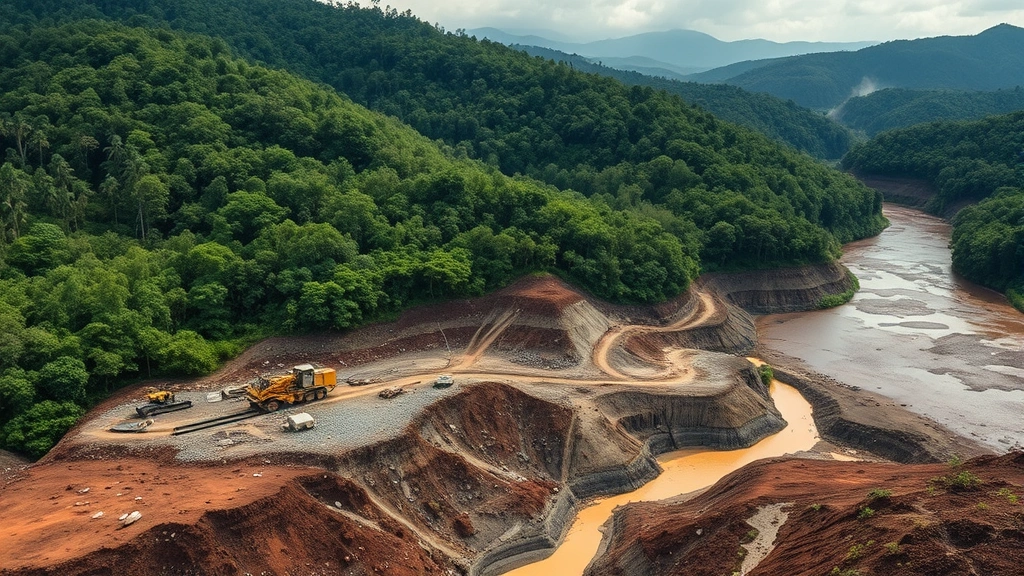
Mining Environmental Devastation
Lithium extraction represents one of the most environmentally destructive aspects of EV production, yet receives minimal attention in mainstream sustainability discussions. The primary lithium extraction method, known as brine extraction, consumes approximately 500,000 gallons of water per ton of lithium produced. In water-scarce regions like Chile’s Atacama Desert and Argentina’s Puna Plateau—which together supply over 50% of global lithium—this extraction directly competes with agricultural and drinking water supplies.
The environmental consequences extend beyond water depletion. Lithium mining operations acidify water sources, contaminate aquifers with chloride and boron compounds, and devastate local ecosystems. Indigenous communities in South America have documented ecological collapse in traditional territories, with salt flats transformed into industrial extraction zones, livestock unable to access clean water, and agricultural productivity declining sharply. These localized environmental disasters receive little consideration in lifecycle assessments conducted in wealthy nations.
Cobalt mining, concentrated primarily in the Democratic Republic of Congo, involves notorious human rights and environmental violations. Mining operations generate massive tailings impoundments containing toxic heavy metals that leach into groundwater and river systems. Artisanal mining operations, which supply approximately 20% of global cobalt, operate with virtually no environmental or safety regulations, creating ecological sacrifice zones in biodiverse regions.
Nickel mining in Indonesia and the Philippines has driven extensive deforestation and ecosystem destruction. New laterite nickel mining operations have cleared hundreds of thousands of hectares of rainforest, destroying habitat for endangered species and displacing indigenous populations. The processing of nickel ore requires sulfuric acid, generating severe air pollution and acid mine drainage that persists for decades after mining operations cease.
Manufacturing Emissions and Carbon Debt
The carbon intensity of EV production creates what economists call an “environmental debt” that vehicles must repay through years of cleaner operation. Research from MIT and other institutions indicates that producing a mid-size EV generates 8-10 metric tons of CO2 equivalent emissions—roughly 50-70% more than manufacturing an equivalent internal combustion vehicle. This substantial carbon premium must be offset before an EV provides net environmental benefits.
The payback period—the time required for an EV to offset its manufacturing emissions through reduced operational emissions—varies from 1-3 years in regions with clean electricity grids to 8-10+ years in coal-dependent regions. For vehicles with short operational lifespans or low annual mileage, the payback period may extend beyond the vehicle’s useful life, meaning the environmental investment never generates positive returns.
Manufacturing location significantly influences production emissions. EVs manufactured in countries with coal-heavy electricity grids (particularly China and India, which produce approximately 60% of global EV battery capacity) carry substantially higher embedded carbon than vehicles produced in regions with renewable-rich grids. Yet market forces and cost considerations push battery production toward regions with lowest labor costs rather than lowest-carbon electricity, creating a perverse incentive structure.
The scaling challenges present additional complications. Rapid EV production expansion requires construction of new battery manufacturing facilities, mining operations, and supply chain infrastructure. Each facility represents embodied carbon and environmental impact that must be amortized across the vehicles it produces. The environmental cost of this industrial expansion is frequently excluded from analyses that focus narrowly on per-vehicle metrics.
Rare Earth Element Supply Chains
While lithium, cobalt, and nickel receive most attention, EV motors and electronics require numerous rare earth elements and specialty metals with equally problematic supply chains. Neodymium and dysprosium, essential components of permanent magnet motors, are mined almost exclusively in China, where environmental regulations remain relatively lax and mining operations generate substantial pollution.
Rare earth element processing involves toxic chemical extraction using strong acids and organic solvents. China’s rare earth processing industry has created environmental wastelands with radioactive tailings, fluorine-contaminated water supplies, and severe air pollution affecting millions of residents. By sourcing rare earth elements for EV motors, wealthy nations effectively export their environmental problems to developing countries with weaker regulatory frameworks.
The geopolitical concentration of rare earth supplies creates additional concerns. Over 70% of rare earth element refining capacity exists in China, giving that nation extraordinary leverage over EV supply chains. This dependency raises questions about the genuine sustainability of a transportation system relying on supply chains controlled by a single nation, particularly given potential trade tensions and supply disruptions.
Alternative motor technologies using ferrite magnets instead of rare earth permanent magnets exist but remain less efficient and more expensive. The economic incentives pushing manufacturers toward rare earth permanent magnet motors override environmental considerations, demonstrating how market mechanisms can prioritize cost over ecological impact.
Water Consumption and Ecosystem Impact
The water footprint of EV production and battery manufacturing remains substantially underestimated in mainstream analyses. Beyond lithium extraction’s direct water consumption, battery cell manufacturing requires enormous quantities of ultrapure water for electrolyte preparation and cell assembly. A single EV battery pack requires approximately 2,500-3,500 liters of water during manufacturing.
In water-stressed regions, this consumption creates direct competition with agricultural and domestic water supplies. Battery manufacturing facilities constructed in arid or semi-arid regions impose environmental costs on local ecosystems and communities. Groundwater depletion reduces aquifer levels, degrades wetland ecosystems, and threatens species dependent on specific water availability levels.
The thermal pollution generated by battery manufacturing facilities also deserves consideration. Large quantities of cooling water are required to manage manufacturing heat, and this heated water returned to local waterways can degrade aquatic ecosystems. Temperature-sensitive species face habitat degradation even in regions where total water availability isn’t constrained.
Mining operations for cobalt, nickel, and lithium generate acid mine drainage that persists for decades after mining ceases. These acidic, metal-laden waters contaminate river systems and groundwater aquifers, creating long-term ecosystem damage and public health impacts in mining regions. The liability for this environmental damage is frequently externalized, with costs borne by affected communities rather than EV manufacturers or consumers.
Battery Recycling Infrastructure Gaps
The promise of battery recycling represents a critical assumption in lifecycle assessments suggesting EVs will become increasingly sustainable as recycling infrastructure matures. However, current global battery recycling capacity remains minimal, with only 5-10% of lithium-ion batteries currently being recycled. Recycling facilities remain concentrated in a few developed nations, while the vast majority of discarded batteries end up in landfills or informal recycling operations in developing countries.
Lithium-ion battery recycling is technically complex and economically marginal. Current recycling processes recover approximately 90-95% of cobalt and nickel but only 50-70% of lithium, meaning recycled materials cannot fully replace virgin extraction. The energy requirements for battery recycling are substantial, with some recycling processes consuming 15-20 megajoules per kilogram of recovered material.
Battery second-life applications—reusing aged EV batteries in stationary energy storage systems—represent a promising approach to extending material value. However, this strategy merely delays recycling rather than eliminating the ultimate need to process batteries into their constituent materials. Second-life applications also face regulatory uncertainties and safety questions that have slowed adoption.
The informal recycling sector, which handles an estimated 60-70% of global lithium-ion battery waste, operates with virtually no environmental controls. Workers extract valuable materials using primitive chemical processes that generate severe air and water pollution, exposing workers and surrounding communities to toxic substances. This hidden environmental cost rarely appears in sustainability analyses.
Infrastructure Development Costs
The transition to electric vehicle transportation requires substantial infrastructure investments with their own environmental costs. Charging networks, electrical grid upgrades, smart metering systems, and vehicle-to-grid technology all require manufacturing and installation with associated environmental impacts. A comprehensive charging network requires thousands of new electrical substations, transmission lines, and distribution infrastructure.
The embodied carbon in electrical infrastructure is substantial. Copper, aluminum, and concrete used in grid expansion all require energy-intensive manufacturing. The environmental cost of upgrading electrical grids to handle millions of simultaneous vehicle charging events is frequently excluded from EV environmental analyses, yet represents a significant burden.
Road infrastructure modifications required to support EV adoption also carry environmental costs. Dedicated charging lanes, smart traffic management systems, and road surface modifications all require resource extraction and manufacturing. The cumulative environmental impact of this infrastructure transition deserves serious consideration in comprehensive lifecycle assessments.
Additionally, the planned obsolescence of existing internal combustion vehicle infrastructure creates transitional inefficiencies. Gas stations, service facilities, and supply chains built over a century cannot be instantly repurposed. The environmental cost of maintaining parallel infrastructure systems during the transition period is rarely quantified but remains substantial.
Economic Inequality and Resource Distribution
The environmental justice dimensions of EV adoption reveal troubling distributional consequences. Mining and battery manufacturing impose concentrated environmental damages on developing nations and indigenous communities, while environmental benefits accrue primarily to wealthy consumers in developed nations. This pattern replicates historical patterns of environmental colonialism where wealthy nations externalize ecological costs to poorer regions.
Access to critical minerals for EV production is geographically concentrated, creating economic rent-seeking opportunities for nations controlling supply. This concentration of resource wealth in a few countries raises questions about whether EV transitions genuinely represent sustainable development or merely redistribute environmental burdens globally. The United Nations Environment Programme has documented how mineral extraction for clean energy technologies disproportionately impacts developing nations.
The affordability of EVs remains a critical barrier, with purchase prices substantially exceeding conventional vehicles even after subsidies. This pricing structure ensures that EV adoption concentrates among wealthy populations, raising questions about whether technology transitions that primarily benefit the affluent should be considered sustainable. The environmental gains achieved through EV adoption by wealthy consumers may be offset by increased consumption and resource use enabled by wealth concentration.
Labor conditions in mining and battery manufacturing sectors remain concerning, with workers in developing nations exposed to hazardous conditions. The environmental and social costs of resource extraction are effectively subsidized by workers and communities bearing health and environmental burdens for wages insufficient to compensate for these harms.
Lifecycle Carbon Payback Periods
Comprehensive lifecycle analyses comparing EVs to efficient internal combustion vehicles reveal that environmental advantages are far narrower than commonly claimed. In regions with coal-dependent electricity grids, some EV models may never achieve meaningful carbon advantages over conventional vehicles during their operational lifetime. Even in regions with moderately clean grids, carbon payback periods of 5-8 years are common, meaning only vehicles operating well beyond typical replacement cycles generate substantial net environmental benefits.
The carbon payback calculation becomes even more unfavorable when considering that increasing EV production requires concurrent expansion of mining and manufacturing capacity. The environmental cost of building industrial infrastructure to support mass EV adoption must be included in comprehensive lifecycle assessments rather than treated as fixed background conditions.
Future grid decarbonization scenarios significantly influence EV environmental projections. Analyses assuming rapid grid decarbonization show favorable EV environmental outcomes, while analyses using more conservative grid transformation assumptions show minimal advantages. The uncertainty inherent in these projections should inspire humility regarding confident EV environmental claims.
Alternative approaches to reducing transportation emissions—including public transit investment, urban planning emphasizing walkability, vehicle electrification of high-utilization fleets, and modal shifts toward rail transportation—may offer superior environmental outcomes per dollar invested. Yet policy focus on individual EV adoption often crowds out consideration of potentially more effective strategies for transportation decarbonization.
The rebound effect—where lower operating costs of EVs encourage increased driving—further complicates lifecycle analysis. If EV adoption enables increased vehicle miles traveled, operational emission reductions may be partially offset by increased fuel consumption. This behavioral response to lower-cost transportation deserves incorporation into environmental impact assessments.
Understanding the types of environments affected by EV production reveals that impacts extend across mining regions, manufacturing zones, and electricity generation areas. The geographic dispersion of environmental damages makes their aggregation into simple lifecycle metrics challenging, yet necessary for honest environmental accounting.
FAQ
Are electric vehicles actually better for the environment than gas cars?
The answer depends critically on electricity grid composition and vehicle utilization. In regions with clean electricity grids and high annual mileage, EVs typically provide 40-70% lifecycle emission reductions compared to efficient conventional vehicles. In coal-dependent regions or for vehicles with low annual usage, environmental advantages may be minimal or nonexistent. Honest assessment requires acknowledging this geographic and usage variability rather than making universal claims.
How long does it take for an EV to offset its manufacturing emissions?
Carbon payback periods typically range from 1-3 years in regions with renewable-rich electricity grids to 8-10+ years in coal-dependent regions. This variability is rarely acknowledged in marketing materials that present uniform environmental claims. Vehicles with short operational lifespans or low annual mileage may never offset manufacturing emissions.
What are the biggest environmental problems with EV battery production?
The primary concerns include lithium extraction’s water consumption in arid regions, cobalt mining’s human rights and environmental violations, nickel mining’s ecosystem destruction, rare earth element processing pollution, and the energy-intensive manufacturing process itself. Each presents substantial environmental costs that current lifecycle assessments may underestimate.
Can battery recycling solve EV environmental problems?
Battery recycling can reduce future mining pressure and recover valuable materials, but current global recycling capacity remains minimal and recycling processes recover only partial quantities of critical minerals. Recycling cannot substitute entirely for virgin extraction, meaning it represents an important but insufficient solution. Additionally, informal recycling in developing nations creates severe pollution.
Should I buy an electric vehicle from an environmental perspective?
Personal EV purchase decisions depend on your specific circumstances: electricity grid composition in your region, annual mileage, vehicle replacement timeline, and available alternatives including public transit and vehicle sharing. In regions with clean electricity grids and high annual mileage, EVs typically provide genuine environmental benefits. In other contexts, alternative approaches to reducing transportation emissions may prove more effective.
What are better alternatives to individual EV adoption?
Public transit investment, urban planning emphasizing walkability and density, vehicle electrification of high-utilization commercial fleets, rail transportation expansion, and behavioral changes reducing transportation demand all offer potentially superior environmental outcomes. These approaches address transportation emissions without the manufacturing and resource extraction burdens of mass EV adoption.
How does EV environmental impact compare to renewable energy development?
While both technologies require critical mineral extraction, renewable energy infrastructure typically has longer operational lifespans (25-40 years) and lower manufacturing intensity per unit of energy delivered compared to EVs. Strategic prioritization of renewable energy and grid decarbonization may provide superior environmental returns than concurrent mass EV adoption.


